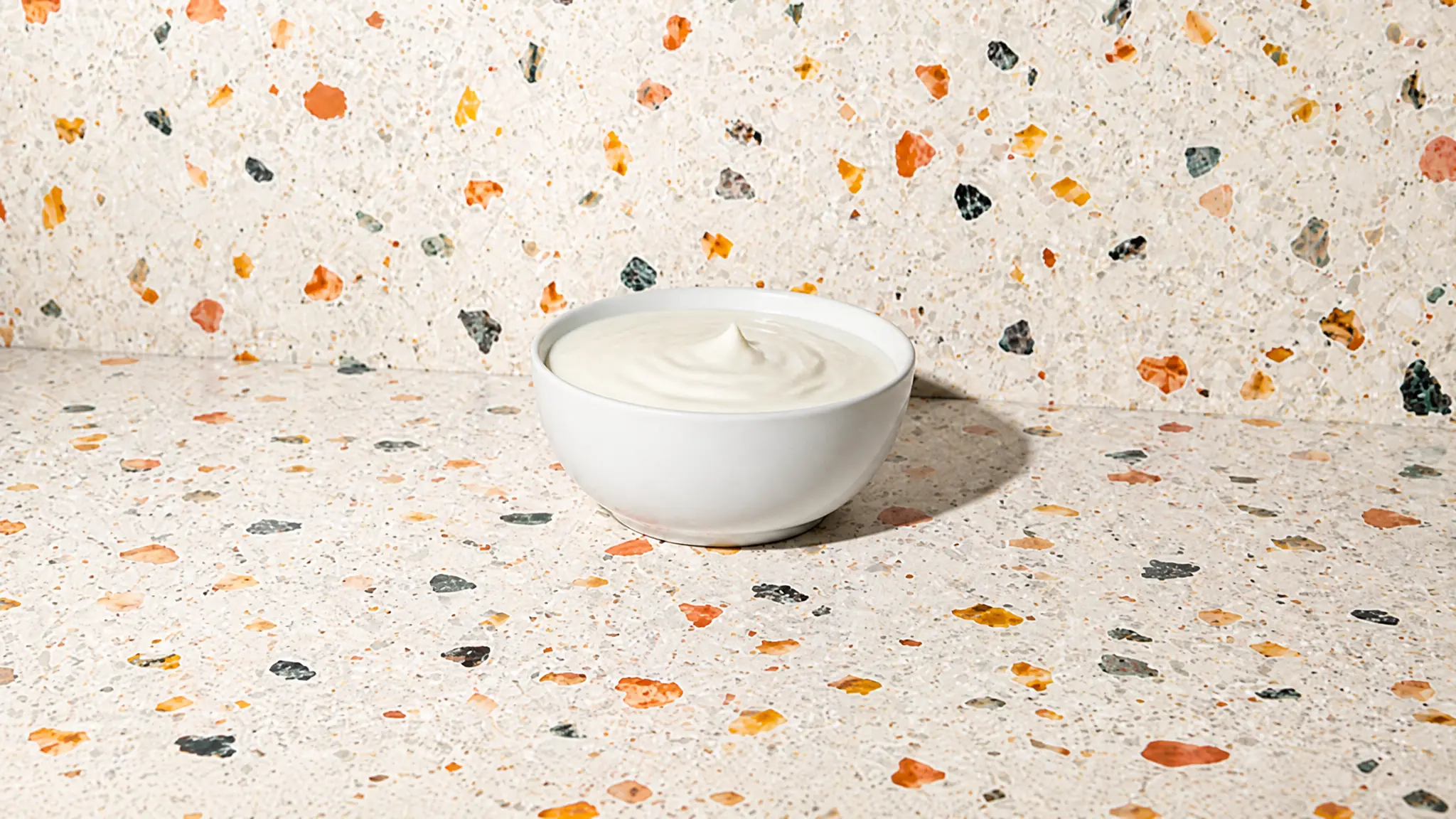
Almond Yogurt
Treenut
Last updated July 5, 2026. The Tummi Food Team maintains this Can I Feed This safety guide guide. Supporting links appear in Sources when available.



Clinically reviewed by Andria Procopio and Arefa Mohamed
Direct answer
Can babies eat Almond Yogurt?
Yes, almond yogurt can be introduced around 6 months, once baby is ready for solids, considering allergy precautions and appropriate texture.
- Serve Age6+months
Most babies start solids around 6 months once they show readiness signs. Match the texture and serving size to your baby's skills.
- Allergens
Almond Yogurt is flagged for tree nut. Introduce common allergens in a baby-safe form and follow your clinician's advice if your baby is higher risk.
- Choking Risk123451
Lower choking risk when served in the right texture. Always supervise meals and adjust the shape for your baby.
This guide is for everyday food prep questions. Ask your pediatrician about medical concerns, feeding delays, allergy plans, or serious reactions.
How Do You Serve Almond Yogurt?
How to serve Almond Yogurt to babies 6 months and older
- 1Spoon a small amount (about 1–2 teaspoons) of almond yogurt into a shallow bowl or onto a pre-loaded, shallow spoon so it’s easy for the baby to access and explore.
- 2Offer the spoon or bowl at midline and hold the spoon lightly in the air at first so your baby can reach and grasp the handle, supporting hand–eye coordination.
- 3Start with a small taste to check tolerance and digestion. Watch closely for any signs of allergic reaction and wait a few days before offering another new food.
- 4Use plain almond yogurt as a mild base—mix in a small amount of mashed banana, pear, or a smooth savory puree to introduce new flavors and textures.
How to serve Almond Yogurt to babies 9 months and older
- 1Put a small amount of yogurt in a shallow, stable bowl and set a pre-loaded toddler spoon on the bowl edge so it's easy to grab.
- 2Offer 2–3 spoons: one pre-loaded on the bowl edge, one for you to hand over, and one the baby can use with fingers to keep them engaged and offer choices.
- 3Alternate letting the baby use fingers, a spoon you hand them, or the spoon on the bowl so they practice different self-feeding skills.
- 4Prepare the setup: use thicker yogurt to reduce spills and offer small portions (about 1–2 tablespoons). Keep a secure high chair and wipes within reach.
How to serve Almond Yogurt to babies 12 months and older
- 1Pre-load a small spoon with a scoop of almond-yogurt and rest it on the bowl rim with the handle pointed toward the child so they can easily reach it.
- 2Use a thicker yogurt consistency to make scooping easier and check it's cool before serving.
- 3Seat the child close and stable, protect clothing, then model one scoop and encourage them to pick up the spoon; stay close and supervise every bite.
- 4Serve small amounts, expect mess, and praise attempts—short, regular practice builds independent utensil skills.
Is Almond Yogurt a Common Allergen?
Contains almonds (tree nuts) and is not safe for anyone with a tree-nut allergy. Many almond yogurts are dairy-free, but formulations vary—always check the ingredient list for milk or whey and verify 'dairy-free' labeling. Products may be made in facilities that handle other allergens (e.g., soy, sesame, gluten), so look for “may contain” or cross-contact warnings. For infants or children with known allergies, consult your pediatrician before serving.
Is Almond Yogurt a Choking Hazard?
Very Low Choking Risk
Almond yogurt is soft and generally presents a low choking risk for babies, but any food can pose a risk depending on your child’s developmental stage. Stay attentive and within arm’s reach during feeds, watch for signs that your baby is struggling to chew or swallow, and minimize distractions during mealtimes. Make sure you and other caregivers know infant choking first aid.
Have More Questions?
It depends. You can store almond yogurt in the refrigerator for up to 24-48 hours after opening, but check the expiration date and smell it before serving to ensure freshness.
Yes. You can freeze almond yogurt in an airtight container for up to 1-2 months, but expect some texture changes upon thawing. Thaw in the refrigerator before serving, and stir well.
Yes. When choosing almond yogurt for your baby, opt for organic varieties when possible, but both organic and conventional almond yogurts can be safe if they are unsweetened, fortified, and free from added sugars.
Yes. Combining almond yogurt with pureed fruits or cereals can introduce new flavors and textures gradually, but always ensure total allergen exposure is appropriate according to your pediatrician’s advice.
It varies. Typical portion sizes for babies start with 1-2 tablespoons of almond yogurt at a time, gradually increasing based on your child's appetite and feeding cues.
Save Almond Yogurt to your food log
Track foods, reactions, and prep notes in Tummi when you want to keep your baby's feeding history in one place.
Sources
- HealthyChildren.org — Switching to Solid Foods healthychildren.org
- U.S. Food and Drug Administration — Major Food Allergens fda.gov
- NHS — Foods to Avoid for Babies / Weaning and Feeding nhs.uk
- Encyclopaedia Britannica — Almond milk britannica.com
- Harvard T.H. Chan School of Public Health — Plant-based milk alternatives hsph.harvard.edu
What Other Treenut Can Babies Eat?
See all →


Source-Linked Guidance
See the evidence behind the guide.
Food guides show direct links to public-health guidance and research when supporting references are available. Source inclusion does not imply endorsement.
 Centers for Disease Control and Prevention
Developmental milestones, nutrition guidelines, and allergen introduction timelines.
 American Academy of Pediatrics
Evidence-based feeding recommendations from the leading pediatric authority.
 National Institutes of Health
Peer-reviewed research on infant nutrition, allergies, and food safety.