

Adzuki Bean
Legume
Last updated July 5, 2026. The Tummi Food Team maintains this Can I Feed This safety guide guide. Supporting links appear in Sources when available.



Clinically reviewed by Andria Procopio and Arefa Mohamed
Direct answer
Can babies eat Adzuki Bean?
Yes, adzuki beans can be introduced around 6 months when cooked and mashed to prevent choking.
- Serve Age6+months
Most babies start solids around 6 months once they show readiness signs. Match the texture and serving size to your baby's skills.
- No Allergens
Adzuki Bean is not flagged as one of the major allergens tracked in this database. Still watch your baby closely when serving any new food.
- Choking Risk123454
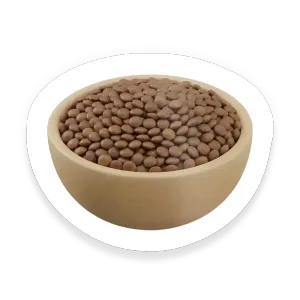
Higher choking risk. Watch the prep steps closely, especially because this food can be small and round and slippery.
This guide is for everyday food prep questions. Ask your pediatrician about medical concerns, feeding delays, allergy plans, or serious reactions.
How Do You Serve Adzuki Bean?
How to serve Adzuki Bean to babies 6 months and older
- 1Rinse and soak dried adzuki beans overnight, then simmer until very soft (about 45–60 minutes); reserve a little cooking liquid.
- 2Blend the cooked beans to a smooth, scoopable paste, adding reserved cooking liquid, breast milk, or formula a tablespoon at a time until spoonable.
- 3Offer small tastes — place a tiny spoonful on a preloaded spoon or spread a thin layer on a rice cake or toast; you can also stir the paste into congee, mashed vegetables, yogurt, or dal to mix textures.
- 4Start with 1–2 teaspoons and wait 2–3 days after introduction to watch for any reactions. Increase gradually as the baby tolerates it.
- 5Keep it plain (no added sugar or salt) and make the paste very smooth to reduce choking risk.
How to serve Adzuki Bean to babies 9 months and older
- 1Cook adzuki beans until they are very soft and easily mashable between your fingers — this ensures a tender, safe texture for self-feeding.
- 2Offer whole beans only after cooking; before serving, gently flatten each bean between your thumb and finger to make them thinner and reduce choking risk.
- 3Serve in small, manageable amounts (start with about a teaspoon) or spread thinly as a dip so pieces are easy to pick up; always supervise during feeding.
- 4If unsure, continue offering mashed or pureed beans mixed into other soft foods until your child shows reliable chewing and handling skills; cool to lukewarm and do not add salt or sugar.
How to serve Adzuki Bean to babies 12 months and older
- 1Soak dried adzuki beans 6–8 hours (or rinse canned beans), then cook until very soft so each bean mashes easily with a fork.
- 2Drain and cool beans completely before serving and offer small spoonfuls to lower choking risk.
- 3Serve whole beans if your child chews well; otherwise gently mash or flatten individual beans on the plate to make them easier to pick up and swallow.
- 4Pair beans with a vitamin C–rich food (e.g., mashed fruit, tomato, or bell pepper) to boost iron absorption and add familiar flavor.
Is Adzuki Bean a Common Allergen?
Adzuki beans are legumes and true allergies are uncommon but have been reported in case reports. Cross-reactivity between legumes (peanut, soy, other beans) varies, so having a peanut or soy allergy does not automatically mean a reaction to adzuki beans. If a child has a known peanut/soy/legume allergy, consult their allergy specialist before introducing adzuki beans and introduce them cautiously under supervision. Seek immediate medical care for any signs of a severe reaction (hives, swelling, vomiting, difficulty breathing) and carry prescribed epinephrine if advised.
Is Adzuki Bean a Choking Hazard?
Elevated Choking Risk
Adzuki beans are small, rounded, and can be firm, which increases their choking risk for infants. Be vigilant at every bite—stay within arm’s reach, minimize distractions during meals, and watch closely for signs of gagging or distress. If you have concerns about textures or safety, consult your pediatrician and consider learning infant CPR so you’re prepared for emergencies.
Have More Questions?
Yes. Adzuki beans can be introduced to babies around 6 months old when they are ready for solids, but always ensure they are cooked and mashed appropriately.
Yes. Adzuki beans are nutritious, providing essential nutrients that support overall baby development, including supporting gut health, immune function, and growth.
No. Adzuki beans are not a common allergen, though some children allergic to other legumes might react. Always start with small amounts and monitor for reactions.
Yes. Due to their small size and firm texture when undercooked, adzuki beans can pose a choking risk to babies. Proper cooking and mashed serving are recommended.
Yes. Canned adzuki beans are safe for babies, but check for added sugars. Serve plain beans to ensure they are free from additives and prepared appropriately.
Save Adzuki Bean to your food log
Track foods, reactions, and prep notes in Tummi when you want to keep your baby's feeding history in one place.
Sources
- Azuki bean allergy in a Japanese child: A case report doi.org
- Managing Cross-Reactivity in Those with Peanut Allergy doi.org
- Cross-reactivity of peanut allergens doi.org
- Oral Allergy Syndrome: An Update for Stomatologists doi.org
- Oral allergy syndrome (NHS) nhs.uk
- Effect of household cooking methods on nutritional and anti nutritional factors in green cowpea pods doi.org
- Phytic acid, in vitro protein digestibility, dietary fiber, and minerals of pulses as influenced by processing methods doi.org
- Renal lithiasis and nutrition doi.org
- Are Anti-Nutrients Harmful? (Harvard T.H. Chan School of Public Health) hsph.harvard.edu
- Soaking the common bean reduced contents of raffinose-type oligosaccharides doi.org
- Impact of preparation and cooking on nutritional quality of vegetables and legumes doi.org
- Nutritional Composition and Bioactive Content of Legumes (Nutrients) doi.org
What Other Legume Can Babies Eat?
See all →






Source-Linked Guidance
See the evidence behind the guide.
Food guides show direct links to public-health guidance and research when supporting references are available. Source inclusion does not imply endorsement.
 Centers for Disease Control and Prevention
Developmental milestones, nutrition guidelines, and allergen introduction timelines.
 American Academy of Pediatrics
Evidence-based feeding recommendations from the leading pediatric authority.
 National Institutes of Health
Peer-reviewed research on infant nutrition, allergies, and food safety.