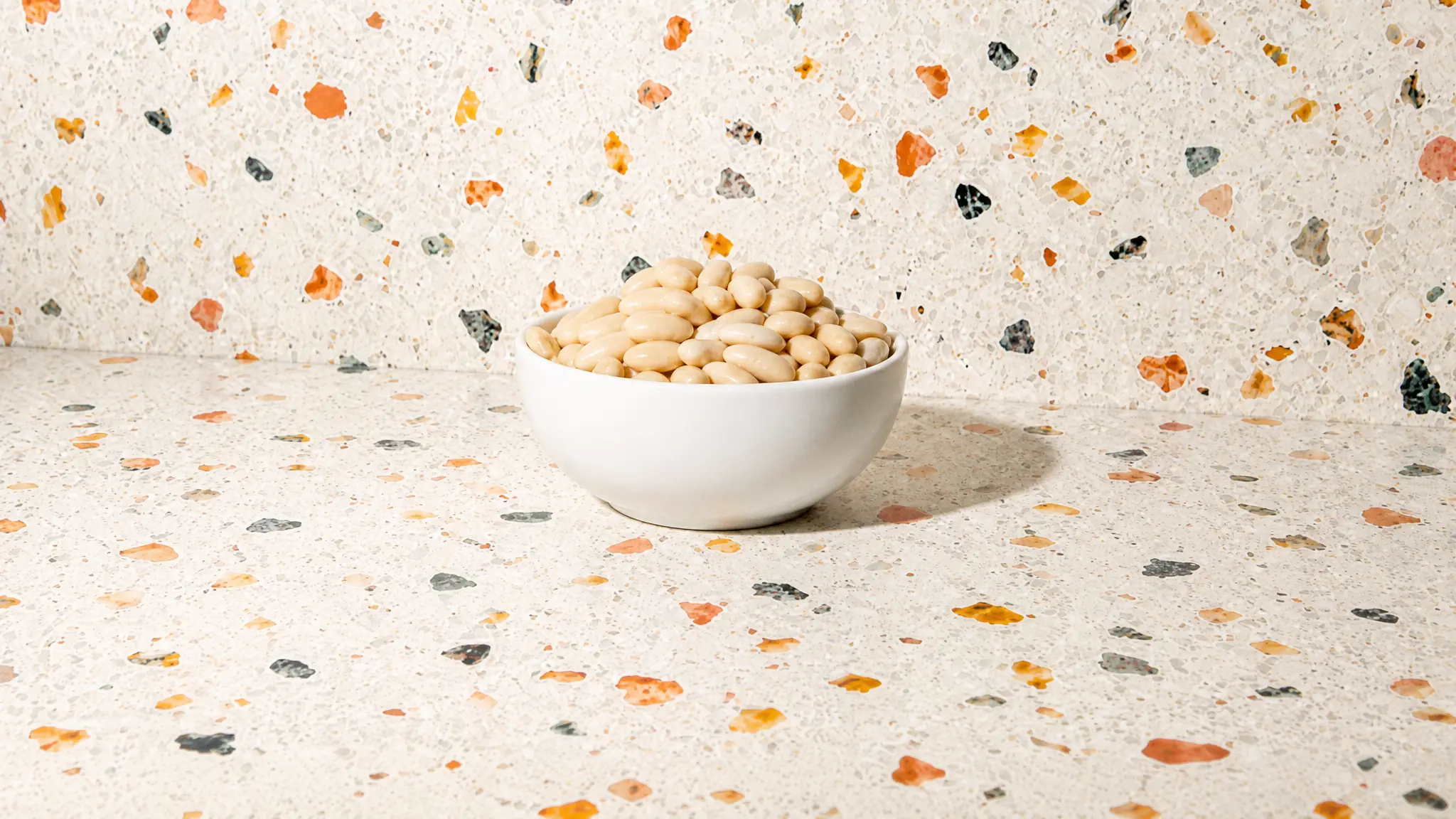

Cannellini Bean
Legume
Last updated July 5, 2026. The Tummi Food Team maintains this Can I Feed This safety guide guide. Supporting links appear in Sources when available.



Clinically reviewed by Andria Procopio and Arefa Mohamed
Direct answer
Can babies eat Cannellini Bean?
Yes, cannellini beans can be introduced around 6 months of age when baby is ready to start solids, prepared until soft and mashed or pureed.
- Serve Age6+months
Most babies start solids around 6 months once they show readiness signs. Match the texture and serving size to your baby's skills.
- No Allergens
Cannellini Bean is not flagged as one of the major allergens tracked in this database. Still watch your baby closely when serving any new food.
- Choking Risk123452
Lower choking risk when served in the right texture. Always supervise meals and adjust the shape for your baby.
This guide is for everyday food prep questions. Ask your pediatrician about medical concerns, feeding delays, allergy plans, or serious reactions.
How Do You Serve Cannellini Bean?
How to serve Cannellini Bean to babies 6 months and older
- 1Drain and rinse canned or fully cooked cannellini beans, then mash or puree to a smooth or slightly textured paste so the baby can practice scooping.
- 2Thin the mash with breast milk, formula, olive oil, a small amount of melted butter, or plain yogurt until it’s soft and scoopable.
- 3Serve small portions on a teething rusk or toast, or stir into mashed vegetables or porridge; warm slightly and test the temperature before feeding.
- 4Start with tiny amounts and increase slowly while watching digestion and any reactions; avoid added salt or sugar and ensure the texture is soft to reduce choking risk.
How to serve Cannellini Bean to babies 9 months and older
- 1Cook cannellini beans until very soft — simmer until skins split and beans mash easily between two fingers.
- 2For finger foods, gently flatten whole beans so each piece is easy to pick up but soft enough to squish with the pincer grasp; keep pieces about pea-sized or slightly larger.
- 3Mash or puree beans to a smooth or slightly textured consistency for earlier feeders; test the texture by pressing between fingers to ensure there are no hard bits.
- 4Serve beans in sizes and shapes that reduce choking risk — avoid whole round pieces and keep servings thin and soft.
- 5Stay within arm’s reach and closely supervise every bite; have water and a basic first-aid plan ready if needed.
How to serve Cannellini Bean to babies 12 months and older
- 1Cook cannellini beans until they are very soft and can be easily mashed between your fingers.
- 2Drain, rinse, and let beans cool to lukewarm; serve in small piles or mixed into family dishes to keep portions manageable.
- 3If skins remain firm, slightly mash or press some beans so they split — this makes them easier to pick up and swallow.
- 4Place a child-sized spoon or fork nearby and model spearing or scooping, supervising closely and offering help when needed.
Is Cannellini Bean a Common Allergen?
Cannellini beans are a white bean (legume) and are not among the common top‑9 food allergens for most people. People with known legume allergies (including to peanuts or soy) can occasionally react to other beans, so exercise caution if your child has a peanut or soy allergy. Processed or canned beans may have cross‑contact with other allergens—always check labels and ingredient statements. For infants and young children, introduce cooked/pureed beans in small amounts and watch for any signs of allergic reaction.
Is Cannellini Bean a Choking Hazard?
Low Choking Risk
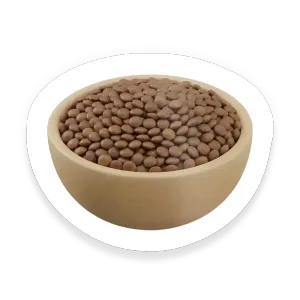
Cannellini beans are small and rounded, so they can pose a notable choking risk for infants and young toddlers. When introducing them, stay within arm’s reach and closely watch for signs of choking — sudden coughing, gagging, difficulty breathing, or inability to make noise. Know basic infant choking first aid and be prepared to act quickly if needed.
Have More Questions?
Yes. Cannellini beans can be stored in an airtight container in the refrigerator for 3-4 days or frozen for up to 3 months, making them convenient for batch cooking and meal prep.
Yes. You can freeze pureed cannellini beans in small portions using ice cube trays, which makes thawing and serving easier for babies and toddlers.
It depends. Organic versus conventional cannellini beans have similar nutrient profiles, but organic options are grown without synthetic pesticides, which some parents prefer for their babies.
Yes. Combining cannellini beans with vitamin C-rich foods, like tomato or bell pepper, can enhance iron absorption for your baby.
It depends. Portion sizes for babies depend on their age and appetite, but generally start with 1-2 tablespoons of cooked beans, increasing gradually as tolerated.
Save Cannellini Bean to your food log
Track foods, reactions, and prep notes in Tummi when you want to keep your baby's feeding history in one place.
Sources
- Angioedema induced by inhalation of vapours from cooked white bean in a child doi.org
- Clinical features of legume allergy in children from a Mediterranean area doi.org
- Managing Cross-Reactivity in Those with Peanut Allergy doi.org
- Cross-reactivity of peanut allergens doi.org
- Oral Allergy Syndrome: An Update for Stomatologists doi.org
- Oral allergy syndrome (NHS) nhs.uk
- Bioactive constituents in pulses and their health benefits doi.org
- Effect of household cooking methods on nutritional and anti nutritional factors in green cowpea pods doi.org
- Phytic acid and related processing effects doi.org
- Renal lithiasis and nutrition doi.org
- Are Anti-Nutrients Harmful? (Harvard T.H. Chan School of Public Health) hsph.harvard.edu
- Soaking the common bean and raffinose-type oligosaccharides doi.org
What Other Legume Can Babies Eat?
See all →
Source-Linked Guidance
See the evidence behind the guide.
Food guides show direct links to public-health guidance and research when supporting references are available. Source inclusion does not imply endorsement.
 Centers for Disease Control and Prevention
Developmental milestones, nutrition guidelines, and allergen introduction timelines.
 American Academy of Pediatrics
Evidence-based feeding recommendations from the leading pediatric authority.
 National Institutes of Health
Peer-reviewed research on infant nutrition, allergies, and food safety.