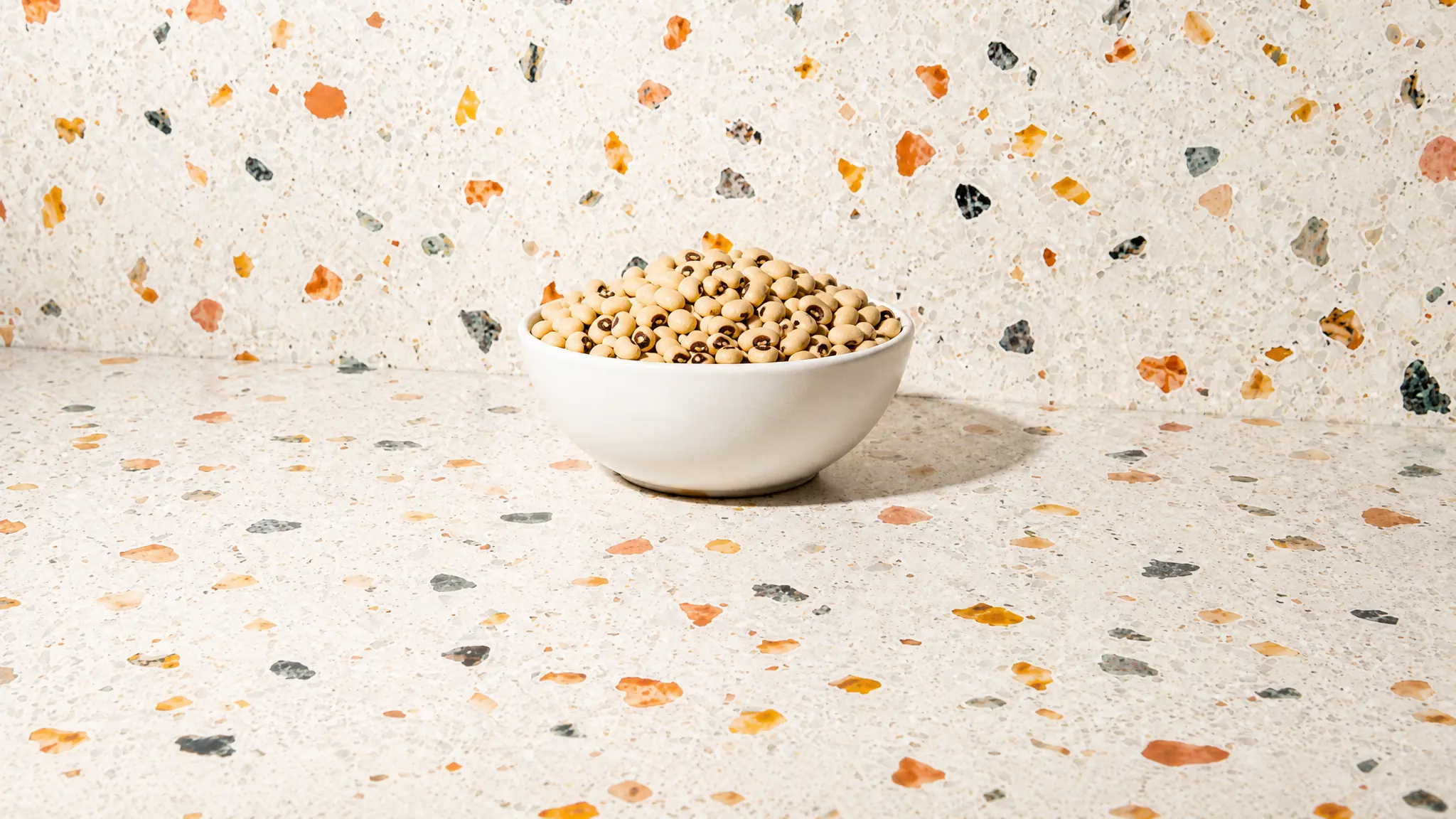
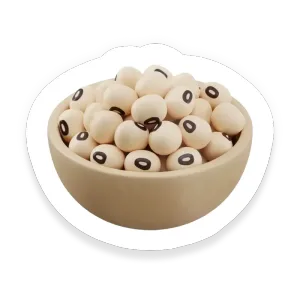
Black-Eyed Peas
Legume
Last updated July 5, 2026. The Tummi Food Team maintains this Can I Feed This safety guide guide. Supporting links appear in Sources when available.



Clinically reviewed by Andria Procopio and Arefa Mohamed
Direct answer
Can babies eat Black-Eyed Peas?
Yes, black-eyed peas can be introduced around 6 months when baby is ready to start solids, prepared in an age-appropriate, soft-cooked form.
- Serve Age6+months
Most babies start solids around 6 months once they show readiness signs. Match the texture and serving size to your baby's skills.
- No Allergens
Black-Eyed Peas is not flagged as one of the major allergens tracked in this database. Still watch your baby closely when serving any new food.
- Choking Risk123451
Lower choking risk when served in the right texture. Always supervise meals and adjust the shape for your baby.
This guide is for everyday food prep questions. Ask your pediatrician about medical concerns, feeding delays, allergy plans, or serious reactions.
How Do You Serve Black-Eyed Peas?
How to serve Black-Eyed Peas to babies 6 months and older
- 1Cook until very soft—peas should be very soft and easily mashable; simmer 45–60 minutes or pressure-cook 10–15 minutes, then drain and reserve some cooking liquid.
- 2Mash or puree to the texture your baby handles best—use a blender, food mill, or fork to make a smooth paste or leave a slight texture for self-feeding.
- 3Thin with breastmilk, formula, reserved cooking liquid, olive oil, or plain yogurt until spoonable; do not add salt or sugar.
- 4Start with small portions (about 1–2 teaspoons) and offer slowly. Introduce gradually over several days and watch for any tummy or stool changes.
How to serve Black-Eyed Peas to babies 9 months and older
- 1Offer well-cooked black-eyed peas that are gently flattened so they’re soft enough to mash between gums but still keep shape for picking.
- 2Serve a mash or thicker puree that can be scooped, dipped, or pre-loaded on a spoon to practise hand-to-mouth coordination.
- 3Hand a pre-loaded spoon for guided practice; short supervised bites help build confidence with utensils.
- 4Pair peas with soft vegetable pieces to practise picking and combining textures, and always supervise to ensure pieces are soft and size-appropriate.
How to serve Black-Eyed Peas to babies 12 months and older
- 1Cook peas until very soft—simmer 30–45 minutes or pressure-cook so they mash easily between fingers.
- 2Offer whole, well-cooked peas as finger food or stir them into shared meals; keep a portion mashed or pre-loaded on a spoon for children who prefer softer textures.
- 3Encourage utensil use by placing a spoon beside the plate and model scooping; offer pre-loaded spoonfuls only when the child needs help transitioning.
- 4Check temperature before serving, remove any hard skins or firm peas, and cut or mash portions for safer eating if peas remain intact.
Is Black-Eyed Peas a Common Allergen?
Black‑eyed peas are legumes and are not among the common top 9 allergens for most people. However, people with known peanut, pea or soy (legume) allergies can sometimes react to other legumes — cross‑reactivity is possible though uncommon. If your child has a history of peanut/soy/legume allergy, avoid black‑eyed peas unless cleared by an allergist; always read labels for added ingredients or cross‑contact warnings.
Is Black-Eyed Peas a Choking Hazard?
Very Low Choking Risk
Black‑eyed peas can pose a choking risk because they’re small, rounded, and can be firm, especially if undercooked. Stay within arm’s reach and watch closely for signs of gagging or choking—knowing infant choking first aid is important. If you’re ever unsure or notice concerning breathing or coughing, seek emergency help right away.
Have More Questions?
Yes. Black-eyed peas can be stored in an airtight container in the refrigerator for up to 3-5 days or frozen for longer storage, making them convenient for meal prep.
Yes. You can freeze pureed black-eyed peas in small portions for up to 3 months, which is helpful for planning and reducing waste.
Yes. Organic black-eyed peas are grown without synthetic pesticides or fertilizers and are a good choice if you're seeking organic options for your baby.
It depends. Black-eyed peas can be combined with various fruits and vegetables to introduce your baby to new flavors and nutrients, but should be cooked and pureed appropriately for their age.
The appropriate portion size depends on your baby's age and appetite. Start with small servings, around 1-2 tablespoons, and increase as tolerated.
Save Black-Eyed Peas to your food log
Track foods, reactions, and prep notes in Tummi when you want to keep your baby's feeding history in one place.
Sources
What Other Legume Can Babies Eat?
See all →

Source-Linked Guidance
See the evidence behind the guide.
Food guides show direct links to public-health guidance and research when supporting references are available. Source inclusion does not imply endorsement.
 Centers for Disease Control and Prevention
Developmental milestones, nutrition guidelines, and allergen introduction timelines.
 American Academy of Pediatrics
Evidence-based feeding recommendations from the leading pediatric authority.
 National Institutes of Health
Peer-reviewed research on infant nutrition, allergies, and food safety.