Can babies eat beans and lentils?
Find out how to serve beans, lentils, chickpeas, peas, and soy foods safely when your baby starts solids.
27 foods
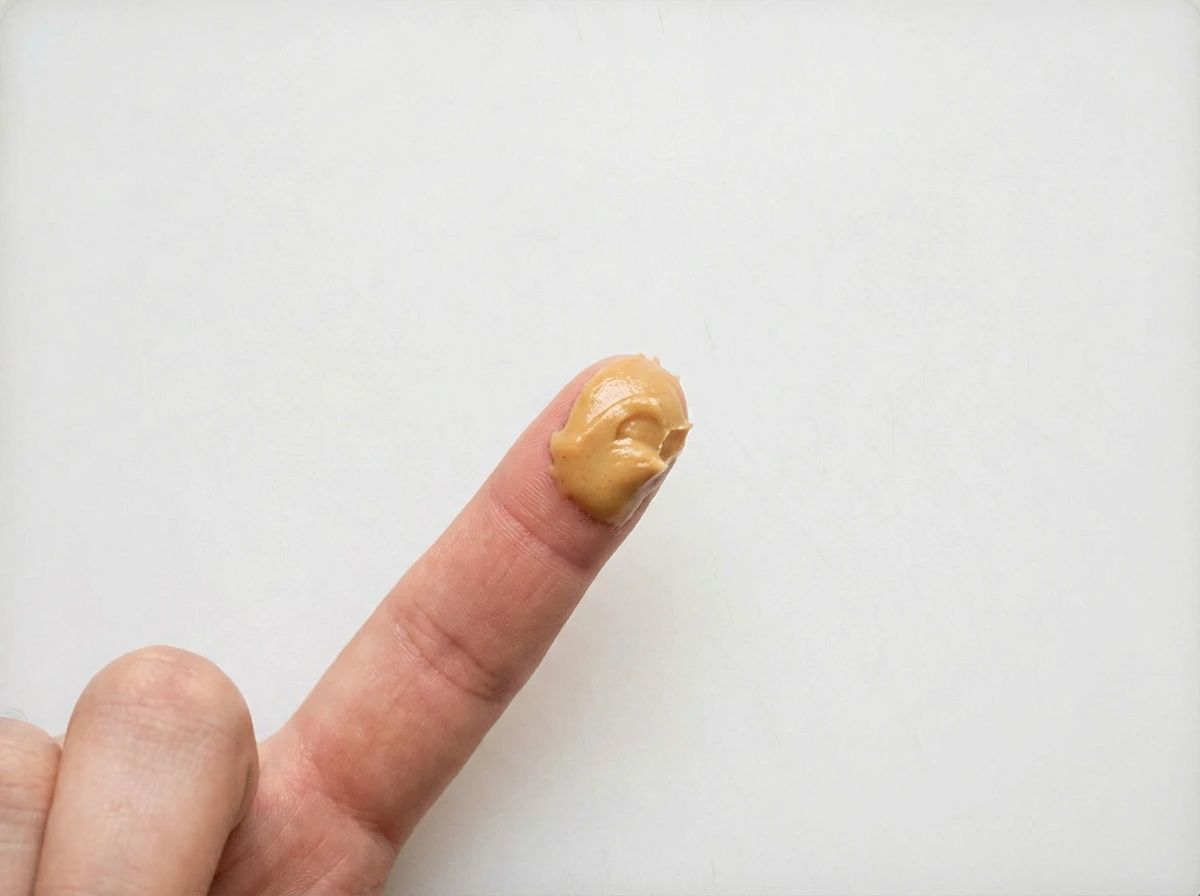
Peanut & Peanut Butter
Legume
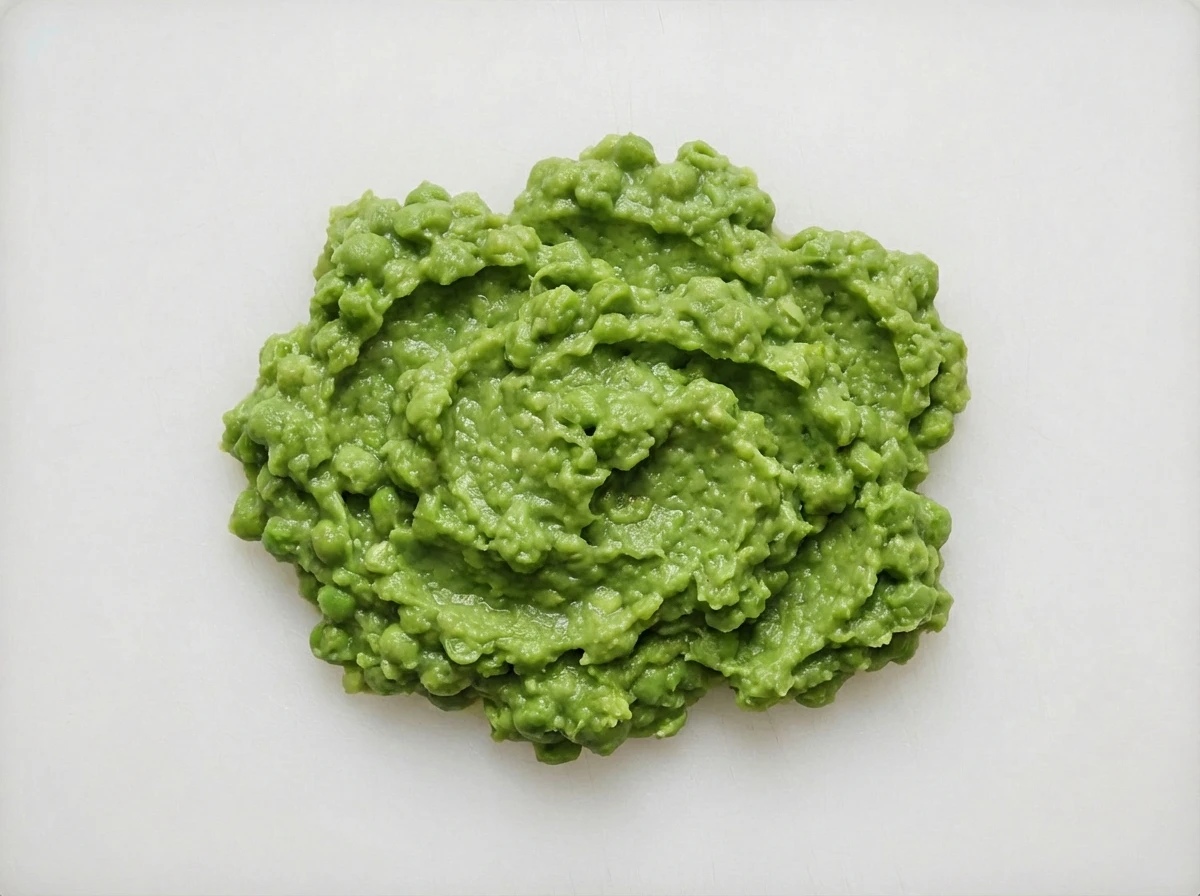
Peas (Garden)
Legume
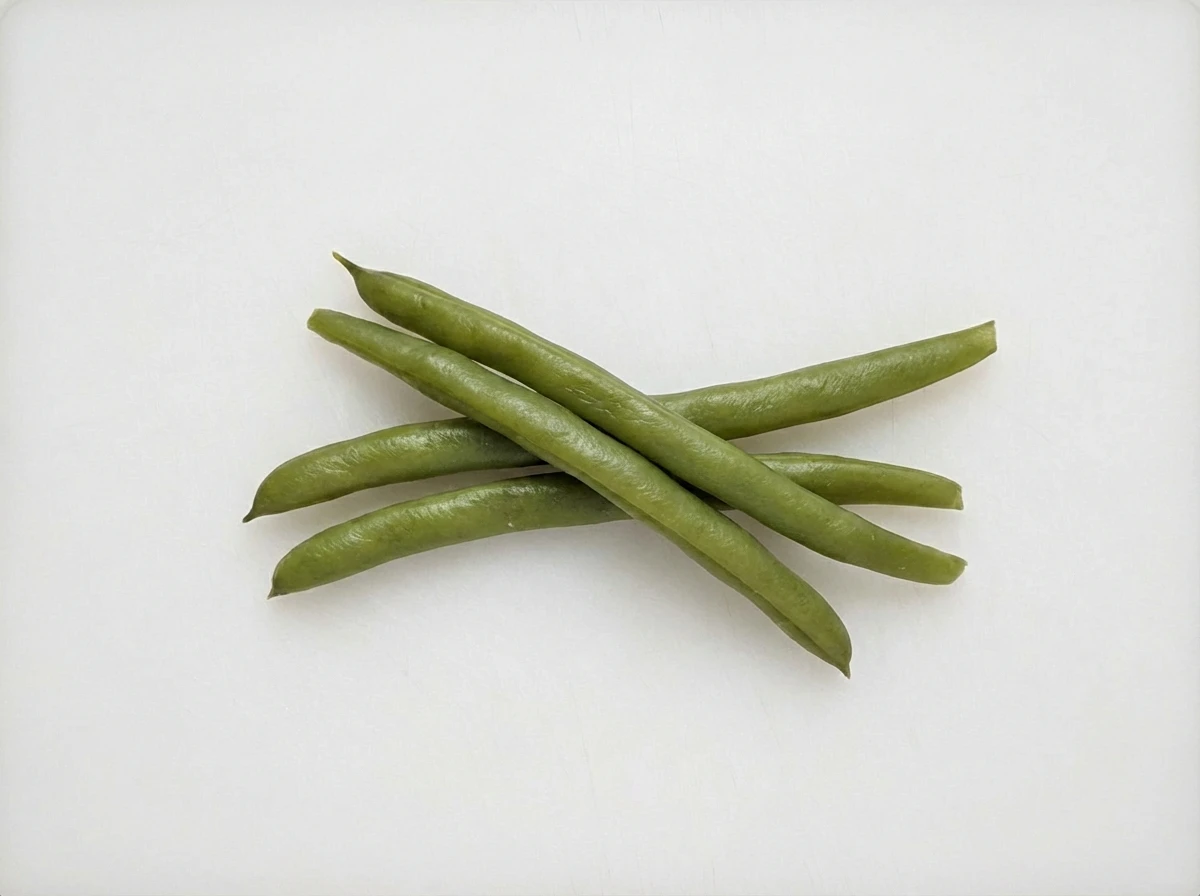
Green Beans
Legume
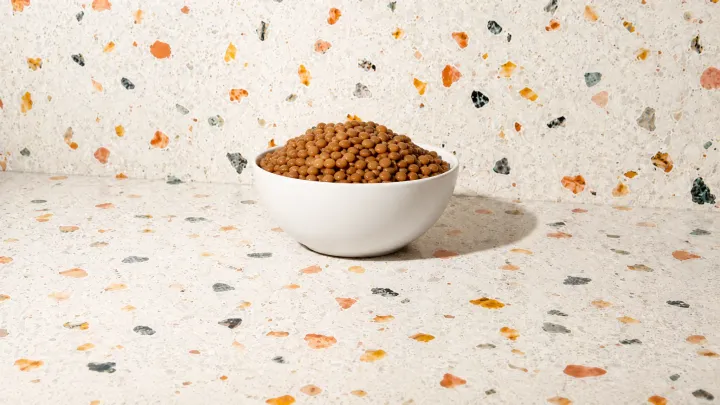
Lentil
Legume
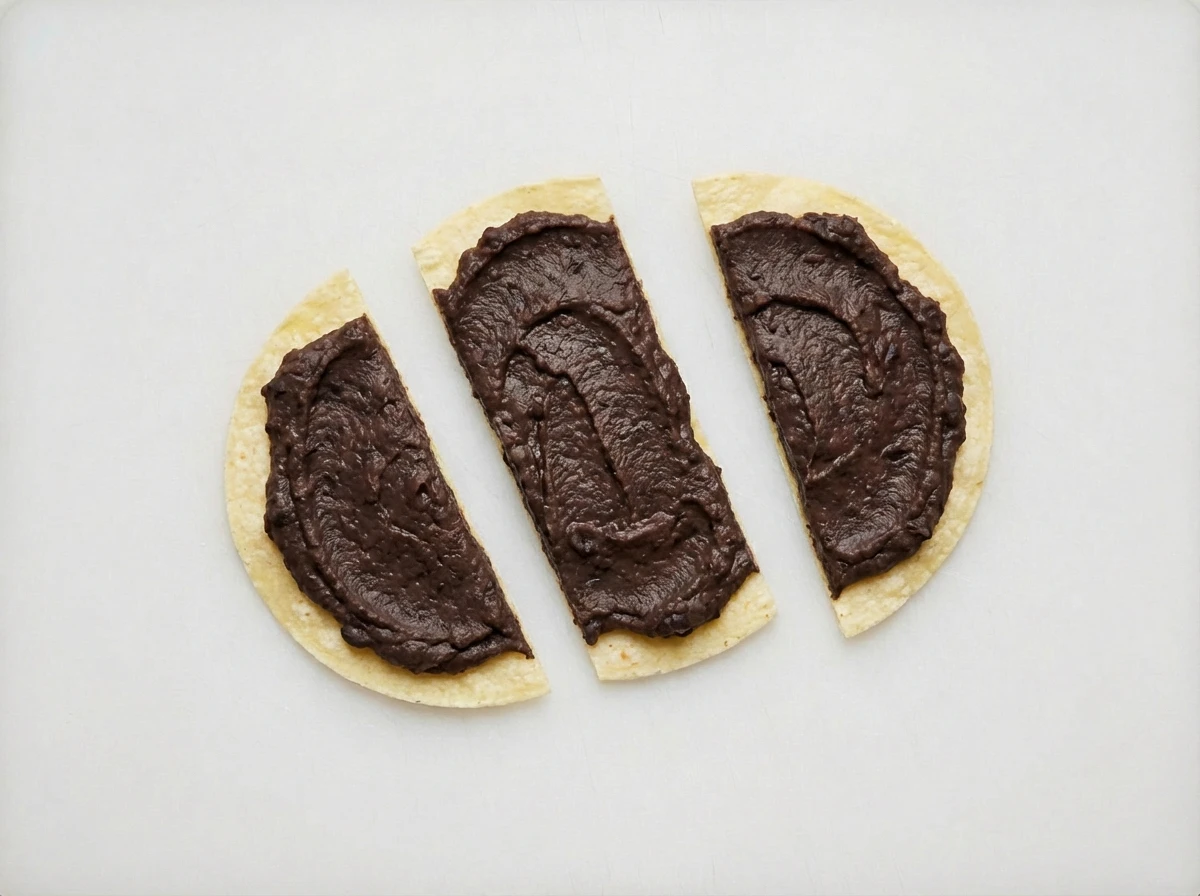
Black Beans
Legume
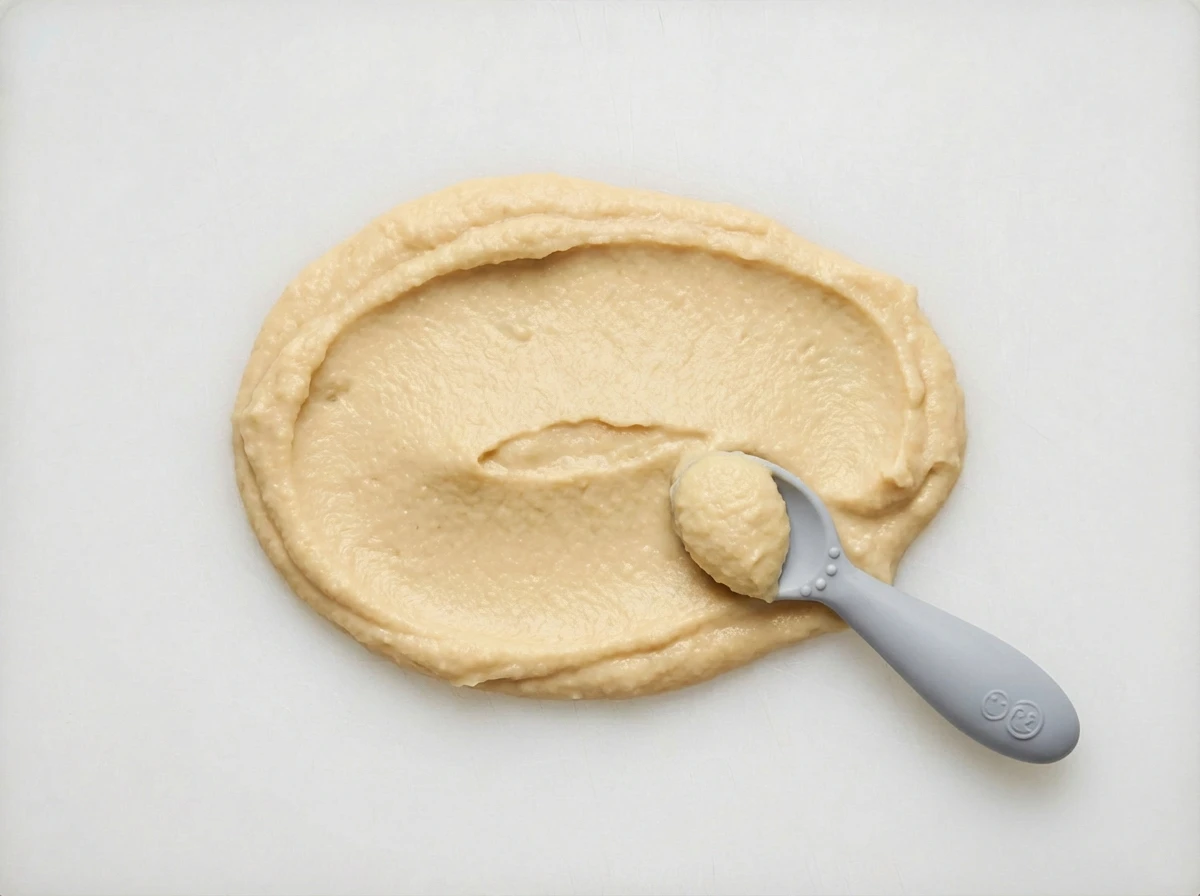
Chickpea
Legume
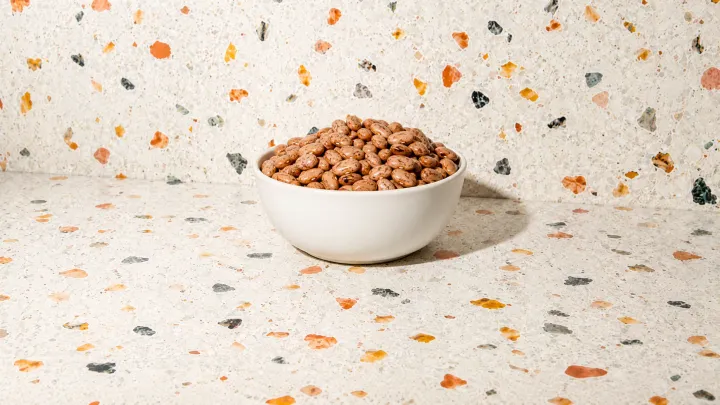
Pinto Bean
Legume
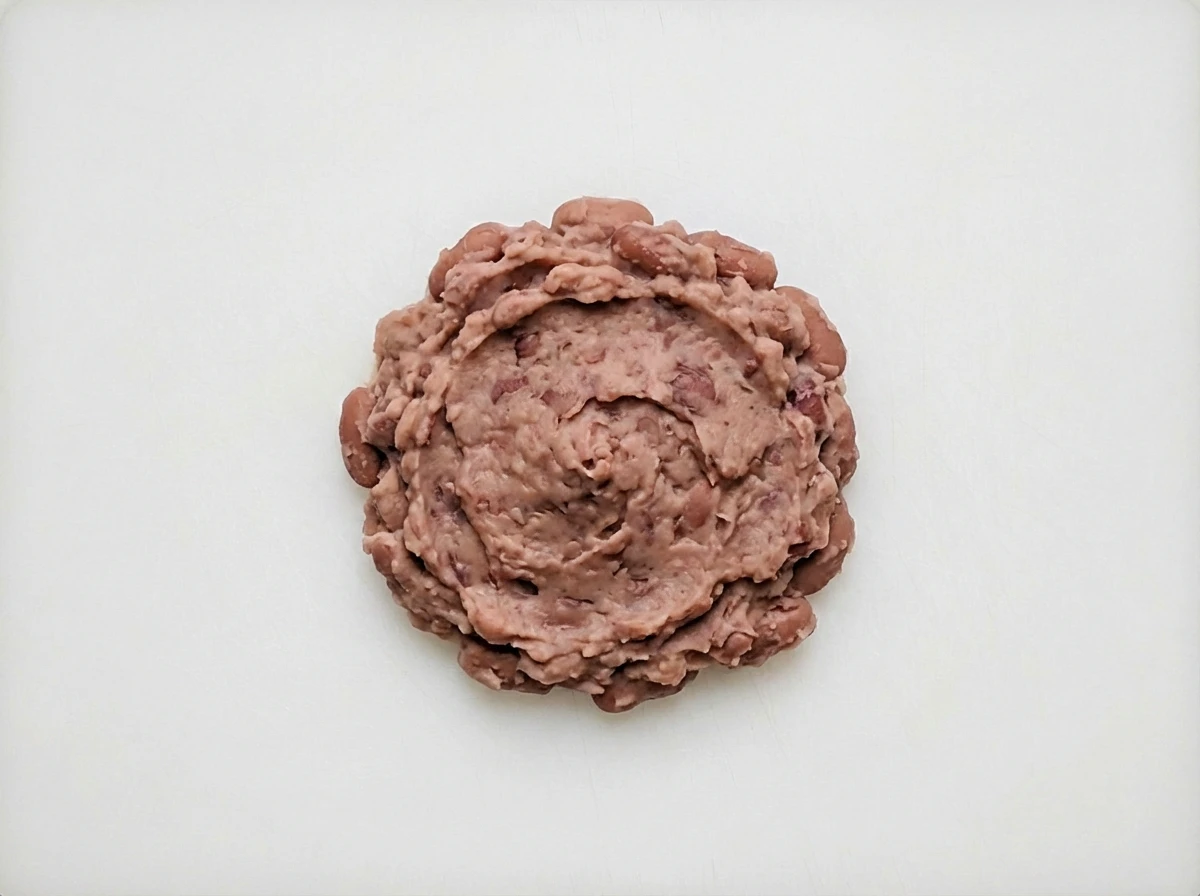
Kidney Beans
Legume
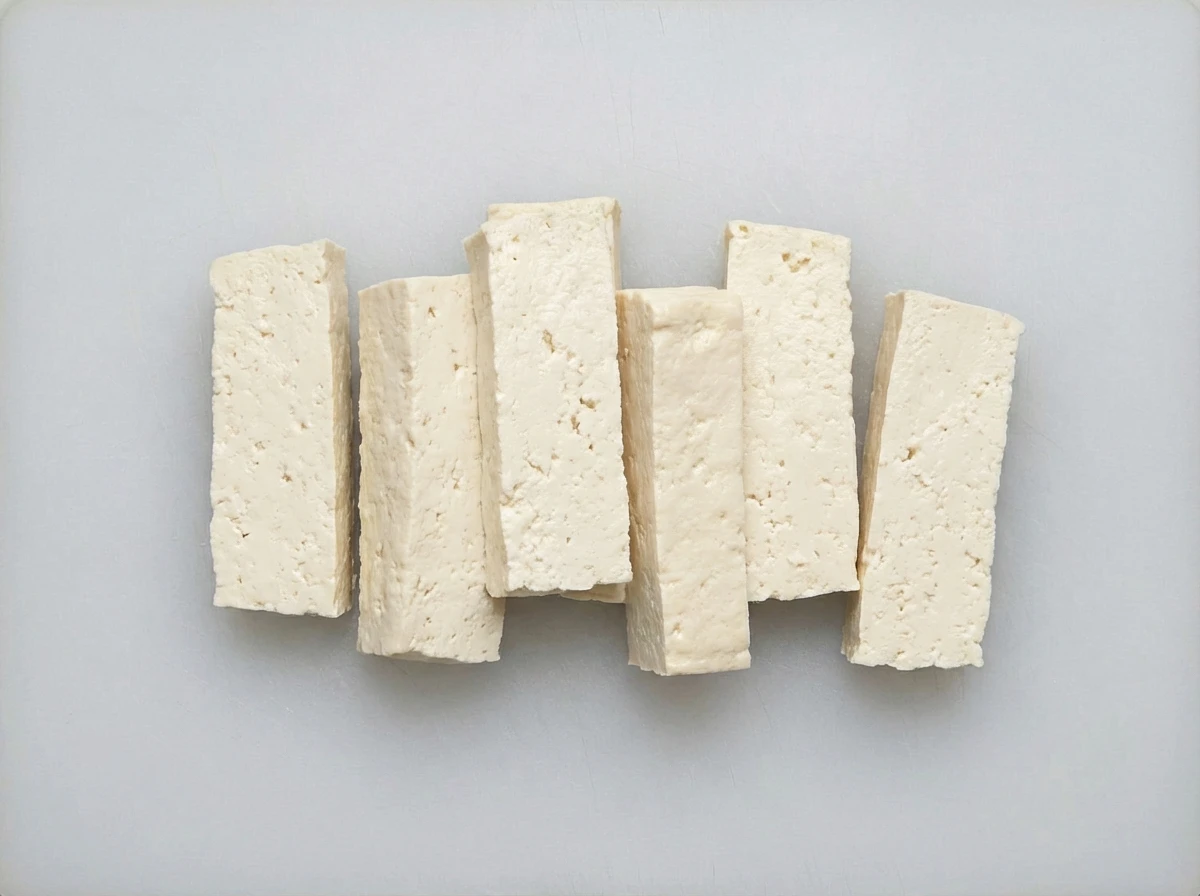
Tofu
Legume
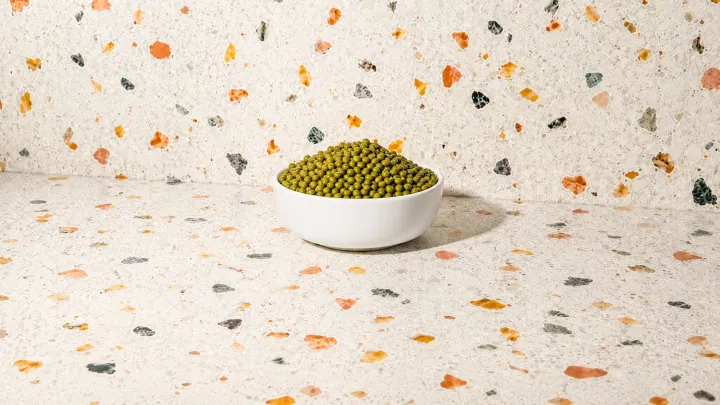
Mung Bean
Legume
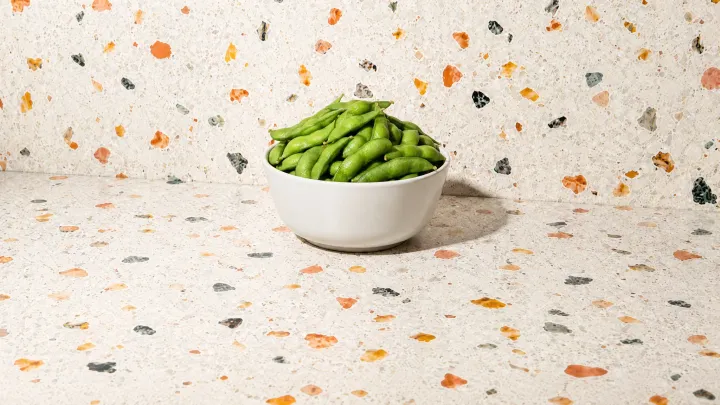
Edamame
Legume
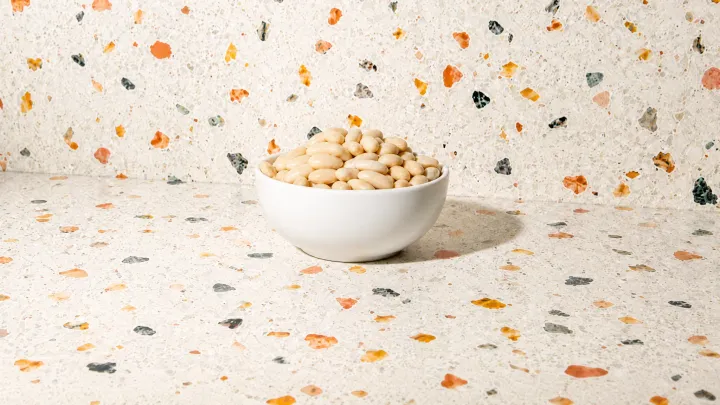
Cannellini Bean
Legume
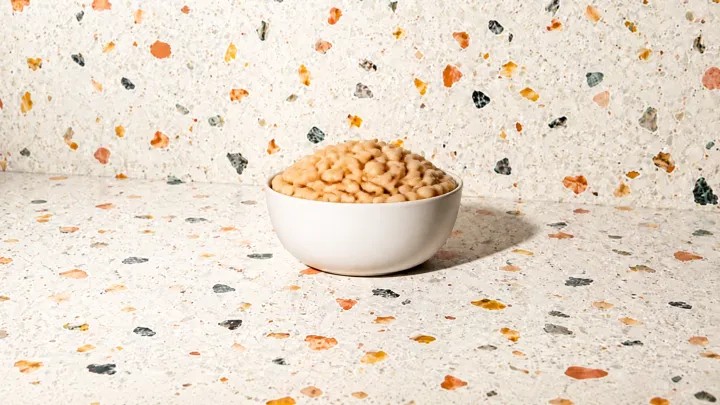
Navy Bean
Legume
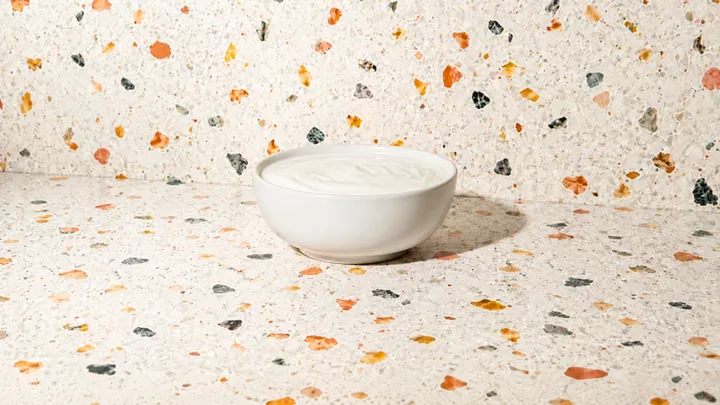
Soy Yogurt
Vegan
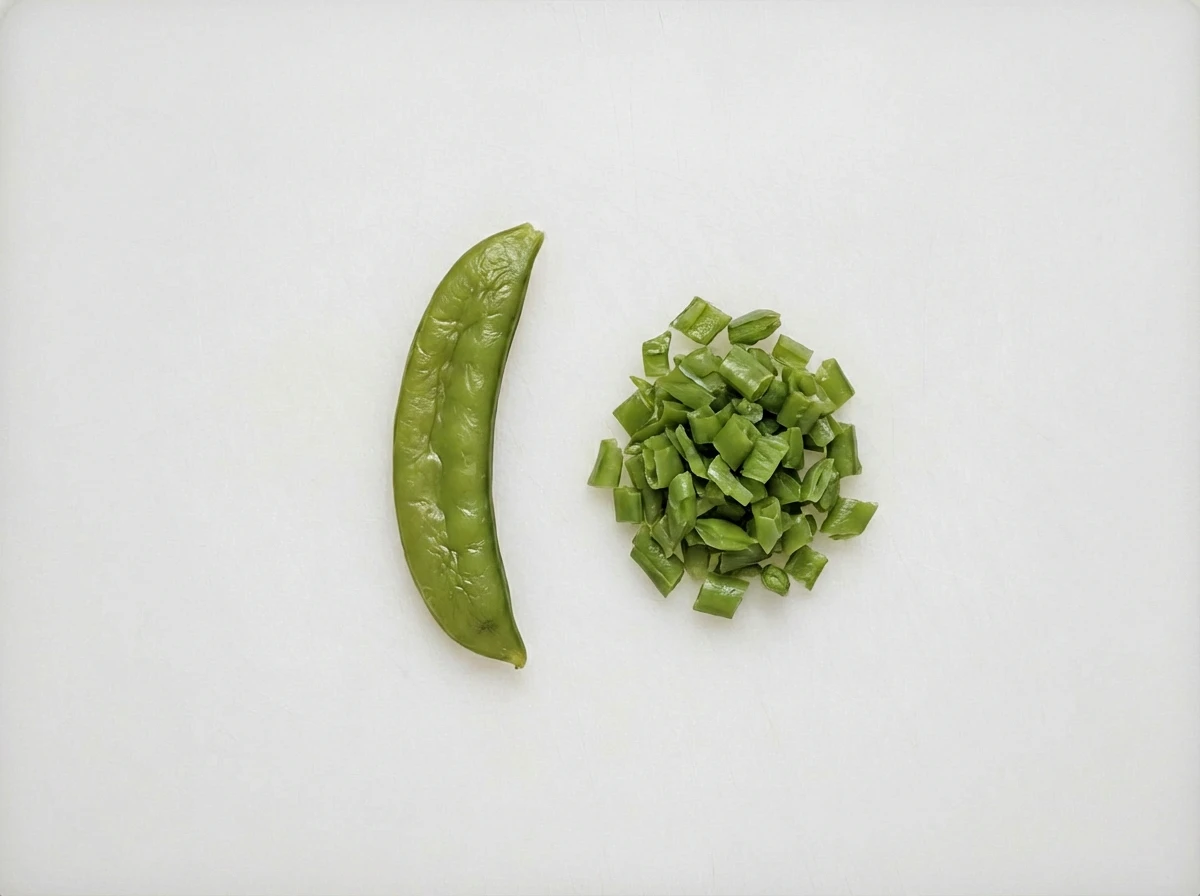
Snap Pea
Legume
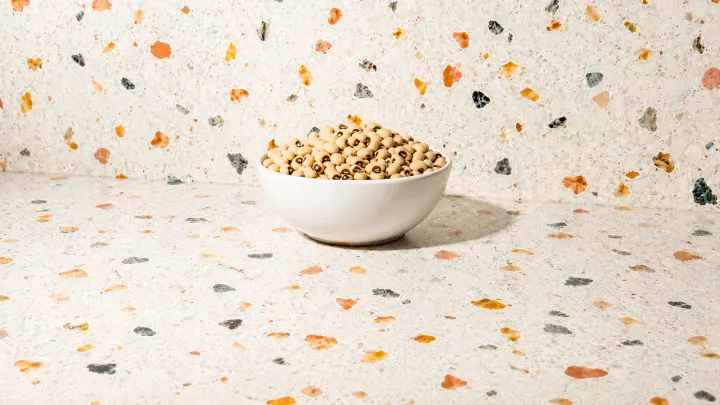
Black-Eyed Peas
Legume
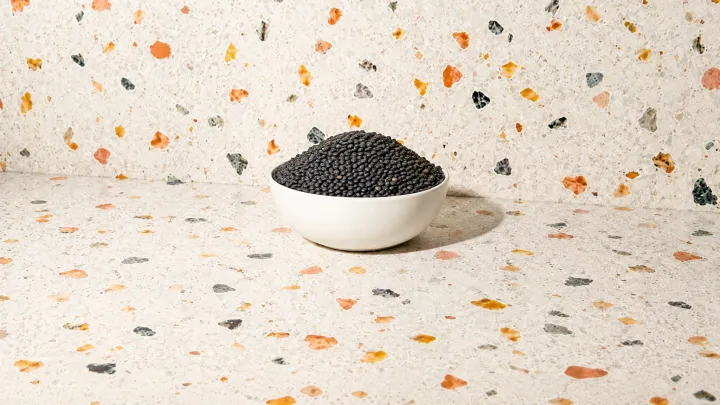
Black Lentils
Legume
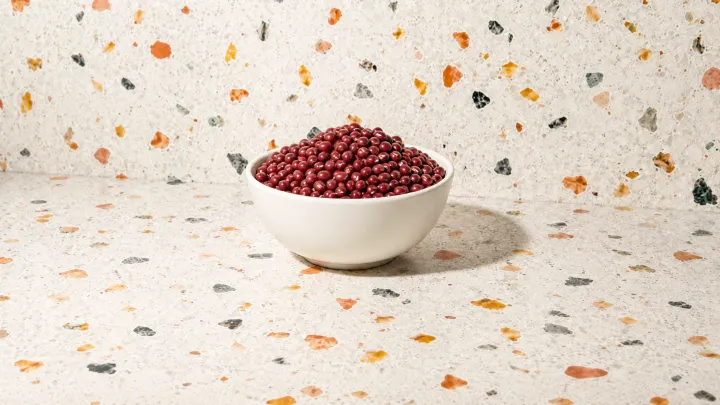
Adzuki Bean
Legume
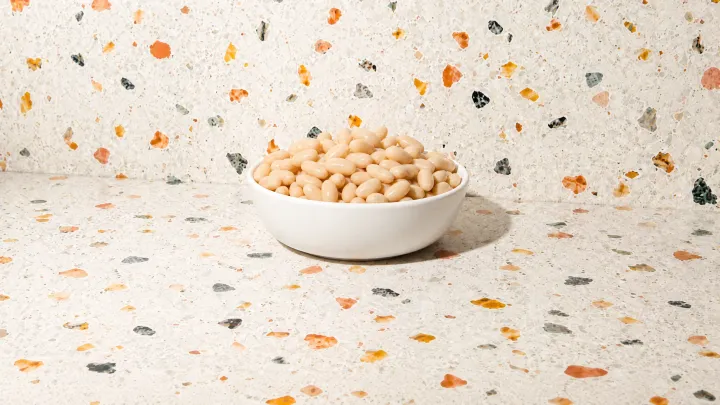
Great Northern Bean
Legume
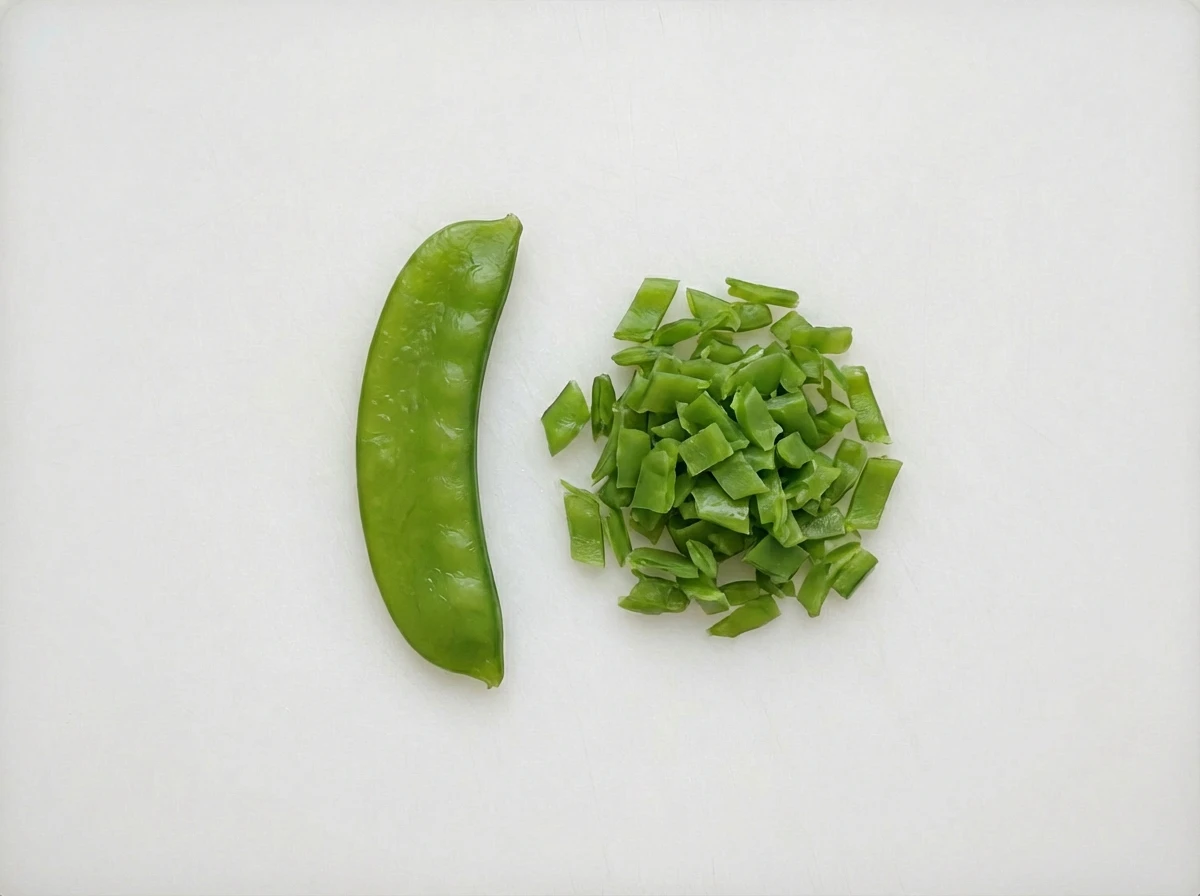
Snow Pea
Legume
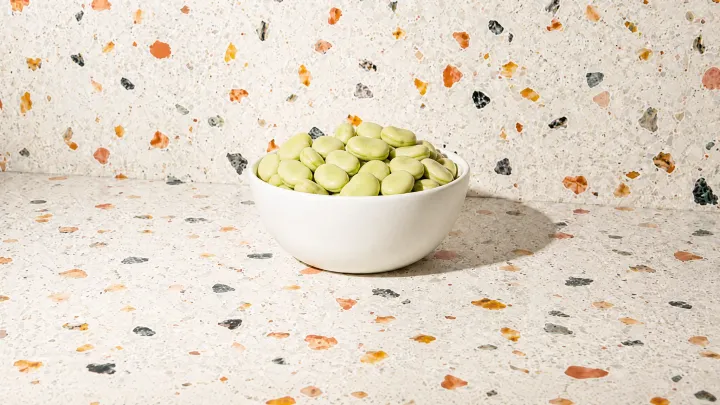
Lima Bean
Legume
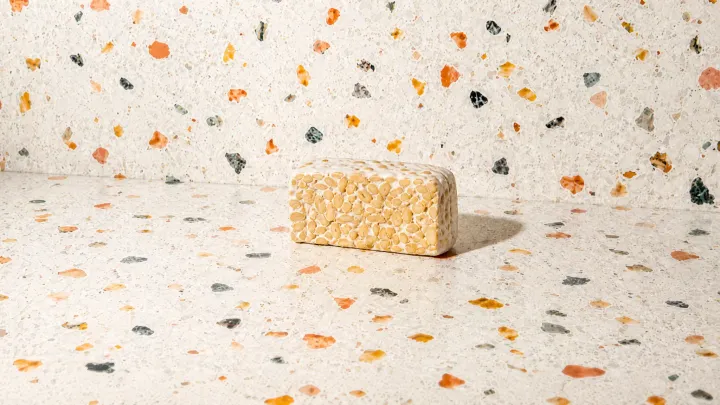
Tempeh
Legume
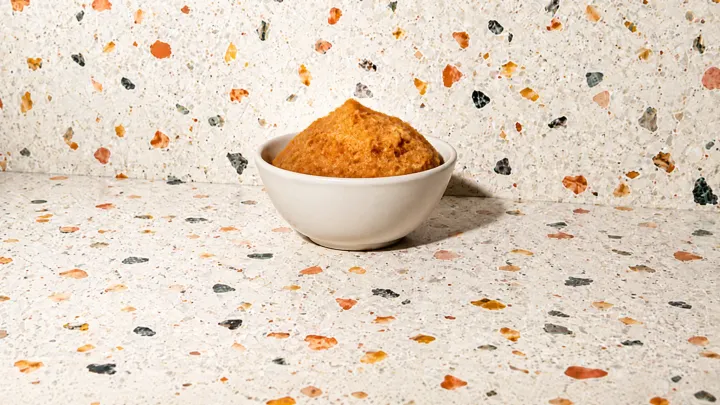
Miso
Condiment
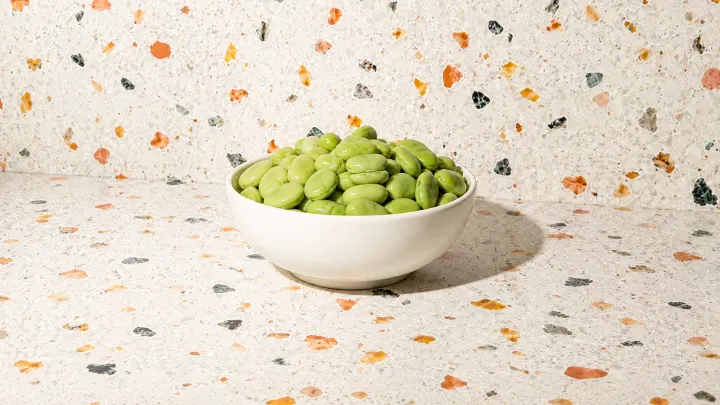
Fava Bean (Broad Bean)
Legume
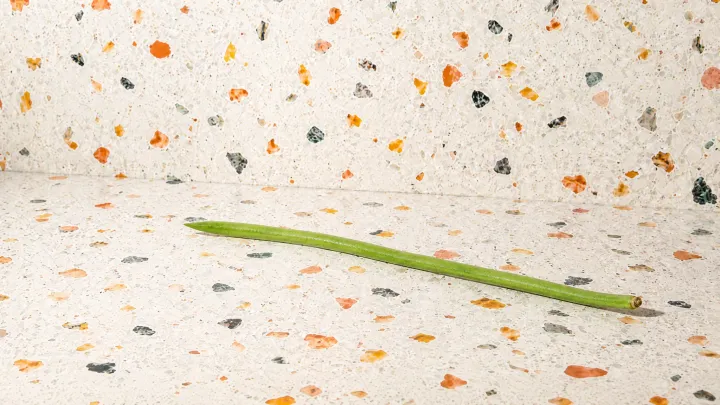
Yardlong Bean
Legume
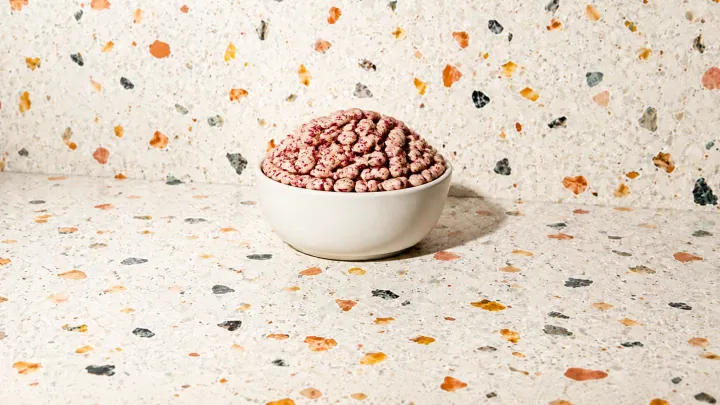
Cranberry Bean
Legume
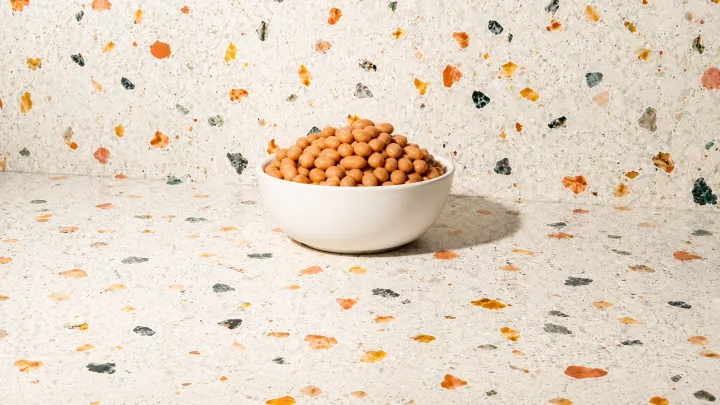
Tepary Bean
Legume
Bean and Lentil Safety Guide for Babies
Beans, lentils, chickpeas, peas, and soy foods can add iron, fiber, and plant protein. The key is soft texture and safe shape.
How to serve legumes safely
- Cook legumes until very soft.
- Mash or flatten round beans and chickpeas to reduce choking risk.
- Watch soy allergy when serving tofu, edamame, soy milk, or other soy foods.
What to watch for
Legume guides focus on round shapes, firm skins, gas, plant iron, soy allergy, sodium in canned foods, and baby-friendly ways to mash or spread legumes.
Frequently Asked Questions
Can babies eat beans?
Many babies can eat beans when they are cooked very soft and mashed, flattened, or served in a safe texture.
Are lentils good for babies?
Lentils can be a helpful plant source of iron, fiber, and protein when cooked soft.
Are chickpeas a choking risk?
Whole chickpeas are small and round, so mash or flatten them before serving to babies.
Can legumes cause gas?
Yes, beans and lentils can cause gas for some babies. Start with small servings and watch comfort.