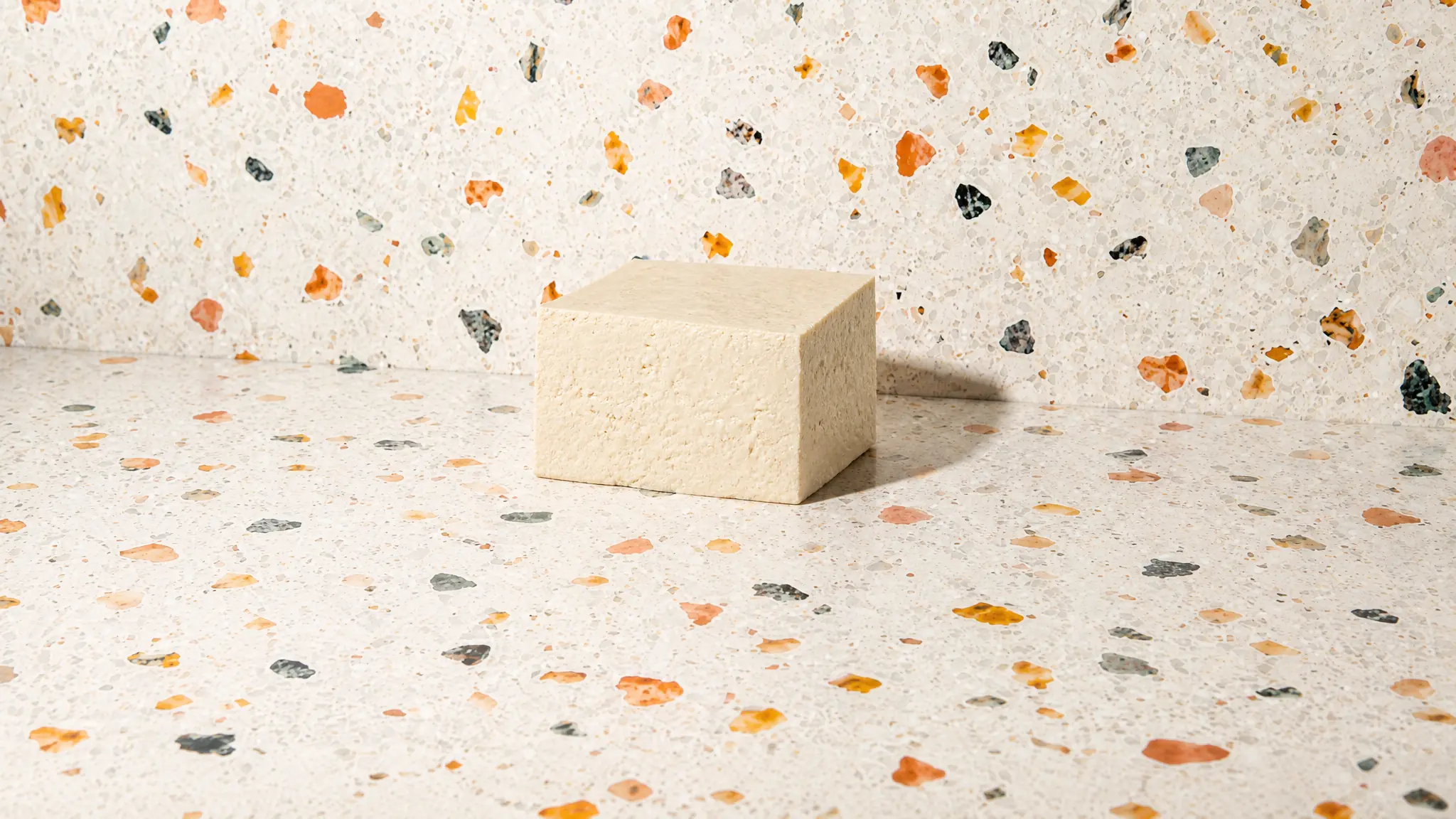
Tofu
Legume
Last updated July 5, 2026. The Tummi Food Team maintains this Can I Feed This safety guide guide. Supporting links appear in Sources when available.



Clinically reviewed by Andria Procopio and Arefa Mohamed
Direct answer
Can babies eat Tofu?
Yes, babies can eat tofu from around 6 months, when they are ready to start solids, ensuring it is prepared simply and appropriately.
- Serve Age6+months
Most babies start solids around 6 months once they show readiness signs. Match the texture and serving size to your baby's skills.
- Allergens
Tofu is flagged for soy. Introduce common allergens in a baby-safe form and follow your clinician's advice if your baby is higher risk.
- Choking Risk123451
Lower choking risk when served in the right texture. Always supervise meals and adjust the shape for your baby.
This guide is for everyday food prep questions. Ask your pediatrician about medical concerns, feeding delays, allergy plans, or serious reactions.
How Do You Serve Tofu?
How to serve Tofu to babies 6 months and older
- 1Offer silken tofu plain and spoonable—serve a small, scooped dollop in a bowl so baby can practice scooping or self-feeding.
- 2For firm tofu, press briefly to remove excess water and cut into long, thick strips about the width of your thumb so the baby can grasp and gnaw.
- 3Serve unseasoned and avoid fermented or strongly marinated varieties; plain tofu reduces exposure to strong flavors.
- 4Always supervise closely and offer one piece at a time; stay calm if a piece breaks off and coach the baby to chew or move the piece forward to spit it out.
- 5Check softness by pressing with a fork—if it squashes easily it’s safe to offer.
How to serve Tofu to babies 9 months and older
- 1Press and pat dry firm or extra‑firm tofu to remove excess water, then cut into small cubes about 1/2 inch for pincer-grasp practice or into longer strips (~1 in × 1/4 in) for biting and chewing practice.
- 2Use silken tofu by scooping or preloading a spoon to teach utensil skills; for more chew, lightly pan-fry or bake firm tofu until it firms up—avoid adding salt, sugar, or sticky sauces.
- 3Serve pieces cool or lukewarm, choose sizes the child can pick up and mash with gums, and always supervise during meals to reduce choking risk.
- 4Introduce new textures slowly and do not mix tofu with other common allergens (eggs, nuts, dairy, fish, sesame, wheat, peanuts) until each has been offered separately.
How to serve Tofu to babies 18 months and older
- 1Cut firm or extra-firm tofu into bite-sized cubes that are easy to pick up and soft enough to mash with gums.
- 2Offer trainer chopsticks, a toddler fork, or a spoon and encourage self-feeding to build independent utensil skills.
- 3Supervise every meal and sit nearby to help if pieces are hard to pick up or chew.
- 4Serve tofu with a vitamin C–rich food (e.g., mashed orange, strawberries, or bell pepper) to help iron absorption; continue offering varied textures and include tolerated allergens regularly to maintain tolerance.
Is Tofu a Common Allergen?
Tofu is made from soy and is a common allergen, especially in babies and young children—avoid if your child has a known soy allergy. Always check packaged tofu labels for “soy” and other added ingredients, and be aware of advisory statements and possible cross-contamination (e.g., shared fry oil or manufacturing lines). When introducing tofu to infants, follow your pediatrician’s guidance and watch for allergic reactions after first exposures.
Is Tofu a Choking Hazard?
Low Choking Risk
Tofu is generally low risk for choking due to its soft, compressible texture, but like any food it can still pose a hazard. Always stay within arm’s reach and closely watch for coughing, gagging, or difficulty breathing so you can intervene quickly. Ensure caregivers know basic infant choking first aid before offering new foods.
Have More Questions?
Yes. When introducing tofu to babies, start with small, soft pieces or mashed tofu, and observe for any reactions or signs of intolerance.
Yes. Tofu can be stored in an airtight container in the fridge for up to 3-4 days after opening, making it convenient to prepare ahead.
It depends. Organic tofu is made from organically grown soybeans, but always check labels for pesticide residues and additives when choosing tofu for your baby.
Yes. You can combine tofu with fruits, vegetables, or grains to create nutrient-rich meals that expose your baby to new flavors and textures.
For pureed or mashed tofu, serving 1-2 tablespoons at a time is usually enough for a young baby, adjusting as they grow and eat more.
Save Tofu to your food log
Track foods, reactions, and prep notes in Tummi when you want to keep your baby's feeding history in one place.
Sources
- Effect of sprouting of soybean on the chemical composition and quality of soymilk and tofu doi.org
- Food Allergy Research & Education — Soy Allergy foodallergy.org
- The natural history of soy allergy doi.org
- Food protein-induced enterocolitis syndrome and allergic proctocolitis doi.org
- Phytoestrogens and Their Health Effect doi.org
- The potential health effects of dietary phytoestrogens doi.org
- The health effects of soy: A reference guide for health professionals doi.org
What Other Legume Can Babies Eat?
See all →
Source-Linked Guidance
See the evidence behind the guide.
Food guides show direct links to public-health guidance and research when supporting references are available. Source inclusion does not imply endorsement.
 Centers for Disease Control and Prevention
Developmental milestones, nutrition guidelines, and allergen introduction timelines.
 American Academy of Pediatrics
Evidence-based feeding recommendations from the leading pediatric authority.
 National Institutes of Health
Peer-reviewed research on infant nutrition, allergies, and food safety.