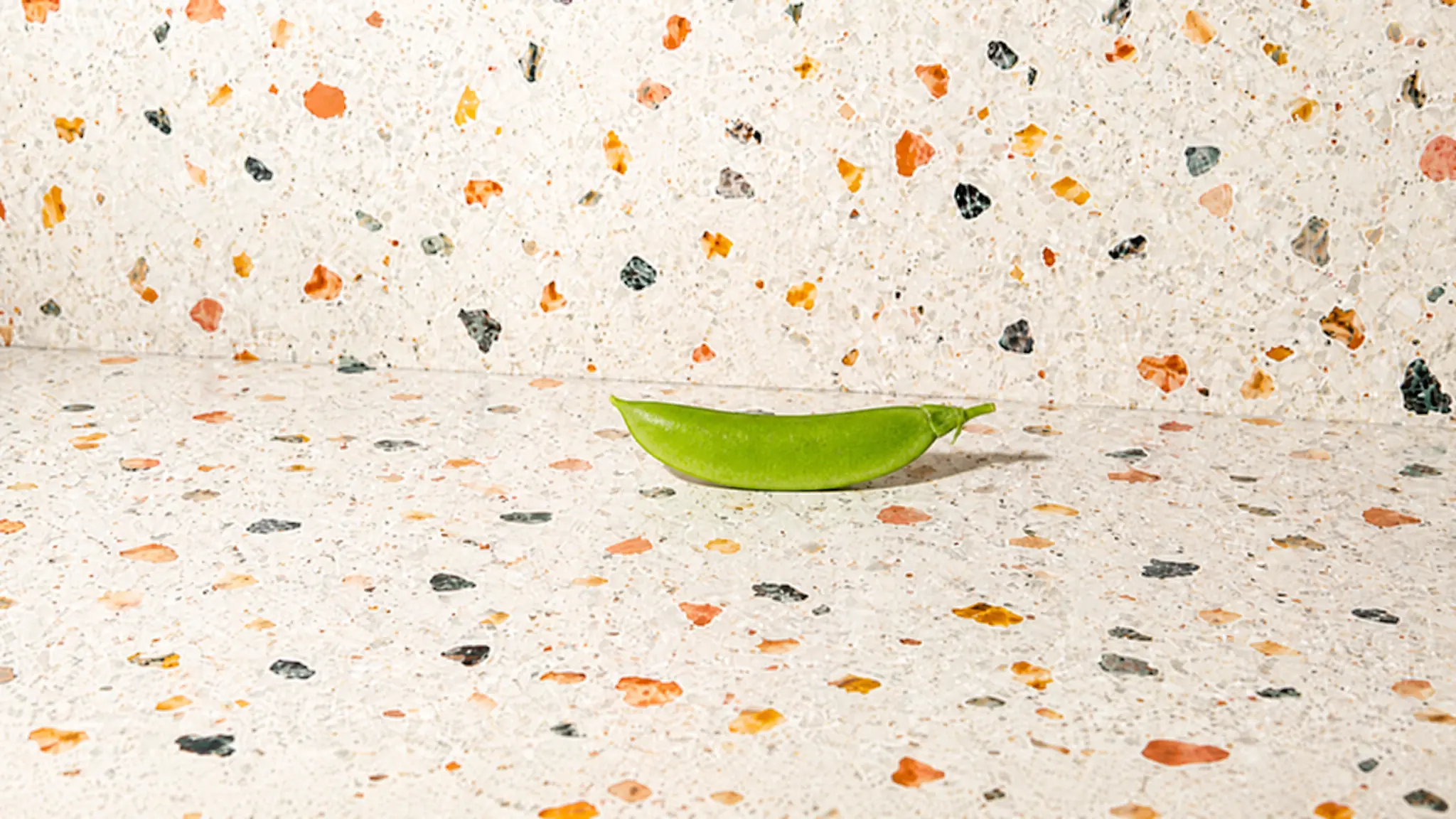
Snow Pea
Legume
Last updated July 5, 2026. The Tummi Food Team maintains this Can I Feed This safety guide guide. Supporting links appear in Sources when available.


Clinically reviewed by Andria Procopio and Arefa Mohamed
Direct answer
Can babies eat Snow Pea?
Snow peas can be introduced around 6 months once your baby shows the developmental signs of readiness for solid foods. Cook them until soft, remove any tough strings, and mash or finely chop them into a texture your baby can manage while supervising closely.
- Serve Age6+months
Most babies start solids around 6 months once they show readiness signs. Match the texture and serving size to your baby's skills.
- No Allergens
Snow Pea is not flagged as one of the major allergens tracked in this database. Still watch your baby closely when serving any new food.
- Choking Risk123454
Higher choking risk. Watch the prep steps closely, especially because this food can be hard, slippery, and fibrous or stringy.
This guide is for everyday food prep questions. Ask your pediatrician about medical concerns, feeding delays, allergy plans, or serious reactions.
How Do You Serve Snow Pea?
How to serve Snow Pea to babies 6 months and older
- 1Cook snow peas until very soft — steam or simmer for 6–8 minutes, until pods and peas are tender.
- 2For safest feeding, remove pods and either finely mash or chop the peas and fold into scoopable foods like porridge, congee, or mashed vegetables.
- 3If offering a whole cooked pod as a teether, fully crush the peas inside and remove any tough strings; supervise closely and offer only when the pod is very soft so the baby mouths rather than swallows.
- 4Always check the food is cool enough, serve small spoonable amounts, and watch for choking or allergic reactions throughout the feeding.
How to serve Snow Pea to babies 9 months and older
- 1Cook snow pea pods until soft but not mushy—steam or blanch for 2–4 minutes. Cool to lukewarm before serving.
- 2Remove any tough strings and slice pods into small, bite-sized strips or pieces that are easy to pick up.
- 3Serve plain or mixed into small portions of soft foods (rice, pasta, mashed vegetables) to encourage the pincer grasp and independent feeding.
- 4Always check piece size and temperature, supervise while eating, and stop if you notice coughing or difficulty.
How to serve Snow Pea to babies 12 months and older
- 1Wash and trim snow peas, remove any fibrous strings, then cut into small, flat bite-sized pieces so they’re easy to pick up and chew.
- 2Serve raw if very tender, or steam/sauté until tender-crisp — not mushy — to soften fibers while keeping shape.
- 3Have your child sit upright and supervise closely, offering one piece at a time so they can practice biting and chewing safely.
- 4If they handle chopped pieces reliably, you can offer a whole snow pea for supervised chewing practice; expect some spitting as they build jaw strength.
How to serve Snow Pea to babies 18 months and older
- 1Offer whole pods or chop into thin strips—serve raw if pods are tender, or steam 1–2 minutes to soften while keeping some crunch.
- 2For less confident chewers, slice pods lengthwise or cut into small pieces to reduce choking risk.
- 3Check for and remove any tough strings or fibrous edges before serving.
- 4Use snow peas as an interactive finger food—encourage gentle biting and exploration while supervising closely and watching for spitting or chewing difficulties.
- 5Pair with soft dips or mix into cooked dishes to vary texture and offer a small portion first to gauge chewing.
Is Snow Pea a Common Allergen?
Snow peas are not among the top common allergens and do not contain dairy, egg, gluten, shellfish, fish, peanuts, tree nuts, sesame, or soy. Note that peas are legumes—rare pea allergies and possible cross-reactivity with other legumes (including peanuts) can occur, so exercise caution if a child has a known legume or peanut allergy. Also be aware of potential cross-contact during processing and that whole peas can be a choking hazard for young children—serve sliced or soft-cooked as appropriate.
Is Snow Pea a Choking Hazard?
Elevated Choking Risk
Snow peas have a firm, fibrous pod and can pose a choking risk, particularly if baby bites off whole pieces. Stay within arm’s reach and closely supervise whenever baby is eating them. Make sure caregivers know infant choking first aid and CPR and call emergency services immediately if you suspect airway blockage.
Have More Questions?
Store cooked snow peas promptly in a covered container in the refrigerator, or freeze small portions for later use. Discard food that has been left unrefrigerated or handled during a meal rather than returning it to storage.
Yes. You can freeze pureed snow peas in ice cube trays, then transfer to a freezer bag once frozen, allowing convenient portioning for your baby's meals.
No, organic snow peas are not required for a baby. Whether organic or conventional, wash them before preparation and serve them in a soft, developmentally appropriate form while supervising your baby.
Yes. Combining snow peas with other vegetables or grains can introduce new flavors and textures, promoting varied tastes and balanced nutrition for your baby.
Start with a small amount of snow pea and let your baby's appetite and fullness cues guide how much more to offer. Do not force your baby to finish a portion.
Save Snow Pea to your food log
Track foods, reactions, and prep notes in Tummi when you want to keep your baby's feeding history in one place.
Sources
- Managing Cross-Reactivity in Those with Peanut Allergy doi.org
- Cross-reactivity of peanut allergens doi.org
- Oral Allergy Syndrome: An Update for Stomatologists doi.org
- Vig r 6 and cross-reactivity with Bet v 1-related allergens doi.org
- Oral allergy syndrome - NHS nhs.uk
- Oral Allergy Syndrome (OAS) or Pollen-Food Syndrome - AAAAI aaaai.org
What Other Legume Can Babies Eat?
See all →
Source-Linked Guidance
See the evidence behind the guide.
Food guides show direct links to public-health guidance and research when supporting references are available. Source inclusion does not imply endorsement.
 Centers for Disease Control and Prevention
Developmental milestones, nutrition guidelines, and allergen introduction timelines.
 American Academy of Pediatrics
Evidence-based feeding recommendations from the leading pediatric authority.
 National Institutes of Health
Peer-reviewed research on infant nutrition, allergies, and food safety.