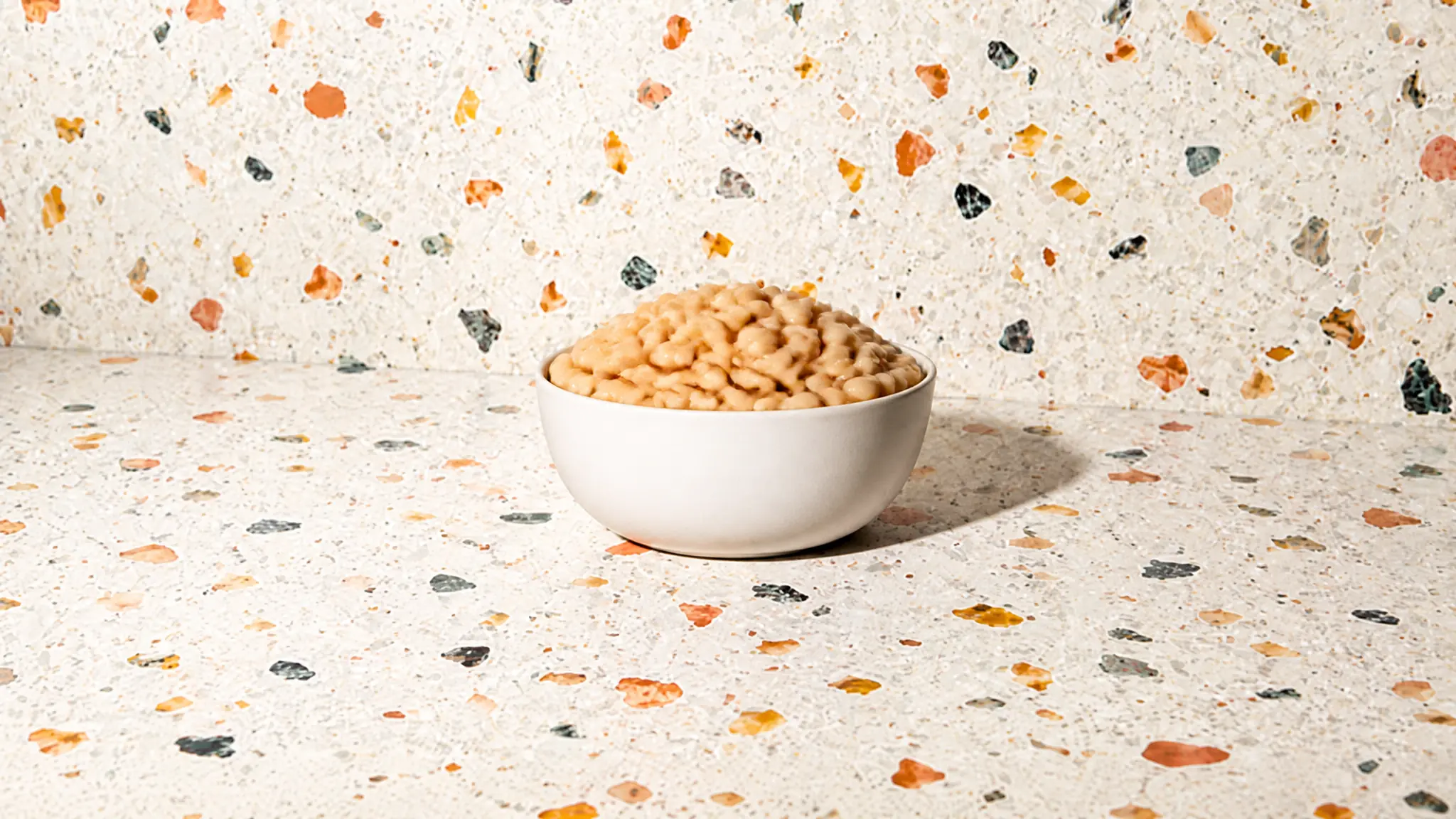
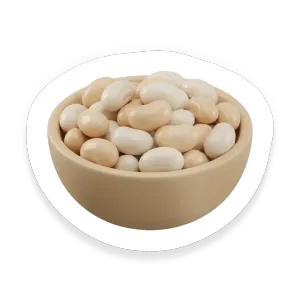
Navy Bean
Legume
Last updated July 5, 2026. The Tummi Food Team maintains this Can I Feed This safety guide guide. Supporting links appear in Sources when available.



Clinically reviewed by Andria Procopio and Arefa Mohamed
Direct answer
Can babies eat Navy Bean?
Yes, babies can eat navy beans starting at around 6 months when thoroughly cooked and mashed to prevent choking.
- Serve Age6+months
Most babies start solids around 6 months once they show readiness signs. Match the texture and serving size to your baby's skills.
- No Allergens
Navy Bean is not flagged as one of the major allergens tracked in this database. Still watch your baby closely when serving any new food.
- Choking Risk123451
Lower choking risk when served in the right texture. Always supervise meals and adjust the shape for your baby.
This guide is for everyday food prep questions. Ask your pediatrician about medical concerns, feeding delays, allergy plans, or serious reactions.
How Do You Serve Navy Bean?
How to serve Navy Bean to a 8-month-old baby
- 1Cook navy beans until very soft and easily mashed — simmer soaked dried beans until they fall apart or heat canned beans thoroughly.
- 2Blend or mash to the texture you need: make a smooth purée for first tastes or a slightly textured mash for more advanced eaters; thin to a spoonable consistency with breastmilk, formula, olive oil, or plain yogurt.
- 3Offer small amounts on a pre-loaded spoon, thinly spread on a rice cake or teether, or stir into soft scoopable foods like mashed avocado or cooked sweet potato.
- 4Start with very small portions and increase slowly while watching for fullness or digestive changes because navy beans are high in fiber; avoid adding salt or sugary mixes.
How to serve Navy Bean to a 11-month-old baby
- 1Cook beans until very soft — they should mash easily when pressed; drain and cool before serving.
- 2For whole beans, gently flatten each bean with the back of a spoon or between your fingers to make them easier to chew.
- 3Or mash or puree beans to a thick, scoopable consistency for spoon-feeding or dipping.
- 4Offer a few pieces at a time and let your child practice self-feeding while seated upright; supervise closely and stay within arm’s reach.
- 5Do not add salt or honey; check temperature and texture yourself before serving.
How to serve Navy Bean to a 24-month-old baby
- 1Cook until very soft so beans break easily when pressed; for toddlers who need extra help, mash or flatten beans to reduce choking risk.
- 2Serve beans as part of family meals—think bean salads, succotash, stews, or mixed into grains and vegetables for variety.
- 3Avoid added salt, sugar, or hard chunks; use mild herbs or a little lemon to add flavor without extra sodium.
- 4Place a child-size spoon or fork beside the plate to encourage self-feeding and practice with utensils, and always supervise during meals.
- 5Cool leftovers promptly, store in the fridge, and reheat thoroughly—test temperature before serving.
Is Navy Bean a Common Allergen?
Navy beans are legumes and are not among the most common food allergens for most people. Some individuals can be allergic to beans, and people with peanut or other legume allergies may show co‑sensitization or cross‑reactivity, so caution is warranted. For infants introduce well‑cooked, mashed beans and watch for any reactions; anyone with a known legume or peanut allergy should consult their allergist before trying navy beans.
Is Navy Bean a Choking Hazard?
Very Low Choking Risk
Navy beans are a notable choking hazard because their small, rounded shape can easily block an infant’s airway. Always stay within arm’s reach and closely supervise while a baby is trying them, and be prepared to act—know infant choking first aid and infant CPR. If the child cannot cough or breathe, call emergency services immediately.
Have More Questions?
Yes. Navy beans are suitable for babies once they start solids, typically around 6 months, and are a good source of iron and protein.
Yes. Navy beans originate from the Americas and have been a staple food for sailors and Native Americans, rich in nutrients and history.
Yes. Navy beans are nutritious and can be part of a balanced diet for babies, supporting growth and immune health.
Yes. Canned navy beans can be safe; choose low-sodium options and rinse thoroughly before serving to reduce salt content.
Yes. The lectins in navy beans are minimized through cooking, making them safe for babies when properly prepared.
Save Navy Bean to your food log
Track foods, reactions, and prep notes in Tummi when you want to keep your baby's feeding history in one place.
Sources
- Hilger J., Goerig T., Weber P., Hoeft B., Eggersdorfer M., Costa Carvalho N., Hoffmann K. (2015). Micronutrient Intake in Healthy Toddlers: A Multinational Perspective. Nutrients. doi.org
- Mun J.G., Legette L.L., Ikonte C.J., Mitmesser S.H. (2019). Choline and DHA in Maternal and Infant Nutrition. Nutrients. doi.org
- Martínez Alonso J.C., Callejo Melgosa A., Fuentes Gonzalo M.J., Martín García C. (2005). Angioedema induced by inhalation of vapours from cooked white bean in a child. Allergologia et immunopathologia. doi.org
- Martínez San Ireneo M., Ibáñez M.D., Sánchez J.J., Carnés J., Fernández-Caldas E. (2008). Clinical features of legume allergy in children from a Mediterranean area. Annals of Allergy, Asthma & Immunology. doi.org
- Chan E.S., Greenhawt M.J., Fleischer D.M., Caubet J.C. (2019). Managing Cross-Reactivity in Those with Peanut Allergy. J Allergy Clin Immunol In Pract. doi.org
- Bublin M., Breiteneder H. (2014). Cross-reactivity of peanut allergens. Current Allergy and Asthma Reports. doi.org
- Kashyap R.R., Kashyap R.S. (2015). Oral Allergy Syndrome: An Update for Stomatologists. Journal of Allergy. doi.org
- Duyff R., Mount J., Jones J. (2011). Sodium reduction in canned beans after draining, rinsing. Journal of Culinary Science & Technology. doi.org
- Queiroz Kda S., de Oliveira A.C., Helbig E., Reis S.M., Carraro F. (2002). Soaking the common bean in a domestic preparation reduced the contents of raffinose-type oligosaccharides. J Nutr Sci Vitaminol (Tokyo). doi.org
- Singh B., Singh J.P., Shevkani K., Singh N., Kaur A. (2017). Bioactive constituents in pulses and their health benefits. Journal of Food Science and Technology. doi.org
- Deol J.K., Bains K. (2010). Effect of household cooking methods on nutritional and anti nutritional factors in green cowpea pods. Journal of Food Science and Technology. doi.org
- Chitra U., Singh U., Rao P.V. (1996). Phytic acid, in vitro protein digestibility, dietary fiber, and minerals of pulses as influenced by processing methods. Plant Foods for Human Nutrition. doi.org
- Grases F., Costa-Bauza A., Prieto R.M. (2006). Renal lithiasis and nutrition. Nutrition Journal. doi.org
- Margier M., Georgé S., Hafnaoui N., Remond D., Nowicki M., Du Chaffaut L., Amiot M.J., Reboul E. (2018). Nutritional Composition and Bioactive Content of Legumes. Nutrients. doi.org
- Quagliani D., Felt-Gunderson P. (2016). Closing America's Fiber Intake Gap: Communication Strategies From a Food and Fiber Summit. American Journal of Lifestyle Medicine. doi.org
What Other Legume Can Babies Eat?
See all →
Source-Linked Guidance
See the evidence behind the guide.
Food guides show direct links to public-health guidance and research when supporting references are available. Source inclusion does not imply endorsement.
 Centers for Disease Control and Prevention
Developmental milestones, nutrition guidelines, and allergen introduction timelines.
 American Academy of Pediatrics
Evidence-based feeding recommendations from the leading pediatric authority.
 National Institutes of Health
Peer-reviewed research on infant nutrition, allergies, and food safety.