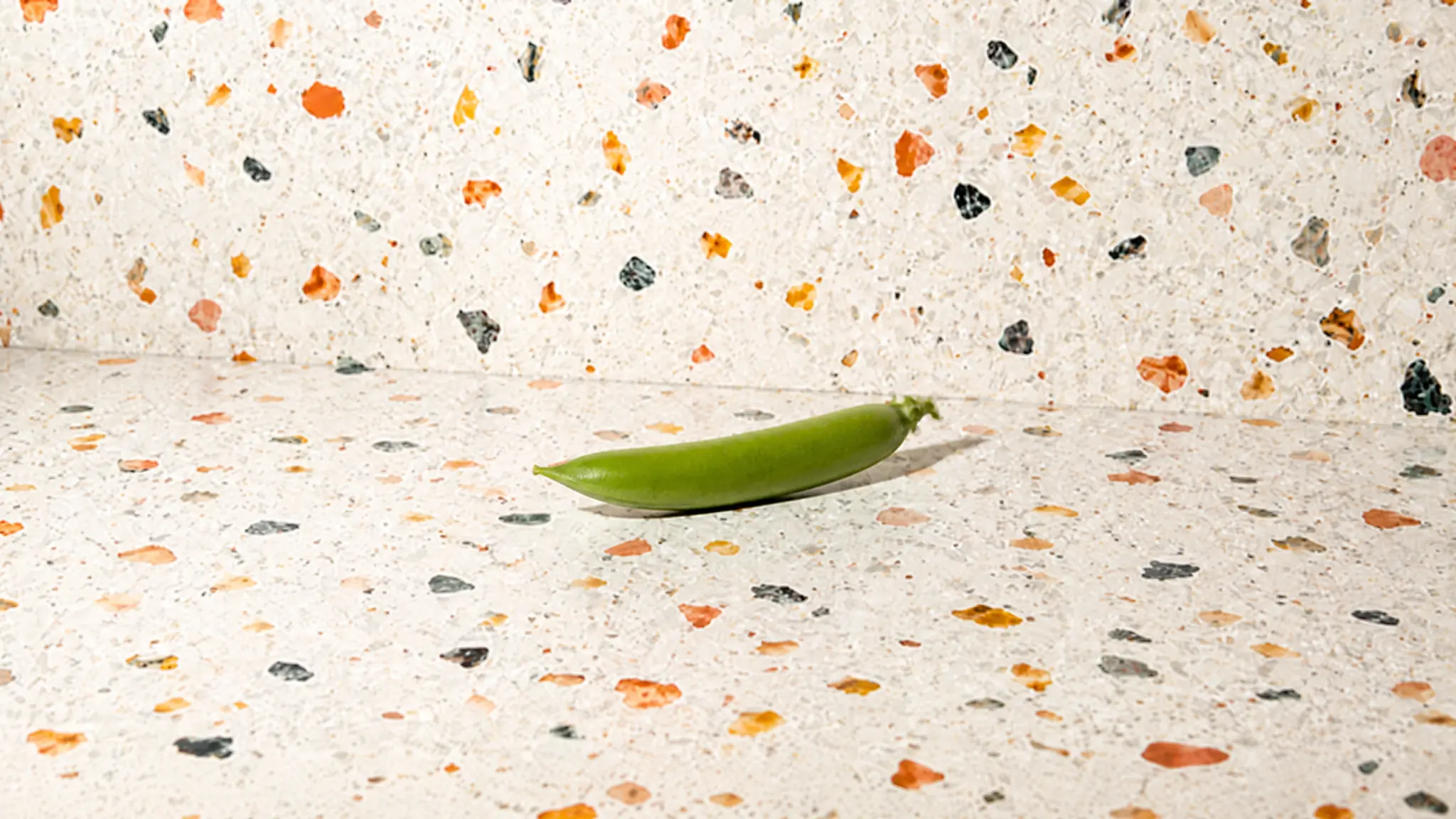
Snap Pea
Legume
Last updated July 5, 2026. The Tummi Food Team maintains this Can I Feed This safety guide guide. Supporting links appear in Sources when available.



Clinically reviewed by Andria Procopio and Arefa Mohamed
Direct answer
Can babies eat Snap Pea?
Yes, snap peas can be introduced around 6 months when a baby is developmentally ready for solid foods. Cook them until very soft, remove tough strings, mash or cut them into a developmentally appropriate shape and texture, and supervise eating closely to reduce choking risk.
- Serve Age6+months
Most babies start solids around 6 months once they show readiness signs. Match the texture and serving size to your baby's skills.
- No Allergens
Snap Pea is not flagged as one of the major allergens tracked in this database. Still watch your baby closely when serving any new food.
- Choking Risk123454
Higher choking risk. Watch the prep steps closely, especially because this food can be hard, slippery, and fibrous or stringy.
This guide is for everyday food prep questions. Ask your pediatrician about medical concerns, feeding delays, allergy plans, or serious reactions.
How Do You Serve Snap Pea?
How to serve Snap Pea to babies 6 months and older
- 1Remove the pod seam and cook pods until very soft so they mash easily.
- 2Finely chop, mash, or lightly blend cooked pods and mix into scoopable purees or porridges for easy eating.
- 3A cooked, flattened pod can be offered as a supervised teether to practise mouth movements; expect little actual intake.
- 4Cut pieces small and soft and test temperature. Within arm’s reach, watch closely during feeds to minimize choking risk.
How to serve Snap Pea to babies 9 months and older
- 1Cook snap pea pods until very soft—steam or boil for about 4–6 minutes, then drain and cool so they’re safe to handle.
- 2Cut pods into small, manageable pieces about 1/2 inch (1 cm) long so the baby can pick them up and practice the pincer grasp.
- 3Ensure pieces are soft and always supervise during eating; offer them alone or mixed with soft grains or mashed vegetables to encourage independent feeding.
- 4Check temperature and remove any tough strings or seeds before serving.
How to serve Snap Pea to babies 12 months and older
- 1Trim snap peas (remove ends and any strings) and cut into small, bite-sized pieces so they’re easy to pick up and chew.
- 2Serve raw or lightly steam them. Steam 1–2 minutes for a softer texture while preserving nutrients.
- 3Start with chopped pieces; when the child reliably chews and swallows without gagging or frequent spitting, offer whole peas for supervised chewing practice.
- 4Always supervise eating and stop offering whole peas if you notice choking, persistent gagging, or frequent spitting — continue offering chopped forms until ready.
How to serve Snap Pea to babies 18 months and older
- 1Offer cooked snap peas whole or chopped to match a toddler's chewing skill. For raw pods, flatten the pod slightly before giving and supervise closely — flatten the pod.
- 2Cook until tender but not mushy so they can be mashed with gums or teeth.
- 3Encourage sensory exploration: let them touch, crunch, smell, and count peas to build fine motor and language skills while you watch.
- 4Remove tough strings or ends, and cut or mash for less confident chewers; always stay present and minimize distractions during meals.
Is Snap Pea a Common Allergen?
Snap peas are not one of the common top-9 allergens and are generally well tolerated, but they are legumes so rare cross-reactivity with peanut/soy allergies can occur. People with pollen allergies may experience oral allergy syndrome (itchy mouth/throat) when eating raw peas. For infants and young toddlers, whole raw snap peas can be a choking hazard—serve cooked or cut into age-appropriate pieces. Always wash thoroughly to reduce surface residues and introduce new foods one at a time.
Is Snap Pea a Choking Hazard?
Elevated Choking Risk
Snap peas can be a choking hazard because the firm, round peas inside each pod can lodge in a baby’s airway. Stay within arm’s reach during meals and avoid giving pieces that are hard for your child to chew. Be prepared by learning infant choking first aid and call emergency services immediately if your child is choking.
Have More Questions?
Snap peas can be introduced around 6 months when a baby is developmentally ready for solid foods. Cook them until very soft, remove tough strings, and mash or cut them into a developmentally appropriate shape and texture while supervising closely.
Yes, cooked snap peas can be frozen. Cool and refrigerate them within two hours, freeze them if they will not be eaten within 48 hours, and follow any package cooking instructions when using commercially frozen peas.
Organic snap peas are optional rather than necessary. Whether organic or conventional, wash snap peas thoroughly under running water before preparing them; washing reduces but does not eliminate bacteria.
Yes, snap peas can be mixed with other foods your baby already eats. Keep the snap peas very soft and prepare the mixture in a shape and texture appropriate to your baby's feeding skills.
There is no single required portion of snap peas for every baby. Offer an age-appropriate amount and let your baby decide how much to eat by following their hunger and fullness cues.
Save Snap Pea to your food log
Track foods, reactions, and prep notes in Tummi when you want to keep your baby's feeding history in one place.
Sources
- Managing Cross-Reactivity in Those with Peanut Allergy doi.org
- Cross-reactivity of peanut allergens doi.org
- Oral Allergy Syndrome: An Update for Stomatologists doi.org
- Oral allergy syndrome (NHS) nhs.uk
- Vig r 6 — cross-reactivity study (Molecular Nutrition & Food Research) doi.org
- Oral Allergy Syndrome (OAS) or Pollen Fruit Syndrome (PFS) — AAAAI aaaai.org
What Other Legume Can Babies Eat?
See all →
Source-Linked Guidance
See the evidence behind the guide.
Food guides show direct links to public-health guidance and research when supporting references are available. Source inclusion does not imply endorsement.
 Centers for Disease Control and Prevention
Developmental milestones, nutrition guidelines, and allergen introduction timelines.
 American Academy of Pediatrics
Evidence-based feeding recommendations from the leading pediatric authority.
 National Institutes of Health
Peer-reviewed research on infant nutrition, allergies, and food safety.