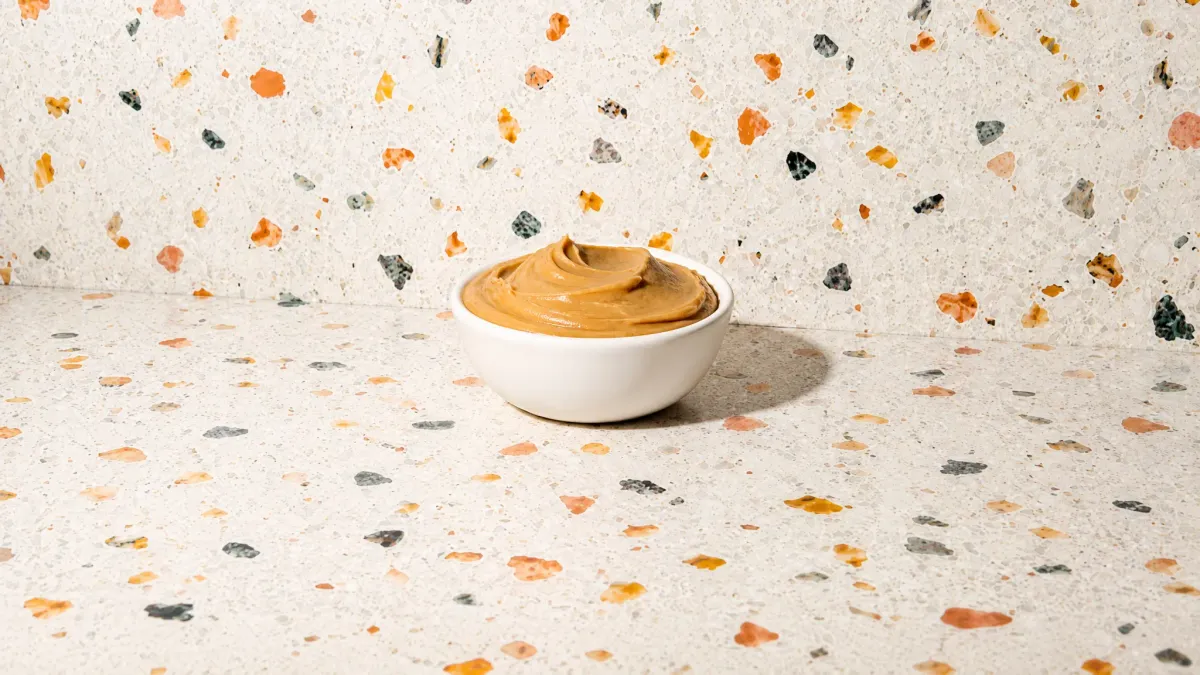
Peanut & Peanut Butter
Legume
Last updated July 5, 2026. Can I Feed This safety guide guidance is checked against public pediatric and health sources, with source links included where available.



Direct answer
Can babies eat Peanut & Peanut Butter?
Yes, peanuts can be introduced around 6 months old, but should be served as smooth peanut butter or powder to reduce choking risks.
- Serve Age6+months
Most babies start solids around 6 months once they show readiness signs. Match the texture and serving size to your baby's skills.
- Allergens
Peanut & Peanut Butter is flagged for peanut. Introduce common allergens in a baby-safe form and follow your clinician's advice if your baby is higher risk.
- Choking Risk123451
Lower choking risk when served in the right texture. Always supervise meals and adjust the shape for your baby.
This guide is for everyday food prep questions. Ask your pediatrician about medical concerns, feeding delays, allergy plans, or serious reactions.
How Do You Serve Peanut & Peanut Butter?
How to serve Peanut & Peanut Butter to a 4-month-old baby
- 1Before introducing peanut, talk with your baby's healthcare provider if they have risk factors such as severe eczema, a known food allergy, or a family history of anaphylaxis.
- 2Thin about 1/8 teaspoon of smooth, honey-free peanut butter with 1–2 teaspoons of warm water, breastmilk, or formula until it is soupy and smooth to reduce choking risk.
- 3Offer a very small taste—about a fingertip smear or 1/4 teaspoon—on a spoon or fingertip while your baby is sitting upright and alert; wait about 10 minutes before offering more.
- 4Watch closely for signs of an allergic reaction (hives, swelling, vomiting, wheeze, difficulty breathing). If mild symptoms occur stop feeding and contact your healthcare provider; if severe signs appear, call emergency services immediately, and continue to observe for at least 2 hours for delayed reactions.
How to serve Peanut & Peanut Butter to babies 6 months and older
- 1Mix a small amount of smooth peanut butter with warm water, breast milk, or formula until runny, then offer a thin spoonful so it’s easy to swallow.
- 2Stir finely ground peanuts into purees, porridge, or yogurt, or spread a very thin layer on toast strips—avoid thick globs.
- 3Roll slippery finger foods (e.g., banana or avocado) in finely ground peanut to add grip; after the baby has tolerated for a few weeks, try thinned peanut butter as a dip or "finger paint."
- 4Always seat the baby upright and stay within arm’s reach during meals to reduce choking risk.
- 5Offer small sips from an open cup during or after feeding to help clear sticky pieces and reduce residue in the mouth.
How to serve Peanut & Peanut Butter to babies 12 months and older
- 1Mix 1–2 teaspoons of smooth peanut butter into 2–3 tablespoons of soft, scoopable foods (yogurt, mashed banana, porridge) until the texture is smooth and easy to swallow.
- 2Sprinkle finely ground peanut or peanut flour over meals or add to batters for baking; ensure particles are very fine so they don’t pose a choking risk.
- 3Spread a very thin layer of smooth peanut butter on well-toasted bread or crackers and wipe the child’s mouth afterward to remove sticky residue.
- 4Use peanut oil for cooking if desired, but remember refined peanut oil may not contain allergenic protein, so use whole-peanut products when the goal is maintaining exposure.
- 5Always offer a cup of water or milk with peanut foods to help wash down sticky bits, and stay close while they eat; stop feeding and seek medical help if you see breathing problems, swelling, or hives.
How to serve Peanut & Peanut Butter to babies 18 months and older
- 1Spread smooth peanut butter thinly on soft bread, crackers, or fruit slices so it’s easy to chew and doesn’t form thick globs.
- 2Mix smooth peanut butter into porridge, yogurt, or purees to thin the texture and distribute it evenly.
- 3Offer finely ground peanuts or very thinly spread chunky peanut butter only if the child handles textures well; supervise each bite and coach chewing.
- 4Cut peanut-based sandwiches into small, thin pieces and always have the child seated and monitored while eating to reduce choking risk.
Is Peanut & Peanut Butter a Common Allergen?
Peanuts and peanut butter are common, potentially severe allergens — even trace amounts can trigger reactions in allergic children. Parents should avoid serving peanuts or peanut-containing products to children with peanut allergy and be vigilant about cross‑contamination in mixed foods, schools, and childcare settings. For young children, use smooth peanut butter thinned and spread thinly to reduce choking risk and never give whole peanuts. Always read product labels and follow your child’s allergy action plan.
Is Peanut & Peanut Butter a Choking Hazard?
Low Choking Risk
Peanuts, nut pieces, and peanut butter are significant choking hazards for babies and young toddlers; whole peanuts are a leading cause of serious food-related choking incidents in children under 3. Always keep baby seated and supervised within arm’s reach during meals, be alert to sticky or dense textures that can block the airway, and have a plan to respond to choking (know infant CPR and emergency steps). Avoid offering whole nuts until your child demonstrates advanced chewing and swallowing skills.
Save Peanut & Peanut Butter to your food log
Track foods, reactions, and prep notes in Tummi when you want to keep your baby's feeding history in one place.
Sources
- Health benefits of nut consumption doi.org
- Peanuts as functional food: a review doi.org
- Nutritional Gaps and Supplementation in the First 1000 Days doi.org
- Micronutrient Intake in Healthy Toddlers: A Multinational Perspective doi.org
- Influence of Resveratrol on the Immune Response doi.org
- Resveratrol and Its Effects on the Vascular System doi.org
- Recent advances in understanding and preventing peanut and tree nut hypersensitivity doi.org
- Addendum Guidelines for the Prevention of Peanut Allergy (NIAID, 2017) niaid.nih.gov
- Peanut Allergy (Food Allergy Research & Education) foodallergy.org
- Peanut Oil: The Facts (Anaphylaxis Campaign, 2017) anaphylaxis.org.uk
- Defining the window of opportunity and target populations to prevent peanut allergy doi.org
- Choking Prevention (HealthyChildren.org) healthychildren.org
What Other Legume Can Babies Eat?
See all →


Backed by Science
Data you can trust.
Every food, guideline, and recommendation in Tummi is sourced from leading health institutions and peer-reviewed research.
 Centers for Disease Control and Prevention
Developmental milestones, nutrition guidelines, and allergen introduction timelines.
 American Academy of Pediatrics
Evidence-based feeding recommendations from the leading pediatric authority.
 National Institutes of Health
Peer-reviewed research on infant nutrition, allergies, and food safety.