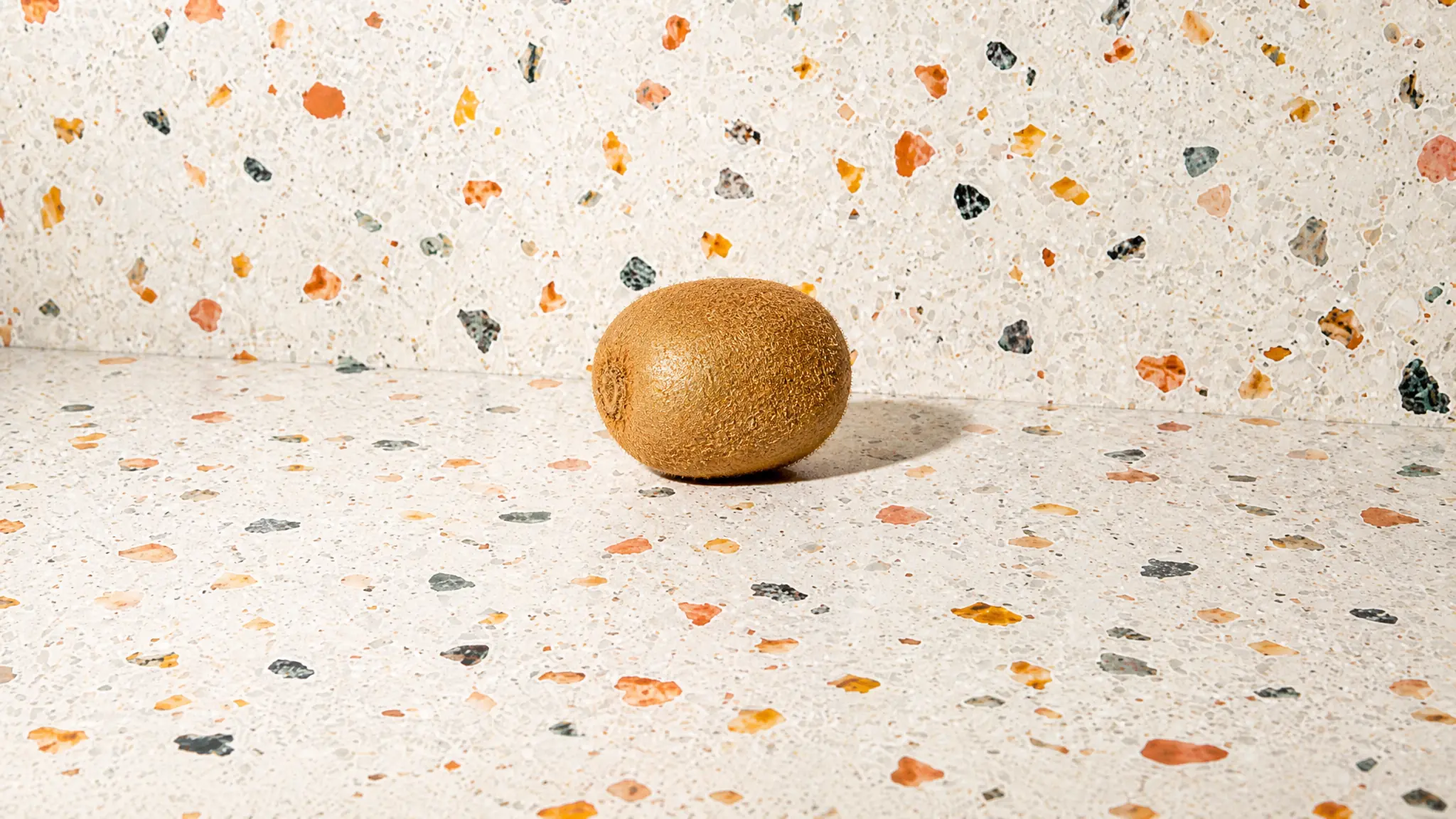
Kiwi
Fruit
Last updated July 5, 2026. The Tummi Food Team maintains this Can I Feed This safety guide guide. Supporting links appear in Sources when available.



Clinically reviewed by Andria Procopio and Arefa Mohamed
Direct answer
Can babies eat Kiwi?
Yes, babies can eat ripe, peeled kiwi from around 6 months old, when they are ready to start solids.
- Serve Age6+months
Most babies start solids around 6 months once they show readiness signs. Match the texture and serving size to your baby's skills.
- No Allergens
Kiwi is not flagged as one of the major allergens tracked in this database. Still watch your baby closely when serving any new food.
- Choking Risk123451
Lower choking risk when served in the right texture. Always supervise meals and adjust the shape for your baby.
This guide is for everyday food prep questions. Ask your pediatrician about medical concerns, feeding delays, allergy plans, or serious reactions.
How Do You Serve Kiwi?
How to serve Kiwi to babies 6 months and older
- 1Serve ripe, very soft kiwis halved or in large segments so baby can hold and gnaw; leaving a bit of skin can help with grip.
- 2Check ripeness by pressing lightly — the kiwi should yield easily with no hard center.
- 3For spoon-feeding, mash or finely chop kiwi and mix into yogurt, ricotta, or coconut cream to mellow the texture and flavor.
- 4Always supervise during meals; if the kiwi isn't very soft, peel and cut into small, manageable pieces to reduce choking risk.
How to serve Kiwi to babies 9 months and older
- 1Cut kiwi into large, easy-to-grasp pieces—halves, thick wedges, or chunky slices; leave the skin on or peel it based on your child's preference.
- 2Avoid very small or overly slippery bites that are hard to pick up; serve halves or larger wedges while self-feeding skills develop.
- 3If pieces are slippery, lightly coat them with finely ground foods like shredded coconut, crushed dry cereal, or breadcrumbs; use just a thin layer to keep texture and sugar low.
- 4Always supervise during meals and remove any tough or fibrous parts; when in doubt, mash slightly or slice thinner to reduce choking risk.
How to serve Kiwi to babies 12 months and older
- 1Cut ripe kiwi into bite-sized pieces about the size of a grape; peel or leave a thin strip of skin if your child tolerates it.
- 2Offer pieces on a tray or with a small fork to encourage self-feeding and utensil use; make pieces smaller as the pincer grasp improves.
- 3Stir small chopped pieces into oatmeal, yogurt, or savory dishes for extra flavor and color, and mix well so no large chunks remain.
- 4Keep portion sizes appropriate for chewing ability and always supervise eating to reduce choking risk.
Is Kiwi a Common Allergen?
Kiwi is not one of the major common allergens (peanut, dairy, egg, soy, wheat/gluten, tree nuts, fish, shellfish, sesame), but it can still cause allergic reactions in some people. Reactions may include oral allergy syndrome (tingling/itching in the mouth) or more serious responses; kiwi can cross-react with latex and birch pollen. When introducing kiwi to infants, offer a small amount first and watch for hives, swelling, vomiting, or breathing difficulties, and seek medical care for severe symptoms. If there is a personal or family history of fruit, pollen, or latex allergies, consult your pediatrician before introducing kiwi.
Is Kiwi a Choking Hazard?
Low Choking Risk
Kiwi can pose a choking risk because its flesh is often firm and slippery, which increases the chance that a piece could block a baby’s airway. Stay within arm’s reach and watch closely for gagging or signs of choking, and make sure you know infant choking first-aid procedures. If you have concerns about your child’s chewing or swallowing skills, consult your pediatrician for individualized guidance.
Have More Questions?
Yes, leftover kiwi can be kept for a later meal if it was handled hygienically. Refrigerate peeled or cut kiwi promptly in a covered container, and discard it if it has been left at room temperature for more than 2 hours.
Yes, kiwi puree can be frozen. Freeze freshly prepared puree promptly in clean, covered containers or small portions.
No, organic kiwi is not known to be nutritionally better for a baby than conventional kiwi. Either can be offered; wash and peel the fruit before serving it to a young baby.
Yes, ripe kiwi can be combined with other age-appropriate fruits for a baby who is ready for solid foods. Use a soft or mashed texture the baby can manage and supervise them while eating.
There is no single required portion of kiwi for every baby. Start with a small amount, such as a few suitably prepared pieces or spoonfuls, and let your baby decide how much to eat by following their hunger and fullness cues.
Save Kiwi to your food log
Track foods, reactions, and prep notes in Tummi when you want to keep your baby's feeding history in one place.
Sources
- Bioactivities of Phenolic Compounds from Kiwifruit and Persimmon doi.org
- Effects of kiwi consumption on plasma lipids, fibrinogen and insulin resistance doi.org
- The nutritional and health attributes of kiwifruit: a review doi.org
- Kiwi fruit is a significant allergen and is associated with differing patterns of reactivity in children and adults doi.org
- Influence of Geographical Location of Orchards on Green Kiwifruit Bioactive Components doi.org
- Immunoglobulin E recognition patterns to purified Kiwifruit allergens doi.org
- Asthma caused by Ficus benjamina latex: evidence of cross-reactivity with fig fruit and papain doi.org
- High frequency of IgE sensitization towards kiwi seed storage proteins among peanut allergic individuals doi.org
- The Latex-Fruit Syndrome doi.org
- Oral allergy syndrome (OAS) — American Academy of Allergy, Asthma, & Immunology aaaai.org
- Oral Allergy Syndrome: An Update for Stomatologists doi.org
- Contact dermatitis — Cleveland Clinic my.clevelandclinic.org
What Other Fruit Can Babies Eat?
See all →



Source-Linked Guidance
See the evidence behind the guide.
Food guides show direct links to public-health guidance and research when supporting references are available. Source inclusion does not imply endorsement.
 Centers for Disease Control and Prevention
Developmental milestones, nutrition guidelines, and allergen introduction timelines.
 American Academy of Pediatrics
Evidence-based feeding recommendations from the leading pediatric authority.
 National Institutes of Health
Peer-reviewed research on infant nutrition, allergies, and food safety.