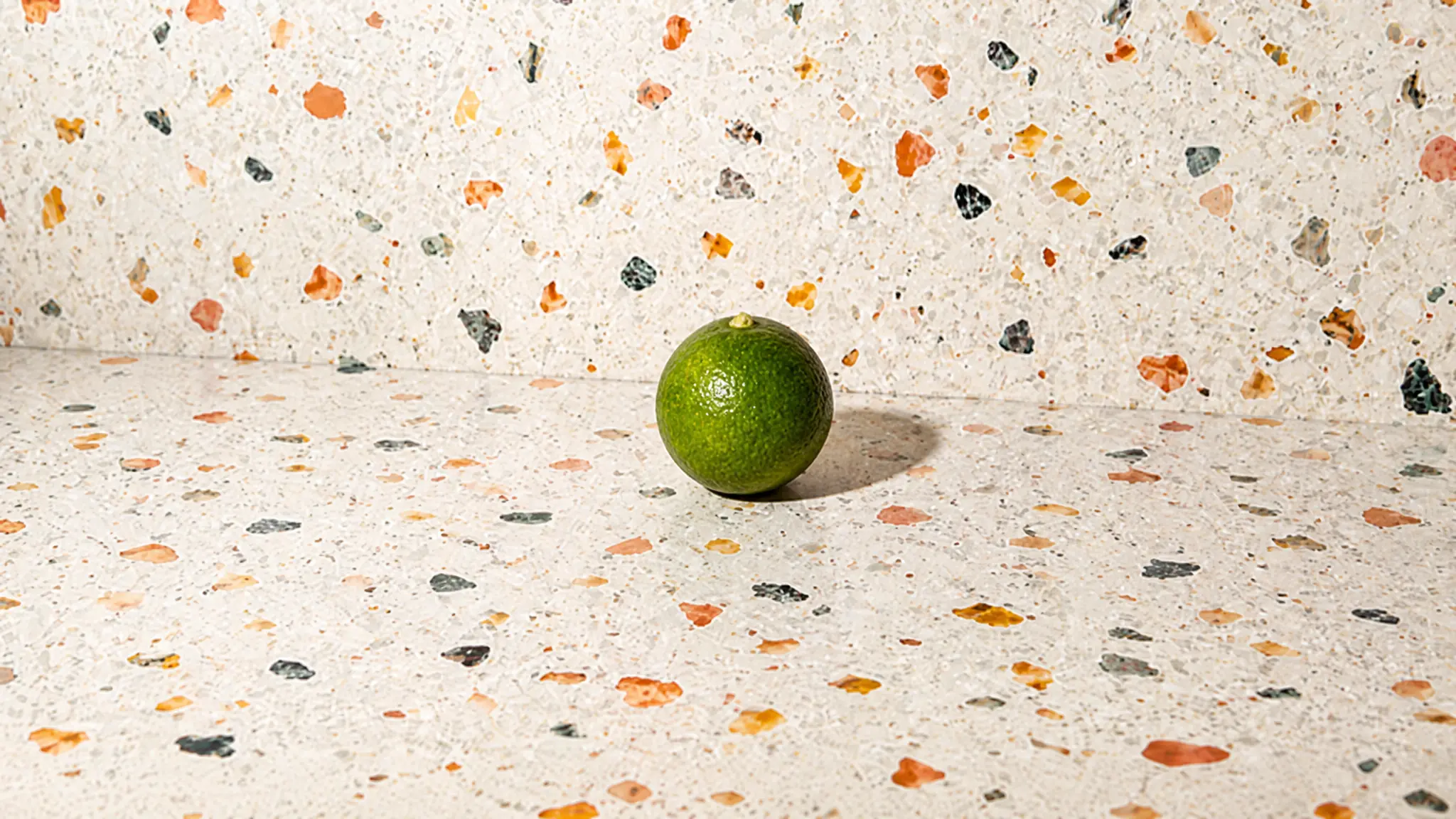
Calamansi
Fruit
Last updated July 5, 2026. The Tummi Food Team maintains this Can I Feed This safety guide guide. Supporting links appear in Sources when available.



Clinically reviewed by Andria Procopio and Arefa Mohamed
Direct answer
Can babies eat Calamansi?
Yes, calamansi can be introduced as an ingredient in developmentally appropriate food from around 6 months, once the baby shows signs of readiness for solids. Do not offer calamansi juice as a drink before 12 months.
- Serve Age6+months
Most babies start solids around 6 months once they show readiness signs. Match the texture and serving size to your baby's skills.
- No Allergens
Calamansi is not flagged as one of the major allergens tracked in this database. Still watch your baby closely when serving any new food.
- Choking Risk123451
Lower choking risk when served in the right texture. Always supervise meals and adjust the shape for your baby.
This guide is for everyday food prep questions. Ask your pediatrician about medical concerns, feeding delays, allergy plans, or serious reactions.
How Do You Serve Calamansi?
How to serve Calamansi to babies 6 months and older
- 1Start with a tiny amount—use 2–3 drops of freshly squeezed calamansi mixed into a single serving of puree, sauce, or cooked vegetables and increase slowly over several meals while watching for any irritation.
- 2Strain out seeds and excess pulp and dilute the juice with breastmilk, formula, or mashed food; never give undiluted concentrated juice.
- 3Use zest very sparingly—grate a pinch and stir into food or add a light splash at the end of cooking to capture flavor without extra acidity.
- 4Avoid contact with sensitive skin and the diaper area; observe the mouth, lips, and nappy for redness or soreness for 24–48 hours and stop use if irritation or an allergic reaction appears.
How to serve Calamansi to babies 12 months and older
- 1Wash the fruit, cut in half and remove any seeds; offer halved pieces for the child to squeeze with supervision so they learn to season their food themselves.
- 2Place a halved calamansi or a small dish of juice alongside meals so toddlers can squeeze or dip—this teaches independence and helps them control flavor.
- 3Only serve small, occasional amounts of calamansi juice as a drink and mix with water to reduce acidity. Dilute and limit
- 4Avoid adding sugar, supervise tasting to prevent choking, and offer water or whole foods first to protect appetite and dental and oral health.
Is Calamansi a Common Allergen?
Calamansi is a citrus fruit and is not one of the common major food allergens (milk, eggs, peanuts, tree nuts, soy, wheat, fish, shellfish). However, citrus allergies and oral allergy syndrome can occur in sensitive individuals, and the acidic juice may irritate skin or mouths or worsen reflux/eczema in some children. Introduce gradually and watch for hives, swelling, vomiting, wheezing, or breathing difficulty. Seek medical care for any signs of a severe allergic reaction.
Is Calamansi a Choking Hazard?
Very Low Choking Risk
Calamansi presents a low choking risk for babies, though any food can choke in theory. Always supervise closely—stay within arm’s reach, watch for signs of choking vs. gagging, and be prepared to respond with infant choking first aid if needed.
Have More Questions?
No, a baby does not need calamansi every day. Once your baby is around 6 months and developmentally ready for solids, calamansi may be used occasionally as an ingredient within a varied diet, but do not offer its juice as a drink before 12 months.
No, diluting calamansi juice does not make it an appropriate drink for a baby under 12 months. Before 12 months, offer breast milk or formula and water as appropriate drinks; after 12 months, keep juice limited and prefer whole fruit.
Yes, unused calamansi prepared for a baby can be stored if it is refrigerated promptly in a clean, covered container. Discard any portion that was served to the child or contacted by a used spoon, and do not keep perishable food that has been without refrigeration or another cold source for more than two hours.
Introduce calamansi to a toddler as an ingredient in a familiar, developmentally appropriate food. Calamansi juice is not necessary; if juice is offered after 12 months, keep it limited and prefer whole fruit when practical.
There is no established calamansi-specific serving size for babies. If your baby is around 6 months and developmentally ready for solids, use calamansi only as an ingredient in food suited to their eating skills, follow their appetite, and do not offer calamansi juice as a drink before 12 months.
Save Calamansi to your food log
Track foods, reactions, and prep notes in Tummi when you want to keep your baby's feeding history in one place.
Sources
- Phenolic compounds and biological activities of small-size citrus: Kumquat and calamondin — Lou SN & Ho CT (2017) doi.org
- Traditional Small-Size Citrus from Taiwan: Essential Oils, Bioactive Compounds and Antioxidant Capacity — Chen MH et al. (2017) doi.org
- Citrus allergy from pollen to clinical symptoms — Iorio RA et al. (2013) doi.org
- Oral Allergy Syndrome: An Update for Stomatologists — Kashyap RR & Kashyap RS (2015) doi.org
- Allergic contact dermatitis resulting from sensitivity to citrus peel — Cardullo AC et al. (1989) doi.org
- Antiangiogenic and antioxidant properties of Calamansi Citrus microcarpa peel ethanolic extract — Barluado MJ et al. (2016) doi.org
- Immunostimulatory effect of kumquat and its constituents — Terao R et al. (2019) doi.org
- Phytophotodermatitis: the other 'lime' disease — Weber IC et al. (1999) doi.org
- WHO Guideline for complementary feeding of infants and young children 6-23 months of age (2023) who.int
What Other Fruit Can Babies Eat?
See all →






Source-Linked Guidance
See the evidence behind the guide.
Food guides show direct links to public-health guidance and research when supporting references are available. Source inclusion does not imply endorsement.
 Centers for Disease Control and Prevention
Developmental milestones, nutrition guidelines, and allergen introduction timelines.
 American Academy of Pediatrics
Evidence-based feeding recommendations from the leading pediatric authority.
 National Institutes of Health
Peer-reviewed research on infant nutrition, allergies, and food safety.