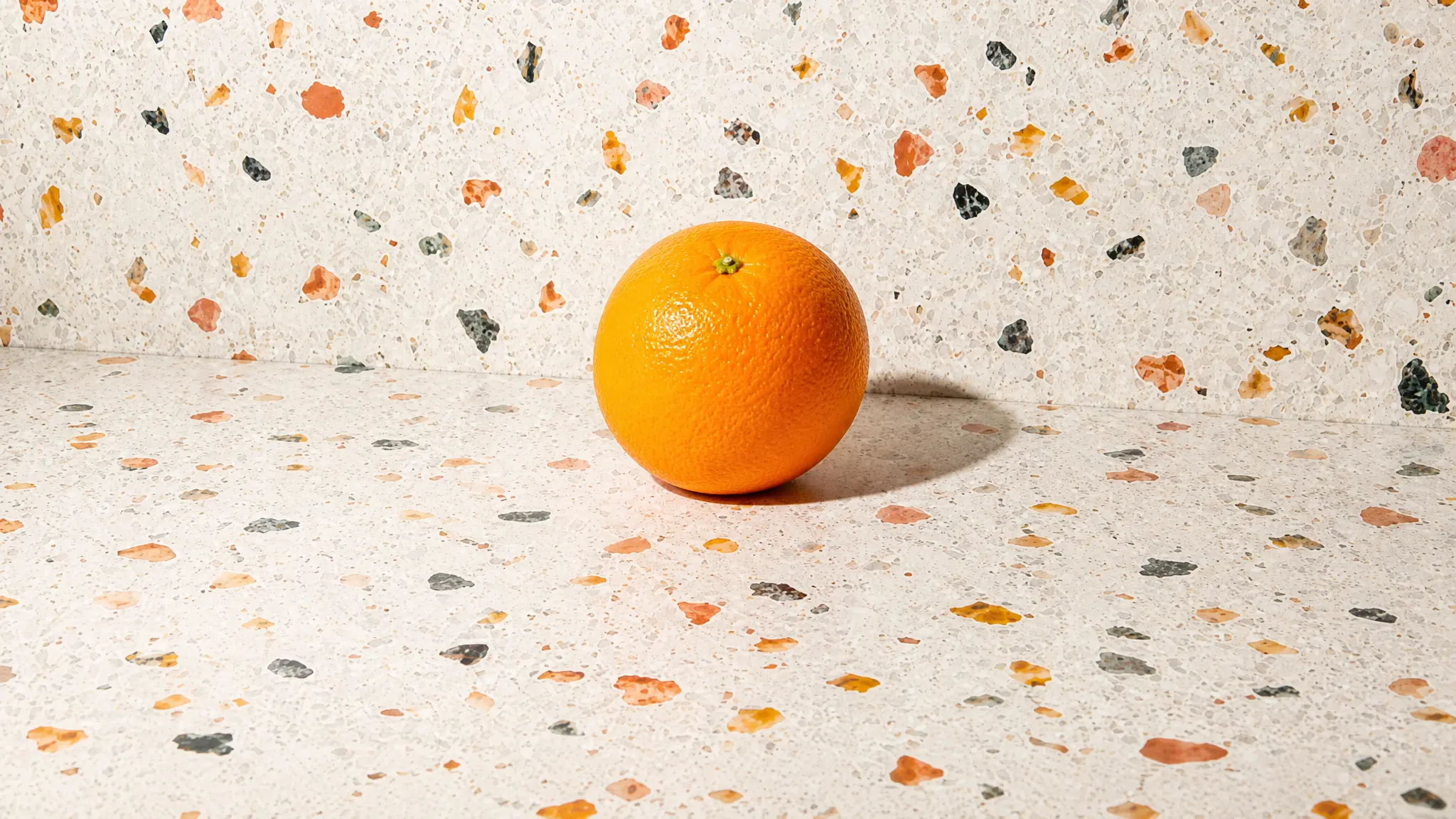
Orange
Fruit
Last updated July 5, 2026. The Tummi Food Team maintains this Can I Feed This safety guide guide. Supporting links appear in Sources when available.



Clinically reviewed by Andria Procopio and Arefa Mohamed
Direct answer
Can babies eat Orange?
Yes, oranges can be introduced around 6 months as soon as your baby starts solids; choose sweet, ripe varieties and monitor for sensitivity.
- Serve Age6+months
Most babies start solids around 6 months once they show readiness signs. Match the texture and serving size to your baby's skills.
- No Allergens
Orange is not flagged as one of the major allergens tracked in this database. Still watch your baby closely when serving any new food.
- Choking Risk123451
Lower choking risk when served in the right texture. Always supervise meals and adjust the shape for your baby.
This guide is for everyday food prep questions. Ask your pediatrician about medical concerns, feeding delays, allergy plans, or serious reactions.
How Do You Serve Orange?
How to serve Orange to babies 6 months and older
- 1Wash the orange thoroughly under running water to remove dirt and residue.
- 2Cut into large wedges (about 1/4–1/6 of the fruit) with the peel left on, and remove all seeds and membranes before offering.
- 3Give the wedge so the baby can hold the rind and bite or suck the flesh; the peel provides a natural grip.
- 4Stay within arm’s reach and watch closely; gently take the wedge away if large pieces start to come loose.
- 5If the flesh is very firm, briefly steam or warm the wedge until slightly softer, then cool before offering.
How to serve Orange to babies 9 months and older
- 1Serve small, soft, bite-sized pieces that baby can pick up and gum—remove the peel, membrane, and any seeds so the pieces are easy to eat.
- 2For biting practice, offer larger supremed segments with the membrane removed and cut into thin wedges so baby can bite and chew safely.
- 3Avoid giving small clementine-style segments still in their membrane, as they can be a choking hazard.
- 4Always supervise during feeding. Check each piece for seeds, firm bits, or remaining membrane and let baby self-feed when they show interest.
How to serve Orange to babies 18 months and older
- 1Offer larger orange segments with the white membrane left intact to encourage your child to bite and scrape while they practise chewing and swallowing.
- 2If chewing is still developing, remove the membrane and cut the orange into soft, bite-sized pieces or supreme slices so pieces are easier to manage.
- 3Serve peel-on wedges with a sturdy strip of peel as a handle for your child to hold, and trim any loose fibers before offering.
- 4Always supervise eating, adjust piece size to your child's comfort and skill, and remove any small, slippery, or loose segments that could pose a choking risk.
Is Orange a Common Allergen?
Oranges are not one of the common major food allergens (like peanuts, tree nuts, dairy, eggs, soy, wheat, fish, shellfish or sesame), but some children can react to citrus. The most common issue is oral allergy syndrome—tingling, itching, or mild swelling of the lips/mouth—or, less commonly, true allergic or GI/respiratory reactions; cross‑reactivity with pollen and orange seeds may play a role. If a child has mouth irritation, hives, swelling, difficulty breathing, or other concerning symptoms after eating orange, avoid further exposure and seek medical evaluation.
Is Orange a Choking Hazard?
Low Choking Risk
Citrus segments left in their membranes (especially small mandarins or clementines) are a choking hazard because their tapered ends and slippery texture can block the airway. Stay within arm’s reach and closely supervise when baby is eating, and be extra cautious with whole segments. Learn the signs of choking and how to perform infant/toddler choking first aid so you can respond quickly if needed.
Have More Questions?
It depends. Oranges can be stored in the refrigerator for up to a week or frozen for longer storage, but always check for spoilage before serving to your baby.
Yes. Pureed or segmented oranges can be frozen in airtight containers for up to 3 months, making it convenient to prepare in advance.
Yes. Choosing organic oranges reduces exposure to pesticides; however, conventional oranges are also safe if washed thoroughly.
Yes. You can combine small amounts of orange with other fruits or vegetables to introduce new flavors and textures to your baby.
It depends. For young babies, appropriate portion sizes are usually 1-2 small segments or a few spoonfuls of pureed orange, gradually increasing as tolerated.
Save Orange to your food log
Track foods, reactions, and prep notes in Tummi when you want to keep your baby's feeding history in one place.
Sources
- Citrus Allergy from Pollen to Clinical Symptoms (PLOS ONE, 2013) journals.plos.org
- Sugar in Infants, Children and Adolescents: A Position Paper (J Pediatr Gastroenterol Nutr, 2017) pubmed.ncbi.nlm.nih.gov
- WHO Guideline for complementary feeding of infants and young children 6–23 months of age (2023) who.int
- Oral Allergy Syndrome (OAS) — American Academy of Allergy Asthma & Immunology aaaai.org
What Other Fruit Can Babies Eat?
See all →




Source-Linked Guidance
See the evidence behind the guide.
Food guides show direct links to public-health guidance and research when supporting references are available. Source inclusion does not imply endorsement.
 Centers for Disease Control and Prevention
Developmental milestones, nutrition guidelines, and allergen introduction timelines.
 American Academy of Pediatrics
Evidence-based feeding recommendations from the leading pediatric authority.
 National Institutes of Health
Peer-reviewed research on infant nutrition, allergies, and food safety.