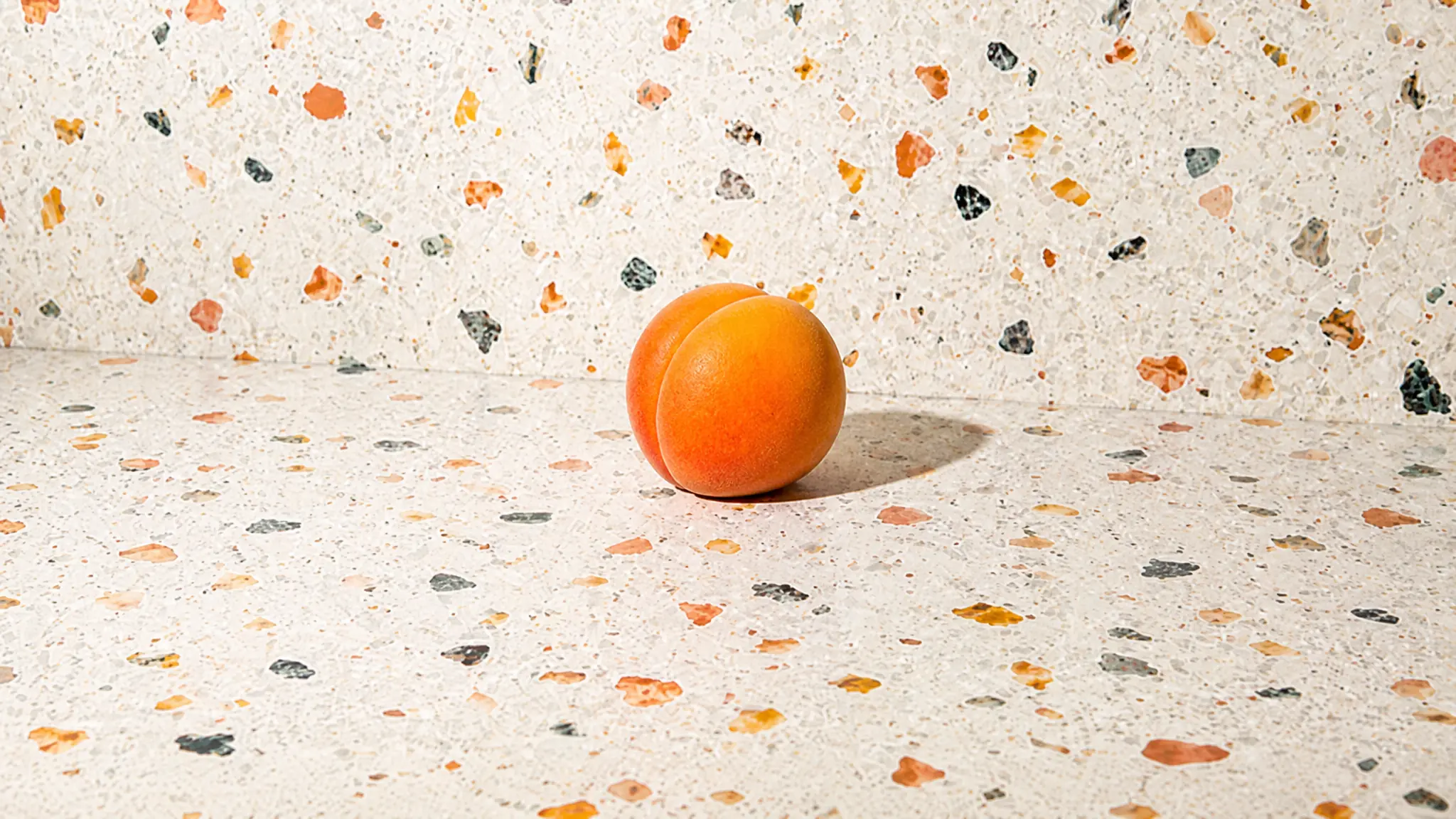
Apricot
Fruit
Last updated July 5, 2026. The Tummi Food Team maintains this Can I Feed This safety guide guide. Supporting links appear in Sources when available.



Clinically reviewed by Andria Procopio and Arefa Mohamed
Direct answer
Can babies eat Apricot?
Yes, babies can eat apricots starting at around 6 months if they are very soft, ripe, or cooked until soft.
- Serve Age6+months
Most babies start solids around 6 months once they show readiness signs. Match the texture and serving size to your baby's skills.
- No Allergens
Apricot is not flagged as one of the major allergens tracked in this database. Still watch your baby closely when serving any new food.
- Choking Risk123451
Lower choking risk when served in the right texture. Always supervise meals and adjust the shape for your baby.
This guide is for everyday food prep questions. Ask your pediatrician about medical concerns, feeding delays, allergy plans, or serious reactions.
How Do You Serve Apricot?
How to serve Apricot to babies 6 months and older
- 1Choose a very ripe apricot, cut it in half and remove the pit; press the flesh gently — it should be soft enough to mash between your fingers so baby can gum it easily.
- 2Leave the skin on to give the baby something to hold, or peel it if the skin feels tough or papery.
- 3If the piece feels slippery, roll it in shredded coconut or finely ground nuts/seeds to add traction and help your baby keep hold.
- 4If the baby struggles with the piece, mash the apricot and stir into porridge, yogurt, or a puree for safer, spoon-fed eating.
How to serve Apricot to babies 9 months and older
- 1Pick ripe, soft apricots and remove the pit; ensure each piece is soft enough to compress between your thumb and finger.
- 2Slice thinly (skin on or off) so pieces are easy to grasp; if slices are firm, serve pitted halves or cut into small, soft pieces the baby can hold.
- 3To reduce slipperiness, lightly roll tiny pieces in shredded coconut or finely ground nuts — introduce nuts cautiously.
- 4Don’t force large bite-sized pieces; supervise closely and wait until your baby reliably picks up and chews before offering bigger pieces.
How to serve Apricot to babies 24 months and older
- 1Offer a whole fresh apricot while you eat alongside your child to model biting around the pit and how to carefully remove or avoid it; take slow, small bites to show safe technique.
- 2Provide slices, halves, or small bite-sized pieces for practice, and encourage the child to take single bites and chew completely before swallowing.
- 3If a pit appears, stay calm and demonstrate how to spit it out safely and move the pit out of reach.
- 4Only serve whole dried apricots with the pit removed, and introduce them only when you’re confident in the child’s chewing and swallowing; dried fruit can be a choking hazard.
Is Apricot a Common Allergen?
Apricots are not one of the common top-9 food allergens, but some children (especially those with birch‑pollen or “stone‑fruit” sensitivities) can get oral allergy syndrome — itching or tingling in the mouth and throat after eating fresh apricot. Dried apricots are often treated with sulfites (sulfur dioxide) which can trigger reactions or asthma in sulfite‑sensitive children, so always check labels. Do not give apricot kernels (the pit) to children — they contain cyanogenic compounds and are unsafe to eat. If in doubt or if a child has pollen allergies or asthma, introduce apricot cautiously and consult your pediatrician/allergist.
Is Apricot a Choking Hazard?
Low Choking Risk
Apricots pose a choking risk because of their hard pit and because the flesh can be slippery or firm, especially when underripe. Dried apricots are also challenging to chew and increase choking risk. Stay within arm’s reach and be ready to respond quickly if your child gags or has trouble breathing.
Have More Questions?
Yes. Apricots can be stored in the refrigerator for up to 3-4 days, but for longer storage, freeze pureed apricot in airtight containers, which can last for several months.
Yes. You can freeze apricot puree in individual portions, such as ice cube trays, for easy thawing and serving as your baby transitions to new textures.
It depends. Organic apricots are grown without synthetic pesticides and fertilizers, but they can be more expensive; conventional apricots are widely available and safe as well.
Yes. You can combine apricot with other fruits like banana, pear, or berries to introduce a variety of flavors and textures in your baby's diet.
Portion sizes vary based on your baby's age and development, but start with 1-2 teaspoons of pureed apricot and gradually increase as tolerated.
Save Apricot to your food log
Track foods, reactions, and prep notes in Tummi when you want to keep your baby's feeding history in one place.
Sources
- Identification of four IgE-reactive proteins in raspberry (Rubus idaeus L.). Mol Nutr Food Res. 2008;52:1497-1506. pubmed.ncbi.nlm.nih.gov
- Allergy to grapes. Ann Allergy Asthma Immunol. 2000;84(2):265. pubmed.ncbi.nlm.nih.gov
- Gibberellin-regulated protein allergy. Allergology International. 2020;69(1):11–18. DOI:10.1016/j.alit.2019.10.017 doi.org
- Occupational Allergy to Peach (Prunus persica) Tree Pollen and Potential Cross-Reactivity between Rosaceae Family Pollens. Iranian Journal of Allergy Asthma and Immunology. 2015;14(5):483-492. ijaai.tums.ac.ir
- Oral Allergy Syndrome (OAS) Defined — American Academy of Allergy, Asthma & Immunology. aaaai.org
What Other Fruit Can Babies Eat?
See all →



Source-Linked Guidance
See the evidence behind the guide.
Food guides show direct links to public-health guidance and research when supporting references are available. Source inclusion does not imply endorsement.
 Centers for Disease Control and Prevention
Developmental milestones, nutrition guidelines, and allergen introduction timelines.
 American Academy of Pediatrics
Evidence-based feeding recommendations from the leading pediatric authority.
 National Institutes of Health
Peer-reviewed research on infant nutrition, allergies, and food safety.