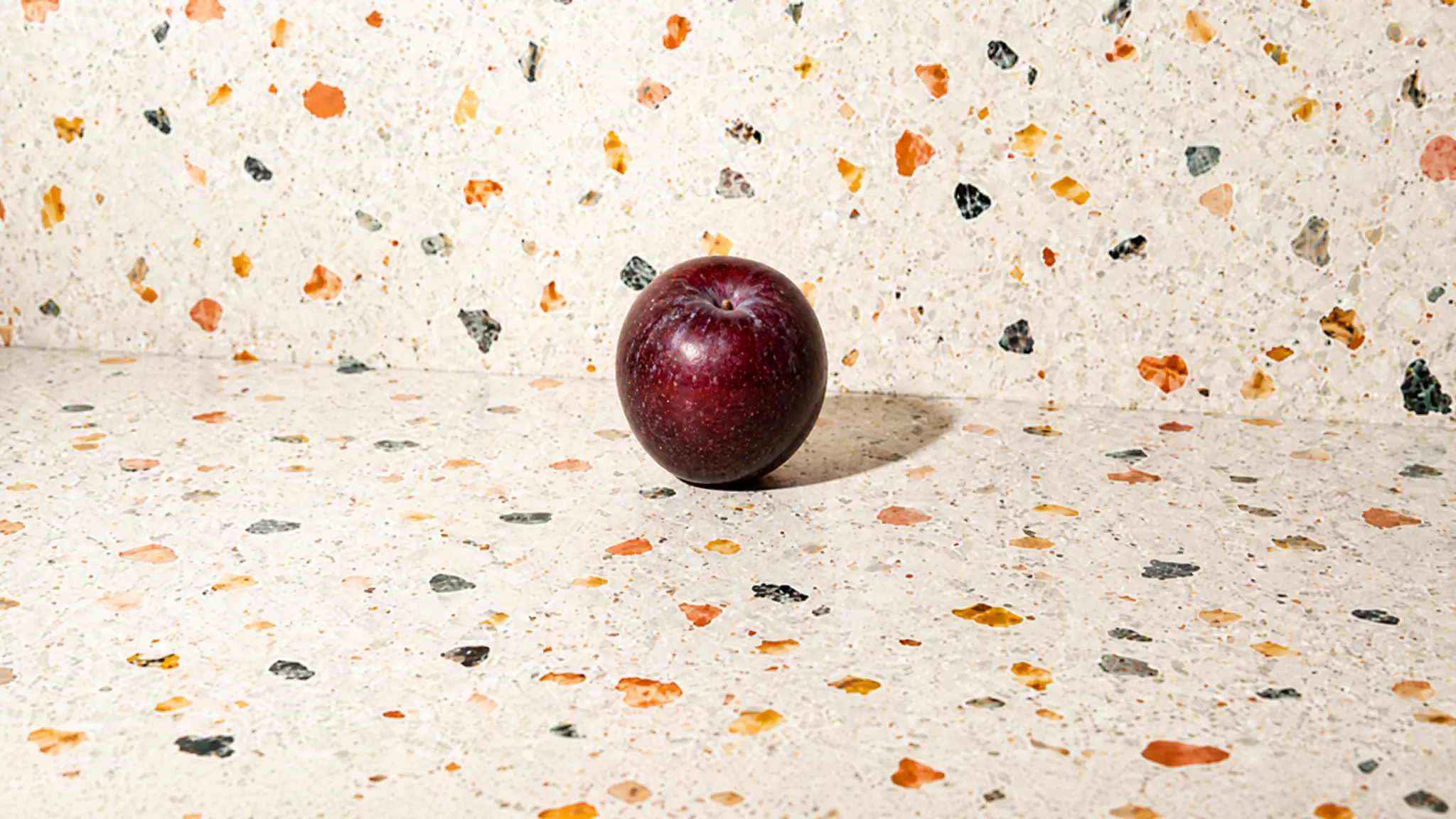
Plum
Fruit
Last updated July 5, 2026. The Tummi Food Team maintains this Can I Feed This safety guide guide. Supporting links appear in Sources when available.



Clinically reviewed by Andria Procopio and Arefa Mohamed
Direct answer
Can babies eat Plum?
Yes, babies can eat plums starting at 6 months when the fruit is soft, ripe, or cooked until soft.
- Serve Age6+months
Most babies start solids around 6 months once they show readiness signs. Match the texture and serving size to your baby's skills.
- No Allergens
Plum is not flagged as one of the major allergens tracked in this database. Still watch your baby closely when serving any new food.
- Choking Risk123451
Lower choking risk when served in the right texture. Always supervise meals and adjust the shape for your baby.
This guide is for everyday food prep questions. Ask your pediatrician about medical concerns, feeding delays, allergy plans, or serious reactions.
How Do You Serve Plum?
How to serve Plum to babies 6 months and older
- 1Offer a very ripe, soft plum half with the pit removed; leave the skin on so baby can grip it easily.
- 2Gently press the flesh—it should mash between your fingers. If it resists, slice thinner or cook briefly until soft.
- 3If a large piece comes loose, don’t put fingers into the baby’s mouth; mash the fruit and mix with a soft food or remove the pit and re-present smaller pieces.
- 4Optional: peel and roll in shredded coconut or finely ground nuts/seeds for texture, making sure toppings are very finely ground and used sparingly.
How to serve Plum to babies 9 months and older
- 1Slice soft, ripe plums thinly so each piece compresses easily when gently squeezed; the skin can stay on if it’s soft.
- 2Check ripeness by pressing—pieces should yield under gentle pressure so they can be mashed by gums.
- 3If slices are hard to pick up, offer fully pitted halves or cut into small wedges to make grasping easier.
- 4Improve traction by rolling small pieces in a thin coating of shredded coconut, finely ground nuts, or dry cereal.
- 5Always supervise feedings and remove any pieces that are too firm or large to avoid choking risk.
How to serve Plum to babies 12 months and older
- 1Remove the pit and cut a ripe plum into thin wedges or small bite-sized pieces that a child can mash easily with their gums.
- 2Test softness by pressing a piece with a fork — if it squashes easily it's safe to offer. Only use very soft fruit and avoid firm, underripe plums.
- 3For early self-feeding, pre-load a few small pieces onto a child-safe fork or offer thin, lengthwise slices that are easy to grasp.
- 4Always supervise mealtimes, have the child sit upright, and introduce new textures one at a time while watching for gagging or allergic reactions.
How to serve Plum: Varies
- 1Choose a very ripe plum with soft flesh—softness makes biting easier and reduces resistance when chewing.
- 2If offering a whole plum, demonstrate how to bite around the pit and watch every bite; stay within arm's reach to intervene quickly if needed.
- 3When unsure of a child’s chewing skill, remove the pit or slice the plum into thin wedges to lower choking risk.
- 4If a pit becomes exposed or swallowed, stay calm and remove it only if you can see and safely reach it; seek emergency help if the child coughs persistently, cannot breathe, or becomes pale or unresponsive.
Is Plum a Common Allergen?
Plums are not a common cause of true food allergy for most children, but people with birch/tree-pollen allergies can get Oral Allergy Syndrome (Pollen-Food Allergy Syndrome) from raw plums, causing itching or swelling in the mouth and throat shortly after eating. Cooking or peeling often reduces symptoms, but parents should watch for more serious reactions (hives, facial swelling, breathing difficulties) and seek urgent care if they occur. Also note that plum seeds/kernels contain amygdalin and are not safe to eat; avoid giving pits or crushed seeds to children.
Is Plum a Choking Hazard?
Low Choking Risk
Plums can be a choking hazard — underripe or firm fruit and their slippery texture increase the risk. Keep baby within arm’s reach and supervise closely during any bites, and remove any exposed pits or hard pieces immediately. Be prepared to respond calmly if your baby gags or chokes.
Have More Questions?
Yes, parents can store plums in the refrigerator for up to 3-4 days once ripe. For longer storage, they can be refrigerated or frozen after preparation.
Yes, freeze cooked or mashed plum in an airtight container or ice cube tray for up to 3 months. Thaw in the refrigerator before serving to your baby.
Yes, choosing organic plums can reduce exposure to pesticides, but conventional plums are safe to feed to babies if washed thoroughly.
Yes, combining plums with other soft fruits or vegetables can vary your baby’s diet and provide different nutrients.
For babies around 6 months, start with a small, 1-2 teaspoon serving of pureed plum, gradually increasing as tolerated.
Save Plum to your food log
Track foods, reactions, and prep notes in Tummi when you want to keep your baby's feeding history in one place.
Sources
- Anaphylactic shock during elimination diets for severe atopic eczema pmc.ncbi.nlm.nih.gov
- Oral Allergy Syndrome (OAS) Defined | American Academy of Allergy, Asthma & Immunology aaaai.org
- Allergenic cross-reactivity among peach, apricot, plum, and cherry in patients with oral allergy syndrome pubmed.ncbi.nlm.nih.gov
What Other Fruit Can Babies Eat?
See all →

Source-Linked Guidance
See the evidence behind the guide.
Food guides show direct links to public-health guidance and research when supporting references are available. Source inclusion does not imply endorsement.
 Centers for Disease Control and Prevention
Developmental milestones, nutrition guidelines, and allergen introduction timelines.
 American Academy of Pediatrics
Evidence-based feeding recommendations from the leading pediatric authority.
 National Institutes of Health
Peer-reviewed research on infant nutrition, allergies, and food safety.