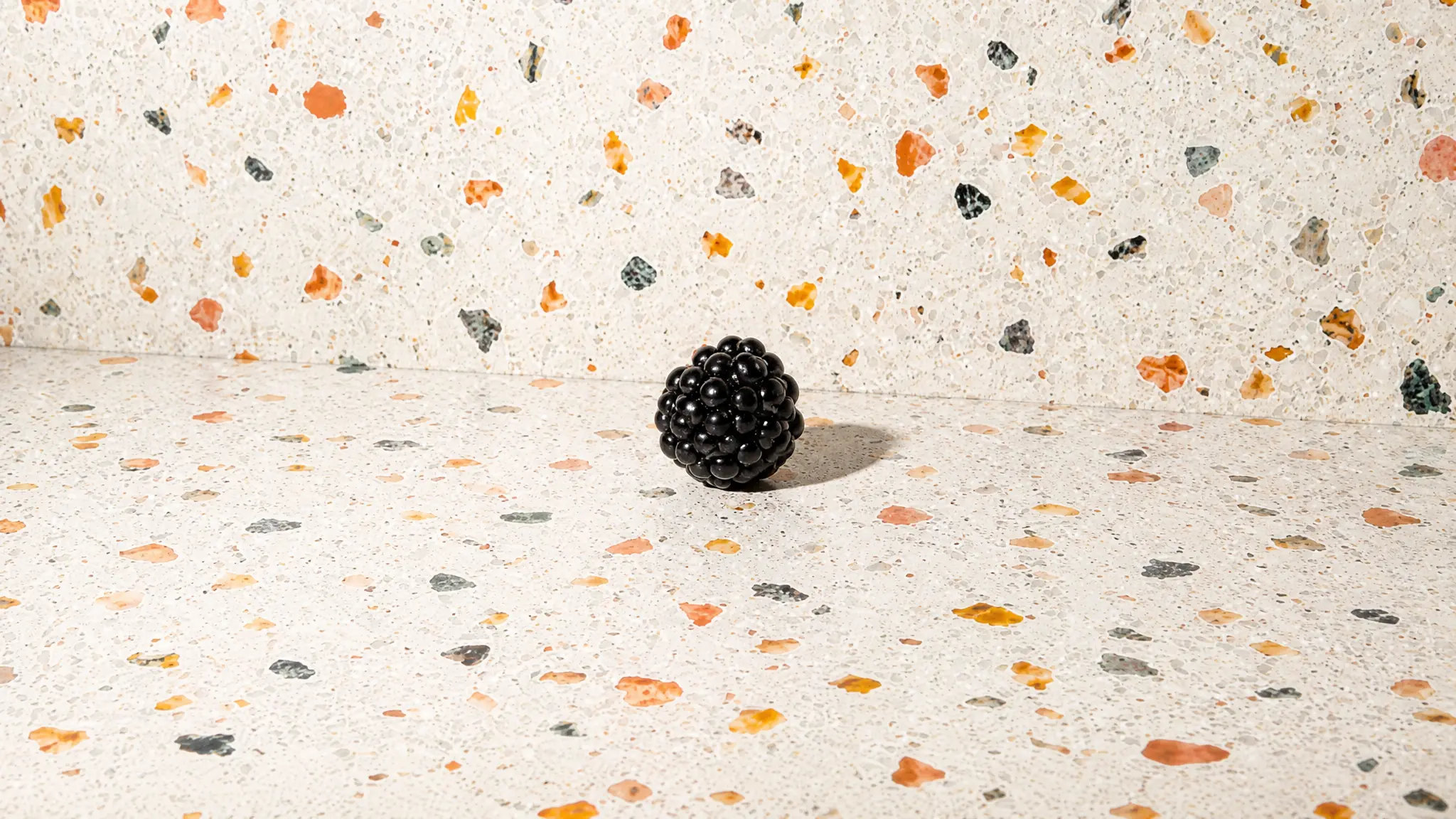

Blackberry
Fruit
Last updated July 5, 2026. The Tummi Food Team maintains this Can I Feed This safety guide guide. Supporting links appear in Sources when available.



Clinically reviewed by Andria Procopio and Arefa Mohamed
Direct answer
Can babies eat Blackberry?
Yes, blackberries can be introduced around 6 months when baby is ready for solids; serve mashed or pureed to reduce choking risk.
- Serve Age6+months
Most babies start solids around 6 months once they show readiness signs. Match the texture and serving size to your baby's skills.
- No Allergens
Blackberry is not flagged as one of the major allergens tracked in this database. Still watch your baby closely when serving any new food.
- Choking Risk123454
Higher choking risk. Watch the prep steps closely, especially because this food can be small and round and slippery.
This guide is for everyday food prep questions. Ask your pediatrician about medical concerns, feeding delays, allergy plans, or serious reactions.
How Do You Serve Blackberry?
How to serve Blackberry to babies 6 months and older
- 1Remove stems and rinse berries, then cook ripe fresh or thawed frozen blackberries over low heat until they burst and soften (about 5–8 minutes). Let cool to lukewarm before serving.
- 2For very soft berries, thoroughly mash with a fork or rub between your fingers until smooth. If you’re concerned about seeds, press the mash through a fine sieve to reduce seed bits.
- 3Stir cooked or mashed blackberries into scoopable foods like porridge, ricotta, yogurt, or mashed banana so the final texture is smooth and easy to scoop.
- 4For baked items, chop berries small or mash before adding so pieces are soft and not whole; avoid whole large berries that can be hard to chew or swallow.
- 5Serve without added sugar and introduce blackberries alone first so you can watch for any reaction.
How to serve Blackberry to babies 9 months and older
- 1Quarter very ripe, soft blackberries lengthwise to create thin, easy-to-grasp pieces that encourage the pincer grasp.
- 2If your child tends to shovel food, scatter the pieces across the tray instead of using a bowl to help slow feeding and reduce gagging risk.
- 3Remove any large stems; if seeds or texture are a concern, offer a small mashed or cooked blackberry mixture (puree or compote) instead.
- 4Always supervise while eating and check that pieces are soft and appropriately sized before serving.
How to serve Blackberry: Varies
- 1Choose very soft, ripe blackberries—pick the largest, juiciest ones (about half the size of a child’s palm) so they’re easy to bite and mash.
- 2Remove stems and slice berries as needed: halve or quarter firmer or larger berries so pieces are small and soft enough to chew.
- 3Check softness by gently pressing a berry—if it yields easily, it’s ready; if it’s springy, cut into smaller pieces before serving.
- 4Serve one piece at a time on a highchair tray and watch closely while your child eats; avoid offering whole firm berries to reduce choking risk.
Is Blackberry a Common Allergen?
Blackberries rarely cause true food allergy but can trigger oral allergy syndrome (mouth/throat itching or swelling) in people with pollen sensitivities. They are not one of the common major allergens (nuts, peanuts, dairy, egg, soy, wheat/gluten, shellfish, fish, sesame). Wash fruit well and avoid serving if there’s a risk of cross-contact with known allergens. If a child develops progressive swelling, difficulty breathing, or other severe symptoms after eating blackberries, seek emergency care and consult an allergist.
Is Blackberry a Choking Hazard?
Elevated Choking Risk
Blackberries can be a choking hazard because they’re small, round, and sometimes firm; smaller or firmer berries pose a higher risk. Stay within arm’s reach and closely watch your baby during feedings so you can respond quickly if they gag or choke. Be prepared with infant choking rescue knowledge and seek emergency help if you cannot clear an airway.
Have More Questions?
It depends. Blackberries can be stored in the refrigerator for a few days or frozen for longer storage; ensure they are properly cleaned and dried before storing.
It depends. Freezing pureed blackberries is safe and helps preserve nutrients; use airtight containers and leave some headspace for expansion.
Yes. Organic blackberries are often grown without synthetic pesticides, but whether to choose organic depends on your preference and budget.
It depends. Combining blackberries with other fruits or grains can create varied textures and flavors, but introduce new combinations gradually to monitor tolerance.
It depends. Portion sizes for babies should be small, about a teaspoon to a tablespoon of mashed blackberries, and adjusted as your baby grows and tolerates more.
Save Blackberry to your food log
Track foods, reactions, and prep notes in Tummi when you want to keep your baby's feeding history in one place.
Sources
- Chemical composition of caneberry (Rubus spp.) seeds and oils and their antioxidant potential doi.org
- Anthocyanidins and anthocyanins: colored pigments as food, pharmaceutical ingredients, and the potential health benefits doi.org
- Antioxidant Capacity of Berry Crops, Culinary Herbs and Medicinal Herbs (USDA ARS Publication #127267) naldc.nal.usda.gov
- Blackberry (Morus nigra) anaphylaxis
What Other Fruit Can Babies Eat?
See all →









Source-Linked Guidance
See the evidence behind the guide.
Food guides show direct links to public-health guidance and research when supporting references are available. Source inclusion does not imply endorsement.
 Centers for Disease Control and Prevention
Developmental milestones, nutrition guidelines, and allergen introduction timelines.
 American Academy of Pediatrics
Evidence-based feeding recommendations from the leading pediatric authority.
 National Institutes of Health
Peer-reviewed research on infant nutrition, allergies, and food safety.