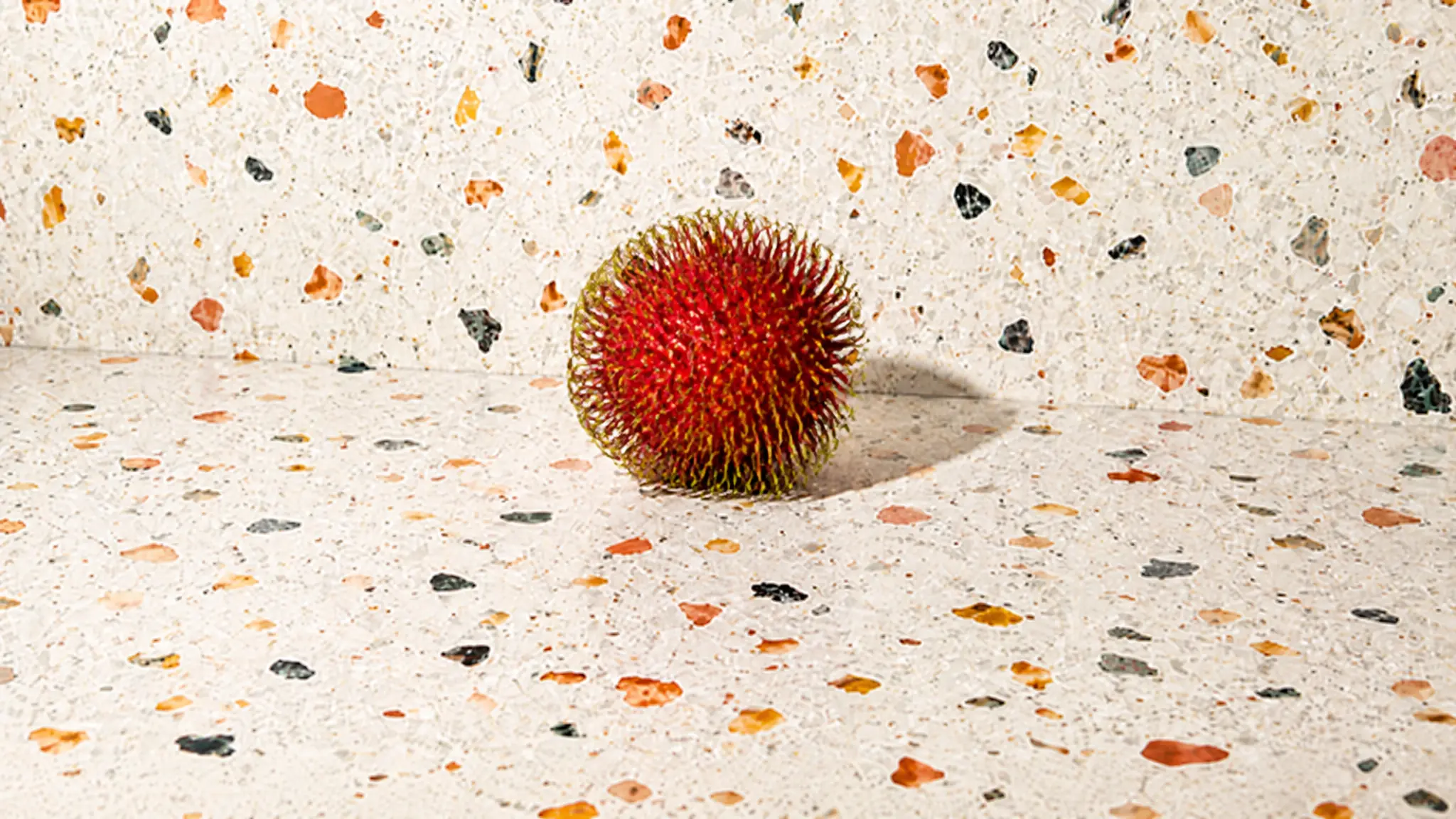
Rambutan
Fruit
Last updated July 5, 2026. The Tummi Food Team maintains this Can I Feed This safety guide guide. Supporting links appear in Sources when available.



Clinically reviewed by Andria Procopio and Arefa Mohamed
Direct answer
Can babies eat Rambutan?
Rambutan flesh can be introduced from around 6 months once a baby shows the signs of readiness for solid foods. Remove the peel and seed completely, then mash the slippery flesh or modify its size and texture to suit the baby's eating skills, with the baby seated upright and closely supervised.
- Serve Age6+months
Most babies start solids around 6 months once they show readiness signs. Match the texture and serving size to your baby's skills.
- No Allergens
Rambutan is not flagged as one of the major allergens tracked in this database. Still watch your baby closely when serving any new food.
- Choking Risk123454
Higher choking risk. Watch the prep steps closely, especially because this food can be small and round and slippery.
This guide is for everyday food prep questions. Ask your pediatrician about medical concerns, feeding delays, allergy plans, or serious reactions.
How Do You Serve Rambutan?
How to serve Rambutan to babies 6 months and older
- 1Peel and remove the seed: Make a small slit in the skin, peel away the hairy shell, then split the fruit and discard the hard inner seed.
- 2Achieve a safe texture: Finely mince the translucent pulp until it is very soft and in tiny pieces, or mash it until smooth so there are no firm chunks.
- 3Mix into a scoopable base for safer feeding: Fold the minced or mashed rambutan into congee, mashed plantain (or banana), or plain yogurt to create a cohesive, scoopable spoonful; check the temperature before serving.
- 4Start small and watch for reactions: Avoid processed sweetened rambutan and offer only a small taste at first, then wait 48–72 hours and watch for hives or swelling, persistent vomiting, or breathing changes — seek medical care if any occur.
How to serve Rambutan to babies 9 months and older
- 1Remove the shell and seed: peel away the hairy skin and discard the hard seed.
- 2Cut into small, easy-to-hold pieces — quarter the flesh or finely chop it so pieces are no larger than the width of a little finger.
- 3Offer plain for self-feeding or mixed into soft grains or fruit salads; the flesh can be slippery, so serve pieces that hold their shape.
- 4Always supervise during meals and adjust texture to your child’s chewing by mashing or chopping more finely if needed.
How to serve Rambutan: Varies
- 1Peel and discard the hairy skin: split the shell with your thumbnail or a small knife and pull out the translucent flesh.
- 2Remove and discard the seed before serving. Seeds are a choking hazard and may be toxic if eaten regularly.
- 3To reduce choking risk, cut the flesh into small pieces or slice it thinly for cautious eaters; for children who can follow instructions, teach them to bite around or gently squeeze the seed out.
- 4Always supervise while the child eats and only offer the fruit with the seed removed once they can follow simple instructions and chew reliably.
Is Rambutan a Common Allergen?
Rambutan is not a common major allergen (it is not a nut, dairy, egg, soy, gluten, fish or shellfish). However, rare IgE‑mediated reactions — including a published case of anaphylaxis — have been reported, and some people with pollen‑related oral allergy syndrome or fruit allergies can react to rambutan (it’s related to lychee/longan). If your child has known fruit allergies, pollen sensitization, or a history of severe food allergy, introduce rambutan cautiously (small amount, watch closely) and seek medical care for any hives, swelling, difficulty breathing, or other severe symptoms.
Is Rambutan a Choking Hazard?
Elevated Choking Risk
Rambutan can be a choking risk because its flesh is chewy, firm, and slippery, and both the peel and the inner seed can obstruct a baby’s airway. Remove the peel and seed before offering and be extra vigilant since pieces can slip in the mouth. Always stay within arm’s reach and supervise closely while your baby is eating rambutan.
Have More Questions?
Prepare canned rambutan by choosing fruit with no added sugar, removing any seed, and draining it before serving. Do not offer a whole canned fruit piece; mash it or modify its size and texture for your baby's eating skills, and supervise closely.
Canned rambutan can be offered once a baby is ready for solid foods, provided it has no added sugar and the seed has been removed. Drain it and do not serve a whole canned fruit piece; mash it or modify its size and texture for the baby's eating skills.
Rambutan can be one fruit in a varied diet once a baby is ready for solid foods. Remove the peel and seed completely, adapt the slippery flesh's size and texture to the baby's eating skills, and supervise while they eat.
Yes, a baby could have an allergic reaction to rambutan, although published evidence is limited to rare reports. Stop offering it and seek urgent medical help if symptoms suggest a severe allergic reaction, such as breathing difficulty or swelling of the tongue or throat.
Yes, rambutan can present a choking risk because the fruit contains a hard seed and its flesh can be slippery. Remove the peel and seed completely, then mash the flesh or modify its size and texture for the baby's eating skills, with the baby seated upright and closely supervised.
Save Rambutan to your food log
Track foods, reactions, and prep notes in Tummi when you want to keep your baby's feeding history in one place.
Sources
- A Critical Review on Tropical Fruits Seeds as Prospective Sources of Nutritional and Bioactive Compounds for Functional Foods Development: A Case of Indonesian Exotic Fruits doi.org
- Metabolite Profiling of Rambutan (Nephelium lappaceum L.) Seeds Using UPLC-qTOF-MS/MS and Senomorphic Effects in Aged Human Dermal Fibroblasts doi.org
- Anaphylaxis after initial ingestion of rambutan, a tropical fruit doi.org
- Glyceraldehyde-3-phosphate dehydrogenase as a major allergen in rambutan-induced anaphylaxis doi.org
- Beneficial Effects of Dietary Polyphenols on Gut Microbiota and Strategies to Improve Delivery Efficiency doi.org
- Functional and nutritional properties of selected Amazon fruits: A review doi.org
- Comparative content of total polyphenols and dietary fiber in tropical fruits and persimmon doi.org
- Oral Allergy Syndrome (Beyond the Basics) - UpToDate uptodate.com
What Other Fruit Can Babies Eat?
See all →



Source-Linked Guidance
See the evidence behind the guide.
Food guides show direct links to public-health guidance and research when supporting references are available. Source inclusion does not imply endorsement.
 Centers for Disease Control and Prevention
Developmental milestones, nutrition guidelines, and allergen introduction timelines.
 American Academy of Pediatrics
Evidence-based feeding recommendations from the leading pediatric authority.
 National Institutes of Health
Peer-reviewed research on infant nutrition, allergies, and food safety.