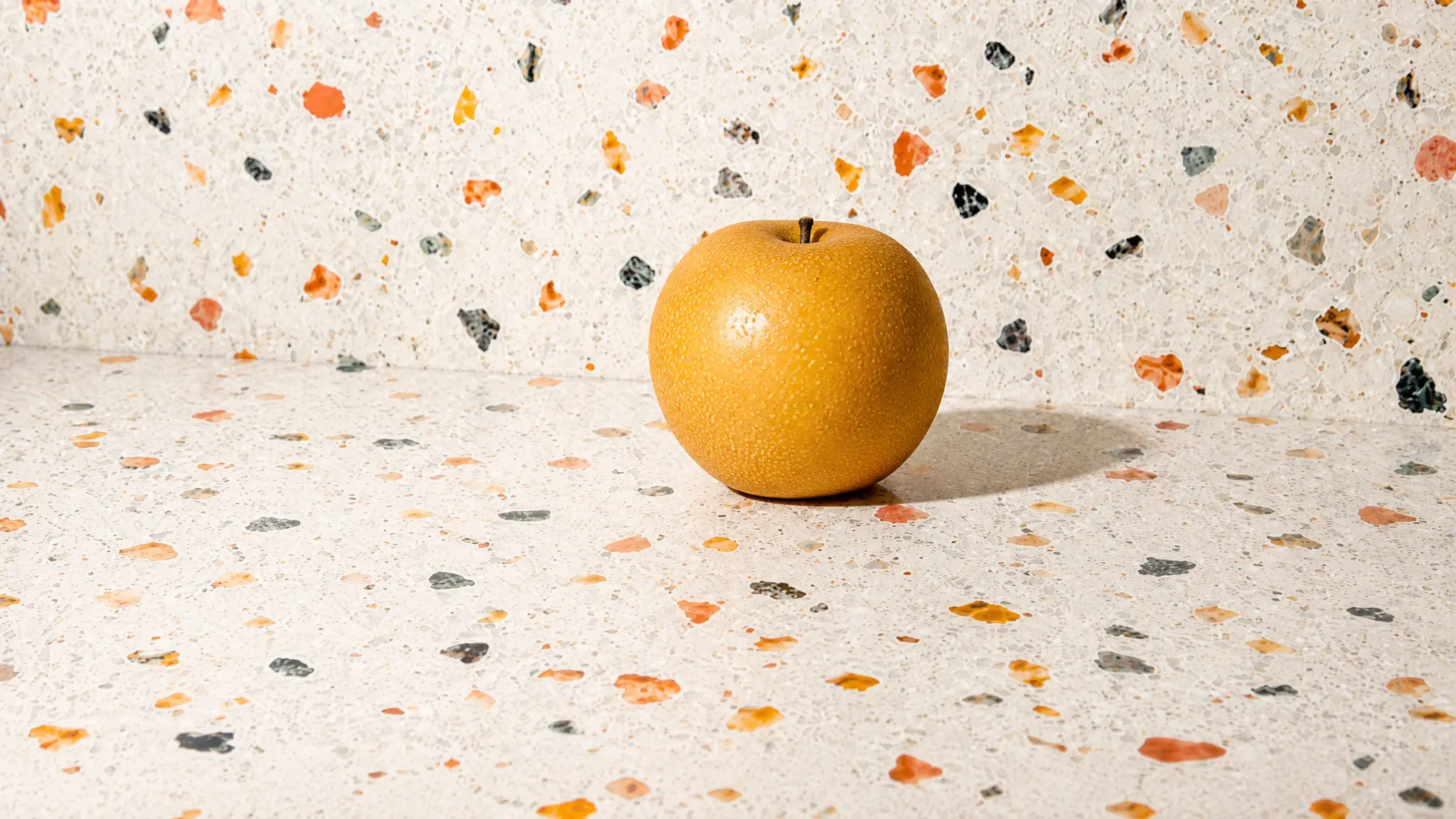
Asian Pear
Fruit
Last updated July 5, 2026. The Tummi Food Team maintains this Can I Feed This safety guide guide. Supporting links appear in Sources when available.



Clinically reviewed by Andria Procopio and Arefa Mohamed
Direct answer
Can babies eat Asian Pear?
Yes, Asian pear can be introduced around 6 months of age when your baby is ready for solids, with appropriate preparation to reduce choking risk.
- Serve Age6+months
Most babies start solids around 6 months once they show readiness signs. Match the texture and serving size to your baby's skills.
- No Allergens
Asian Pear is not flagged as one of the major allergens tracked in this database. Still watch your baby closely when serving any new food.
- Choking Risk123453
Some choking risk. Use the prep section to change the size, shape, or texture before serving.
This guide is for everyday food prep questions. Ask your pediatrician about medical concerns, feeding delays, allergy plans, or serious reactions.
How Do You Serve Asian Pear?
How to serve Asian Pear to babies 9 months and older
- 1Cook until very soft — remove the core and stem; peeling is optional, then steam, simmer, or roast until the flesh is easily mashed.
- 2Offer large, easy-to-grasp wedges or halves with the cooked flesh facing up so your baby can hold and nibble; keep skin on only if it’s soft and your baby manages textures well.
- 3Reserve some mashed pear for scooping or stirring into yogurt or cereal to introduce a softer texture and make eating easier.
- 4For extra grip and mild flavor, roll pieces in finely ground seeds or shredded coconut; ensure any seeds are finely ground to reduce choking risk.
How to serve Asian Pear to babies 12 months and older
- 1Offer large, soft-cooked pear halves or introduce raw slices cut into thin rounds or half-moons about 1 cm thick; leave the skin on or peel it—both are fine.
- 2Remove the core and seeds and check for any hard bits; if raw slices are still firm, steam or poach briefly until tender.
- 3Serve cooled to room temperature and place the piece within easy reach so the baby can self-feed and practice chewing.
- 4Stay within arm’s reach and watch closely while they chew. Do not put your fingers into the baby’s mouth—allow them time to chew or spit out pieces on their own.
How to serve Asian Pear to babies 18 months and older
- 1Core the pear and cut into thin half‑moon slices about 1 cm thick so the child can grasp a slice with fingers; leave the skin on if tolerated to help pieces hold together and add texture.
- 2Test each slice before serving: press gently to ensure it's soft enough to mash with your thumbnail but not mushy. If too firm, pare or lightly steam until tender.
- 3Serve the slices flat (half‑moon shape) so they're easy to hold — avoid long strips and small hard chunks that could be choking hazards.
- 4Always have the child seated and closely supervised while eating, encourage chewing, and remove any leftover hard pieces.
How to serve Asian Pear to babies 24 months and older
- 1Offer small, bite-sized pieces of raw Asian pear with the core and seeds removed so the child can practice biting and chewing while you supervise.
- 2Start with thin slices or narrow wedges — these are easier for little mouths to manage than thick pieces.
- 3If the skin seems tough or causes gagging, peel the pear or remove most of the skin; leave a thin stripe only if your child tolerates it well.
- 4Have the child sit still and supervise each bite closely; delay giving large wedges or whole sections until they consistently take appropriate-sized bites and chew effectively.
Is Asian Pear a Common Allergen?
Asian pear is not a common major allergen, but people with birch or apple pollen allergies can get oral allergy syndrome (itchy or swollen mouth/throat) after eating fresh pears. Pear seeds contain trace cyanogenic compounds—typical ingestion of a few seeds is not harmful, but avoid letting toddlers eat seeds. Cut pear into small, age-appropriate pieces to reduce choking risk. If a child has known pollen-related food reactions, introduce pear cautiously and watch for symptoms.
Is Asian Pear a Choking Hazard?
Moderate Choking Risk
Asian pear is firm and slippery, which increases choking risk for babies because pieces can be hard to control in the mouth. Stay within arm’s reach during meals, watch closely for gagging or choking, and give your child a moment to manage a piece before intervening. Be familiar with infant choking first aid so you can act quickly if needed.
Have More Questions?
It depends. When introducing Asian pears, consider peeling and slicing them into small, manageable pieces to ensure easy chewing and digestion for your baby.
It depends. You can freeze Asian pear purees for later use, but ensure they are stored in airtight containers and thawed safely before offering to your baby.
It depends. Organic Asian pears are grown without synthetic pesticides, making them a good option if you prefer organic produce for your baby's diet.
It depends. Combining Asian pears with other fruits or vegetables can introduce a broader range of flavors and nutrients, but do so gradually and observe for any reactions.
It depends. For portion sizes, start with small quantities like a few teaspoons and gradually increase as your baby's appetite and tolerance grow.
Save Asian Pear to your food log
Track foods, reactions, and prep notes in Tummi when you want to keep your baby's feeding history in one place.
Sources
What Other Fruit Can Babies Eat?
See all →


Source-Linked Guidance
See the evidence behind the guide.
Food guides show direct links to public-health guidance and research when supporting references are available. Source inclusion does not imply endorsement.
 Centers for Disease Control and Prevention
Developmental milestones, nutrition guidelines, and allergen introduction timelines.
 American Academy of Pediatrics
Evidence-based feeding recommendations from the leading pediatric authority.
 National Institutes of Health
Peer-reviewed research on infant nutrition, allergies, and food safety.