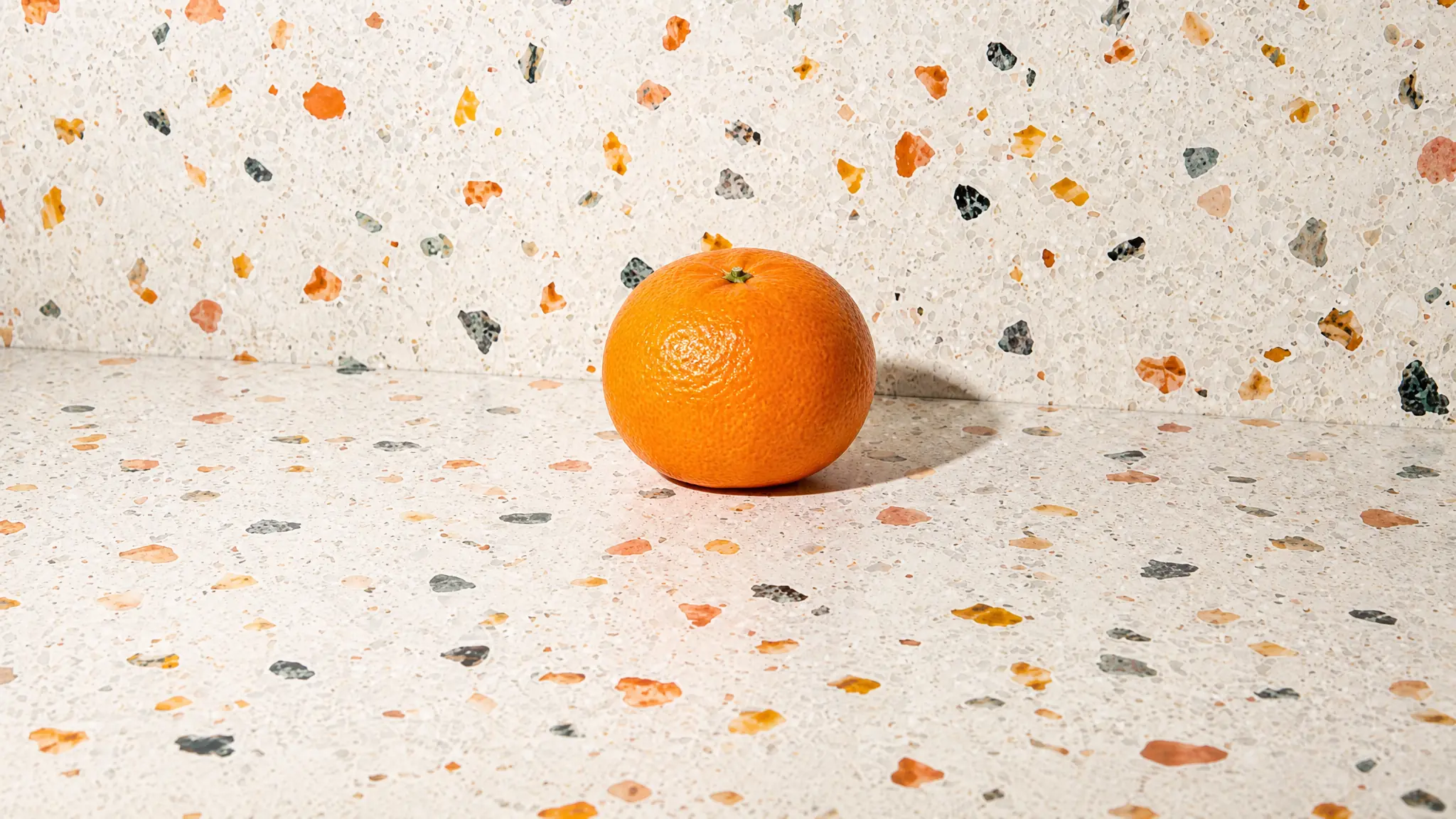
Mandarin Orange
Fruit
Last updated July 5, 2026. The Tummi Food Team maintains this Can I Feed This safety guide guide. Supporting links appear in Sources when available.



Clinically reviewed by Andria Procopio and Arefa Mohamed
Direct answer
Can babies eat Mandarin Orange?
Yes, mandarins can be introduced around 6 months of age when they are peeled and offered in small, manageable pieces.
- Serve Age6+months
Most babies start solids around 6 months once they show readiness signs. Match the texture and serving size to your baby's skills.
- No Allergens
Mandarin Orange is not flagged as one of the major allergens tracked in this database. Still watch your baby closely when serving any new food.
- Choking Risk123452
Lower choking risk when served in the right texture. Always supervise meals and adjust the shape for your baby.
This guide is for everyday food prep questions. Ask your pediatrician about medical concerns, feeding delays, allergy plans, or serious reactions.
How Do You Serve Mandarin Orange?
How to serve Mandarin Orange to babies 6 months and older
- 1Peel away membranes and remove any seeds, then mash segments until completely smooth; canned mandarins labeled membrane-free are an easy shortcut.
- 2Serve plain or spoon a small amount onto scoopable foods like yogurt to help your baby handle the texture.
- 3If the mash is too thick, thin with a little breast milk, formula, or water until scoopable.
- 4Always check temperature, offer small spoonfuls while supervising, and refrigerate leftovers in a sealed container for up to 48 hours.
How to serve Mandarin Orange to babies 9 months and older
- 1Cut off the top (stem end) and gently lift each segment out of its thin membrane pocket; serve whole segments only if the child reliably chews.
- 2If chewing is uncertain, slice segments into short, 1–2 cm pieces or cut each segment lengthwise to make them easier to manage.
- 3For extra safety, peel away the thin membranes so only the soft flesh remains; this lowers choking risk.
- 4Always have the child sit upright and supervise closely while eating—no running or playing.
How to serve Mandarin Orange to babies 18 months and older
- 1Peel the mandarin and separate into segments, remove any seeds, then slice each segment once lengthwise so pieces are shorter and easier to bite.
- 2If the child is still learning to chew, gently remove the thin white membrane and cut segments into small, bite-sized pieces about 1/2–1 cm across.
- 3Offer one larger segment with some peel attached for tearing and biting practice, and model taking small bites.
- 4Always sit with your child while they eat, coach them to take small bites rather than placing whole segments in their mouth, and remove any pieces that seem too large.
How to serve Mandarin Orange to babies 24 months and older
- 1Demonstrate and guide your child to peel a whole mandarin as a fine-motor activity, letting them use both hands and praising attempts.
- 2Show the peeling steps slowly, then encourage them to try while you stay close and ready to help.
- 3Offer a single whole mandarin segment once they can peel and chew reliably; always supervise closely while they eat.
- 4If they hesitate, cough, or struggle, return to halved or bite-sized pieces and try again later.
Is Mandarin Orange a Common Allergen?
Mandarin oranges are fresh citrus and are not commonly associated with the major food allergens (milk, eggs, fish, shellfish, tree nuts, peanuts, wheat/gluten, soy, sesame). However, some individuals can have citrus allergies or oral allergy syndrome (itching or tingling in the mouth) due to pollen cross-reactivity, and the peel or oils can irritate sensitive skin. Cut into age-appropriate pieces to reduce choking risk for young children.
Is Mandarin Orange a Choking Hazard?
Low Choking Risk
Mandarin segments left in their thin membranes are a notable choking hazard—their slippery, tapered shape can easily block a small airway. Closely supervise any baby eating mandarins and stay within arm’s reach during mealtimes, especially for younger infants or those with uncertain chewing/swallowing skills. If you’re unsure about your child’s ability to handle small pieces, check with your pediatrician or a feeding specialist.
Have More Questions?
It depends. Most babies can have mandarins around 6 months, but always check with your pediatrician before introducing new fruits.
Yes. Mandarins are a good source of vitamins and liquids, supporting hydration and immune health in babies.
No. While citrus sensitivity is uncommon, some babies with pollen allergies may react; monitor for any signs of allergy.
Yes. Segments with membranes can be a choking hazard; always prepare mandarins in age-appropriate sizes and textures.
It depends. Small amounts of mandarin juice can be offered after 12 months, but it's best to limit sugary drinks for toddlers.
Save Mandarin Orange to your food log
Track foods, reactions, and prep notes in Tummi when you want to keep your baby's feeding history in one place.
Sources
- Clementine juice has the potential for drug interactions - Theile et al., European Journal of Pharmaceutical Sciences (2017) doi.org
- Citrus allergy from pollen to clinical symptoms - Iorio et al., PLoS One (2013) doi.org
- Pollen Food Allergy Syndrome - American Academy of Allergy Asthma & Immunology aaaai.org
- Sugar in Infants, Children and Adolescents: A Position Paper - Fidler et al., Journal of Pediatric Gastroenterology and Nutrition (2017) doi.org
What Other Fruit Can Babies Eat?
See all →



Source-Linked Guidance
See the evidence behind the guide.
Food guides show direct links to public-health guidance and research when supporting references are available. Source inclusion does not imply endorsement.
 Centers for Disease Control and Prevention
Developmental milestones, nutrition guidelines, and allergen introduction timelines.
 American Academy of Pediatrics
Evidence-based feeding recommendations from the leading pediatric authority.
 National Institutes of Health
Peer-reviewed research on infant nutrition, allergies, and food safety.