Cacao
Fruit
Last updated July 5, 2026. The Tummi Food Team maintains this Can I Feed This safety guide guide. Supporting links appear in Sources when available.



Clinically reviewed by Andria Procopio and Arefa Mohamed
Direct answer
Can babies eat Cacao?
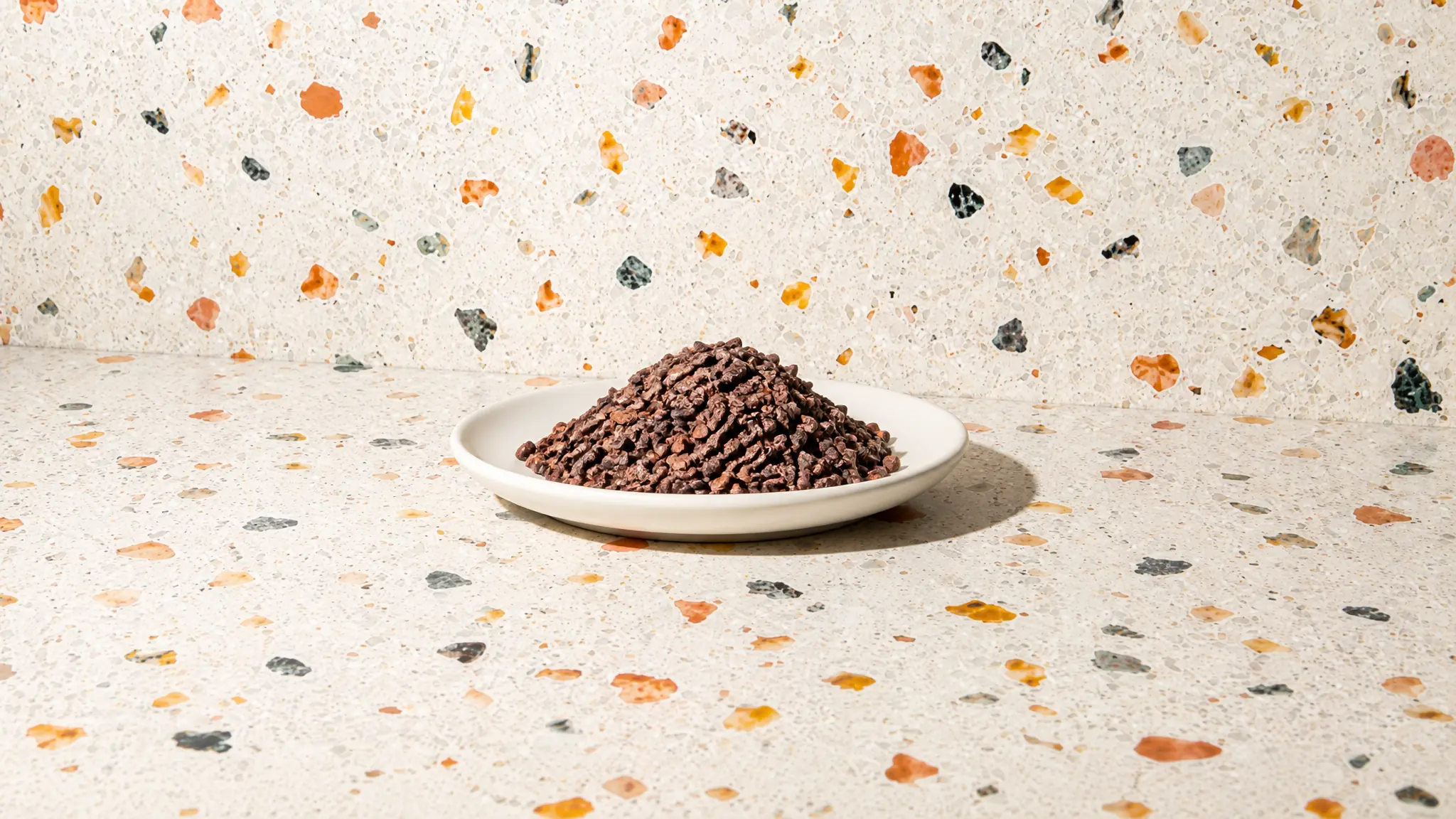
Yes, a small amount of cacao can be introduced around 6 months once your baby is developmentally ready for solids. Mix cacao powder into a soft food, avoid hard beans, nibs, or chunks, and remember that cacao products can contain caffeine, added sugar, and other allergens.
- Serve Age6+months
Most babies start solids around 6 months once they show readiness signs. Match the texture and serving size to your baby's skills.
- No Allergens
Cacao is not flagged as one of the major allergens tracked in this database. Still watch your baby closely when serving any new food.
- Choking Risk123451
Lower choking risk when served in the right texture. Always supervise meals and adjust the shape for your baby.
This guide is for everyday food prep questions. Ask your pediatrician about medical concerns, feeding delays, allergy plans, or serious reactions.
How Do You Serve Cacao?
How to serve Cacao: 3 years +
- 1Offer cacao in small amounts as part of a balanced diet and be mindful of its caffeine content.
- 2Only allow tasting when the child reliably takes small bites and follows instructions; avoid overfilling the mouth to lower choking risk.
- 3Demonstrate a small bite and show the bean so the child knows what to expect. Spit the bean into a napkin or container and practice once while supervised.
- 4Keep a calm, seated environment, stay within arm’s reach, and remove distractions so you can respond quickly.
How to serve Cacao to babies 6 months and older
- 1Start with very small tastes when your baby first tries solids — offer about a teaspoon and observe for reactions; limit servings because cacao contains caffeine.
- 2Use finely ground cacao powder or very finely crushed nibs mixed into scoopable foods (porridge, yogurt, mashed banana) so it can be fed with a spoon and swallowed easily.
- 3If offering cacao pulp, always remove the bean and cut or mash the pulp to eliminate slippery whole pieces that could cause gagging.
- 4Never give whole cacao nibs, whole beans, or chocolate candies — these are firm and pose a high choking hazard.
How to serve Cacao to babies 12 months and older
- 1Offer cacao only occasionally and in very small amounts because it contains caffeine; aim for a pinch or about 1/4–1/2 teaspoon of cacao powder per serving.
- 2Use safe forms: add cacao powder to baked goods, sprinkle lightly on yogurt or warm cereal, or stir finely ground cacao into smoothies or granola so it is fully incorporated.
- 3Do not give whole cacao beans, unprocessed nibs, or chocolate candy — they are choking hazards and often high in sugar. Always remove any visible pieces before serving.
- 4Avoid alcoholic or heavily sweetened mixes; a small sip of an alcohol-free, lightly sweetened cacao drink is acceptable as an occasional treat, and watch for any caffeine sensitivity.
How to serve Cacao to babies 24 months and older
- 1Keep offering cacao in small amounts, and be mindful it contains caffeine—avoid giving it close to nap or bedtime.
- 2Prefer cacao that's mixed into soft foods (like baked goods, smoothies, or puddings) rather than loose pieces to reduce choking risk.
- 3Do not give loose cacao nibs or hard chocolate candies, as these are higher choking hazards and are best avoided.
- 4Introduce whole nibs or small pieces only after the child consistently follows mealtime directions, chews varied textures well, and stays seated while eating; supervise closely and start with a very small portion.
Is Cacao a Common Allergen?
True allergy to cacao (cocoa) is uncommon but has been reported and can cause hives, gastrointestinal or respiratory symptoms, and rarely anaphylaxis. More often, reactions to chocolate products come from added ingredients (milk, nuts, soy) or cross-reactivity (for example with latex or certain tree nuts), so always check labels and possible cross-contact. If your child has known severe food or/or latex allergies, treat cacao-containing products with caution and discuss testing with an allergist. For breathing difficulty or anaphylaxis seek emergency care immediately.
Is Cacao a Choking Hazard?
Very Low Choking Risk
Whole cacao beans and cacao nibs are hard and round, making them a high choking hazard for infants and young toddlers. The slippery cacao fruit pulp is less risky once the inner bean has been removed, but always keep children seated and within arm’s reach while they eat. Be prepared to act if a child gags or struggles to breathe—seek immediate help if they cannot cough, cry, or breathe.
Have More Questions?
Yes, a baby can have a small amount of cacao around 6 months once developmentally ready for solids. Mix cacao powder into a soft food, avoid products with added sugar, and account for caffeine from all foods and drinks because amounts vary among cacao products.
No, cacao-containing foods should not be a routine toddler snack, particularly when they contain added sugar or appreciable caffeine. An occasional small amount can fit into the diet; check the label for caffeine where stated and for ingredients such as milk, soy, peanuts, or tree nuts.
Yes, a baby can have an allergic reaction to cacao, although confirmed cocoa allergy has been reported only rarely. Chocolate and cacao products may also contain or have cross-contact with allergens such as milk, peanuts, or tree nuts, so check the product's ingredient and allergen information.
No, do not give a baby hard cacao beans, nibs, or chocolate chunks. Use finely ground cacao powder mixed thoroughly into a soft food instead, and keep your baby seated and closely supervised while eating.
Yes, cacao fruit pulp can be offered around 6 months once your baby is developmentally ready for solids. Remove the hard bean completely, then mash or finely chop the pulp to match your baby's eating skills, and supervise while they eat.
Save Cacao to your food log
Track foods, reactions, and prep notes in Tummi when you want to keep your baby's feeding history in one place.
Sources
- The Safety of Ingested Caffeine: A Comprehensive Review frontiersin.org
- Psychopharmacology of theobromine in healthy volunteers link.springer.com
- Caffeine Intake from Food and Beverage Sources and Trends among Children and Adolescents pmc.ncbi.nlm.nih.gov
- Cocoa and Dark Chocolate Polyphenols: From Biology to Clinical Applications frontiersin.org
- Not so sweet: True chocolate and cocoa allergy pmc.ncbi.nlm.nih.gov
- Potential Applicability of Cocoa Pulp (Theobroma cacao L) as an Adjunct for Beer Production onlinelibrary.wiley.com
- GRN No. 947 - GRAS Notices (U.S. Food & Drug Administration) cfsanappsexternal.fda.gov
- WHO Guideline for complementary feeding of infants and young children 6–23 months of age who.int
- Sugar in Infants, Children and Adolescents: A Position Paper of ESPGHAN Committee on Nutrition pubmed.ncbi.nlm.nih.gov
What Other Fruit Can Babies Eat?
See all →




Source-Linked Guidance
See the evidence behind the guide.
Food guides show direct links to public-health guidance and research when supporting references are available. Source inclusion does not imply endorsement.
 Centers for Disease Control and Prevention
Developmental milestones, nutrition guidelines, and allergen introduction timelines.
 American Academy of Pediatrics
Evidence-based feeding recommendations from the leading pediatric authority.
 National Institutes of Health
Peer-reviewed research on infant nutrition, allergies, and food safety.