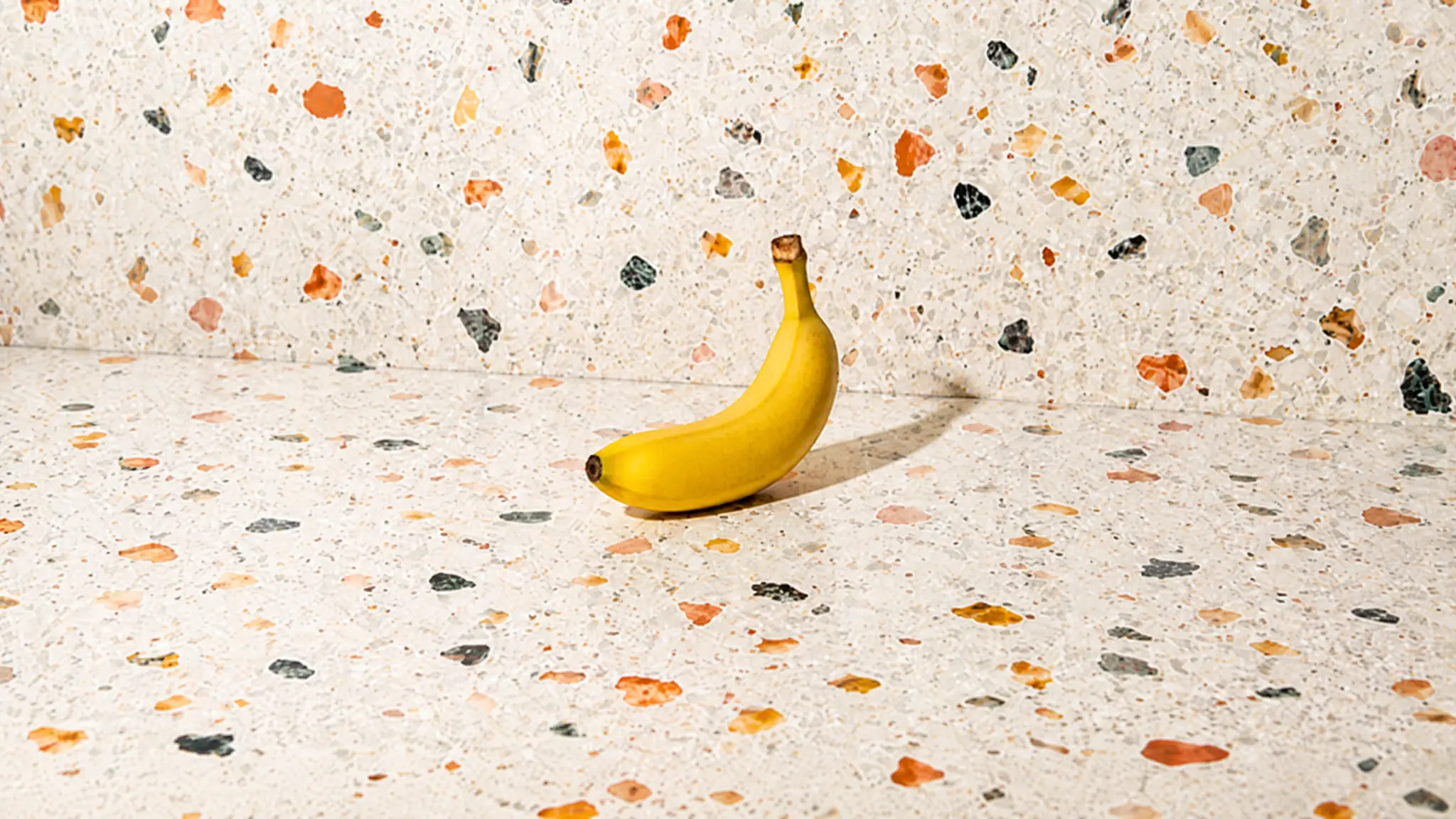

Banana
Fruit
Last updated July 5, 2026. The Tummi Food Team maintains this Can I Feed This safety guide guide. Supporting links appear in Sources when available.



Clinically reviewed by Andria Procopio and Arefa Mohamed
Direct answer
Can babies eat Banana?
Yes, bananas can be introduced around 6 months of age, when babies are ready for solids, and should be prepared in age-appropriate, soft forms.
- Serve Age6+months
Most babies start solids around 6 months once they show readiness signs. Match the texture and serving size to your baby's skills.
- No Allergens
Banana is not flagged as one of the major allergens tracked in this database. Still watch your baby closely when serving any new food.
- Choking Risk123451
Lower choking risk when served in the right texture. Always supervise meals and adjust the shape for your baby.
This guide is for everyday food prep questions. Ask your pediatrician about medical concerns, feeding delays, allergy plans, or serious reactions.
How Do You Serve Banana?
How to serve Banana to babies 6 months and older
- 1Peel the banana and offer about half; cut lengthwise into long spears so baby can hold and self-feed.
- 2Or mash and pre-load a small spoon so the baby can practice spoon skills with manageable bites.
- 3Banana can be soft and sticky and might cling to the roof of the mouth. Lengthwise spears are safer if gagging happens often.
- 4Always supervise at arm's reach and keep baby sitting upright during meals to reduce choking risk.
How to serve Banana to babies 9 months and older
- 1Cut into spears by slicing a peeled banana lengthwise into thirds; offer full spears for an easy hold or break each spear into shorter pieces if your child tends to stuff food.
- 2Slice into small, round pieces (about 1/2 inch) to encourage pincer-grasp practice and make picking up easier.
- 3Choose a slightly firm banana and gently pat pieces dry to reduce slipperiness; you can also press pieces into yogurt or oatmeal so they stay in place.
- 4Adjust piece size and length so pieces are easy to pick up and not overly soft; supervise closely and remove any large or mushy chunks before serving.
How to serve Banana to babies 18 months and older
- 1Offer a whole banana on a plate and demonstrate how to pinch and peel the skin. Let them try with hand-over-hand help until they gain confidence.
- 2If peeling feels too hard, prepare long spears or small, soft bite-sized pieces that are easy to pick up and chew.
- 3Encourage your child to lead peeling practice—model each step, then step back and offer help only when needed.
- 4Stay within arm's reach while they peel and eat, and remove any large or hard pieces if they have trouble chewing.
Is Banana a Common Allergen?
Bananas are not a common trigger for major food allergies (peanut, tree nut, dairy, egg, gluten, soy, fish, shellfish, sesame), but can cause oral allergy symptoms in people with pollen allergies and show cross-reactivity with latex (latex–fruit syndrome) and other fruits. Reactions are usually mild (itchy mouth, throat swelling) but rarely can be more severe—seek medical care if breathing, widespread hives, vomiting, or collapse occur. If your child has a known latex allergy or pollen-related food reactions, exercise caution and discuss testing with an allergist. Also note choking risk for infants—serve mashed or appropriately sized pieces.
Is Banana a Choking Hazard?
Low Choking Risk
Bananas are generally low risk for choking, but their soft, sticky texture can trigger gagging in some babies. Always stay within arm’s reach during meals and watch for signs that your baby is struggling to chew or clear food. If gagging is frequent or your baby has trouble managing textures, consult your pediatrician or a feeding specialist for personalized advice.
Have More Questions?
Yes. You can store bananas at room temperature until ripe, then keep them in the fridge to slow spoilage. It's best to peel and refrigerate once fully ripe for longer storage.
Yes. Freezing banana purees is a great way to extend their shelf life; just transfer pureed bananas into an airtight container or ice cube tray and freeze.
Yes. Buying organic bananas reduces exposure to pesticides, but conventional bananas are also safe; washing them thoroughly is recommended regardless of type.
Yes. Combining bananas with other fruits or vegetables for your baby is safe and helps introduce new flavors; just ensure textures are age-appropriate.
Yes. For babies starting solids, small portions of about 1-2 tablespoons are recommended initially, gradually increasing as they adapt and show readiness.
Save Banana to your food log
Track foods, reactions, and prep notes in Tummi when you want to keep your baby's feeding history in one place.
Sources
- Bioactive compounds in banana and their associated health benefits - A review (Singh et al., 2016) doi.org
- Dietary fiber and prebiotics and the gastrointestinal microbiota (Holscher, 2017) doi.org
- Banana starch: production, physiochemical properties, and digestibility—a review (Zhang et al., 2004) doi.org
- Evaluation of banana hypersensitivity among a group of atopic egyptian children (El-Sayed et al., 2013) doi.org
- Heterogeneity of banana allergy (Grob et al., 2002) doi.org
- Emerging triggers of food protein-induced enterocolitis syndrome (Blackman et al., 2019) doi.org
- The perceived effect of various foods and beverages on stool consistency (Müller-Lissner et al., 2005) doi.org
- Health Benefits of Green Banana Consumption: A Systematic Review (Falcomer et al., 2019) doi.org
- Diets for constipation (Bae, 2014) doi.org
What Other Fruit Can Babies Eat?
See all →

Source-Linked Guidance
See the evidence behind the guide.
Food guides show direct links to public-health guidance and research when supporting references are available. Source inclusion does not imply endorsement.
 Centers for Disease Control and Prevention
Developmental milestones, nutrition guidelines, and allergen introduction timelines.
 American Academy of Pediatrics
Evidence-based feeding recommendations from the leading pediatric authority.
 National Institutes of Health
Peer-reviewed research on infant nutrition, allergies, and food safety.