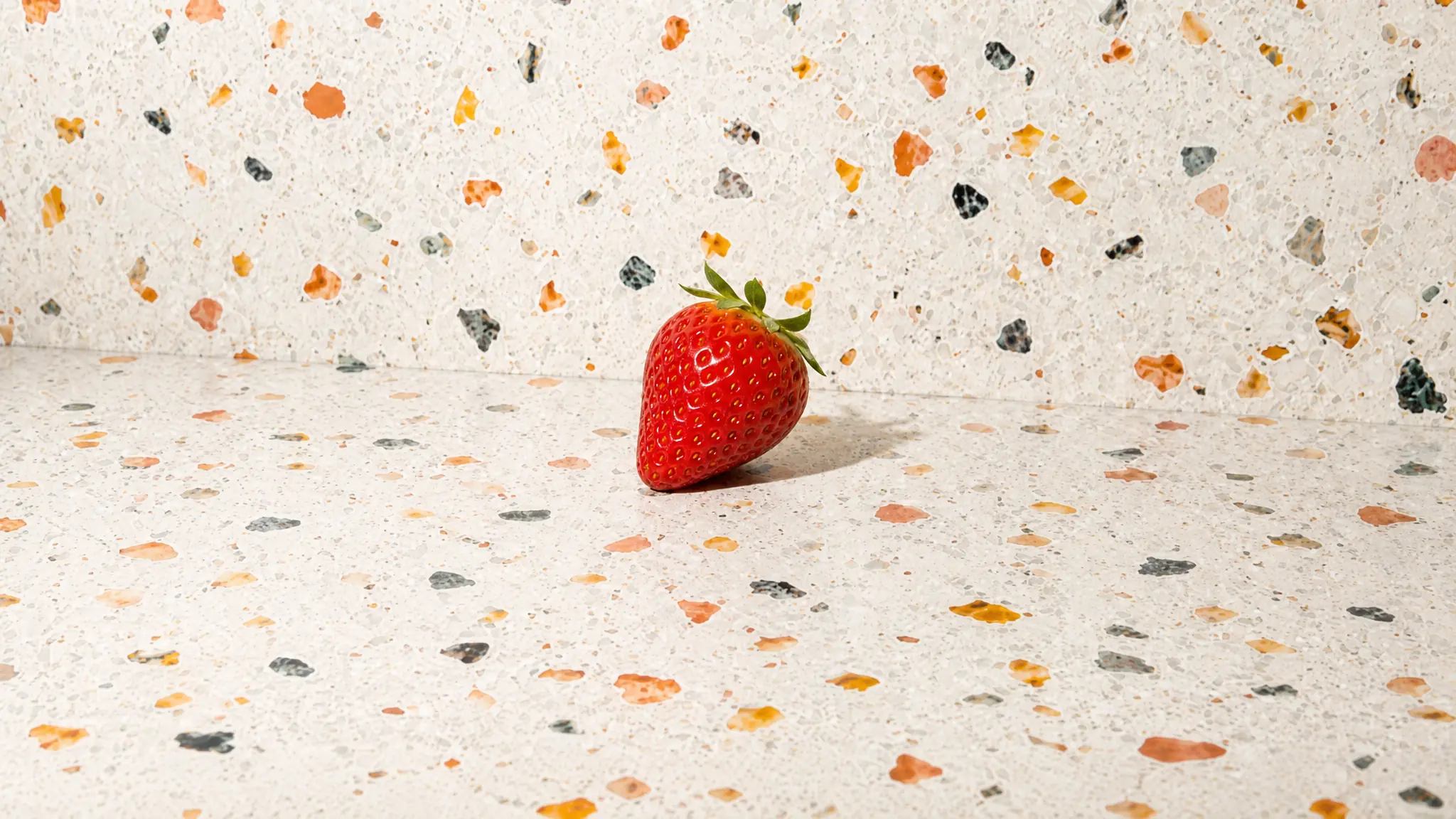
Strawberry
Fruit
Last updated July 5, 2026. The Tummi Food Team maintains this Can I Feed This safety guide guide. Supporting links appear in Sources when available.



Clinically reviewed by Andria Procopio and Arefa Mohamed
Direct answer
Can babies eat Strawberry?
Yes, strawberries can be introduced around 6 months of age once your baby is ready for solids, ensuring they are properly prepared and appropriately sized.
- Serve Age6+months
Most babies start solids around 6 months once they show readiness signs. Match the texture and serving size to your baby's skills.
- No Allergens
Strawberry is not flagged as one of the major allergens tracked in this database. Still watch your baby closely when serving any new food.
- Choking Risk123451
Lower choking risk when served in the right texture. Always supervise meals and adjust the shape for your baby.
This guide is for everyday food prep questions. Ask your pediatrician about medical concerns, feeding delays, allergy plans, or serious reactions.
How Do You Serve Strawberry?
How to serve Strawberry to a 8-month-old baby
- 1Choose very ripe, soft, large strawberries and remove the stem and leaves before serving.
- 2If a whole berry would fit entirely in the child’s mouth, cut it lengthwise, slice into thin wedges, or mash it. Never offer a whole berry.
- 3Mash or cook very small berries until they are clearly soft; check by pressing gently between your thumb and forefinger.
- 4Trim the pointed tip if it could form a firm plug, and discard any berry that becomes too small or hard to handle safely.
- 5Serve plain and always supervise closely while the child is eating.
How to serve Strawberry: Varies
- 1Choose very ripe, soft, large strawberries; wash thoroughly under cold water and remove stems and any bruised spots.
- 2If berries are small or firm, mash, puree, or cook them until soft to reduce choking risk.
- 3For whole or chunky servings, cut into thin slices or small, manageable pieces; for a smoother texture, stir mashed strawberries into yogurt or warm cereal.
- 4Always supervise mealtimes and watch for gagging or choking, discarding any tough or stringy pieces.
How to serve Strawberry to babies 9 months and older
- 1Wash berries, remove stems and hulls, then slice into slender, wedge-shaped pieces roughly the width of a child's finger so they're easy to grasp.
- 2Choose ripe, very soft strawberries; if fruit is firm, cook or mash briefly to soften before serving.
- 3Offer pieces that hold their shape and are not paper-thin — avoid paper-thin cuts that can stick to the tongue or roof of the mouth.
- 4Always supervise eating, offer one piece at a time, and introduce new foods separately to monitor for reactions.
Is Strawberry a Common Allergen?
Strawberries are not a common major allergen, but some children can react. Oral allergy syndrome (itching/tingling in the mouth) is the most typical response, especially in kids with pollen allergies; hives, swelling, or rarely severe reactions can occur. Watch for reactions after first exposures and be cautious with processed strawberry products (may contain dairy, nuts, or cross-contaminants). If your child has known pollen or severe food allergies, consult your pediatrician or allergist before introducing strawberries.
Is Strawberry a Choking Hazard?
Low Choking Risk
Strawberries can pose a choking risk because their shape and texture may block an infant’s airway, especially if pieces are small or the fruit is firm. When introducing strawberries, stay within arm’s reach, watch closely for any gagging or signs of choking, and be prepared to intervene quickly if the baby struggles. Know infant choking first-aid steps and seek emergency help if the child cannot breathe or becomes unresponsive.
Have More Questions?
Strawberries can be introduced around 6 months, once your baby is developmentally ready for solid foods. Prepare them in a shape and texture suited to your baby's eating skills.
Yes. Strawberries can be included as one of a variety of fruits offered after a baby starts solid foods.
No. Strawberries are not one of the nine major food allergens recognized by the FDA, although foods outside that list can still cause allergic reactions.
No. Uncut whole strawberries, especially small round or firm ones, can pose a choking risk for babies. Cut small round strawberries into quarters and make sure the texture matches your baby's eating skills.
Yes. Strawberries can be served as finger food when their shape and texture match your baby's eating skills. Cut small round strawberries into quarters, soften or mash firm fruit for very young babies, and supervise your baby while seated upright.
Save Strawberry to your food log
Track foods, reactions, and prep notes in Tummi when you want to keep your baby's feeding history in one place.
Sources
- Overall dietary polyphenol intake in a bowl of strawberries: The influence of Fragaria spp. in nutritional studies doi.org
- Allergy to Strawberry in Children From the Mediterranean Area: Is It Really Allergy? doi.org
- Oral allergy syndrome doi.org
- Food allergies resulting from immunological cross-reactivity with inhalant allergens doi.org
- Clinical cross-reactivity among foods of the Rosaceae family doi.org
What Other Fruit Can Babies Eat?
See all →



Source-Linked Guidance
See the evidence behind the guide.
Food guides show direct links to public-health guidance and research when supporting references are available. Source inclusion does not imply endorsement.
 Centers for Disease Control and Prevention
Developmental milestones, nutrition guidelines, and allergen introduction timelines.
 American Academy of Pediatrics
Evidence-based feeding recommendations from the leading pediatric authority.
 National Institutes of Health
Peer-reviewed research on infant nutrition, allergies, and food safety.