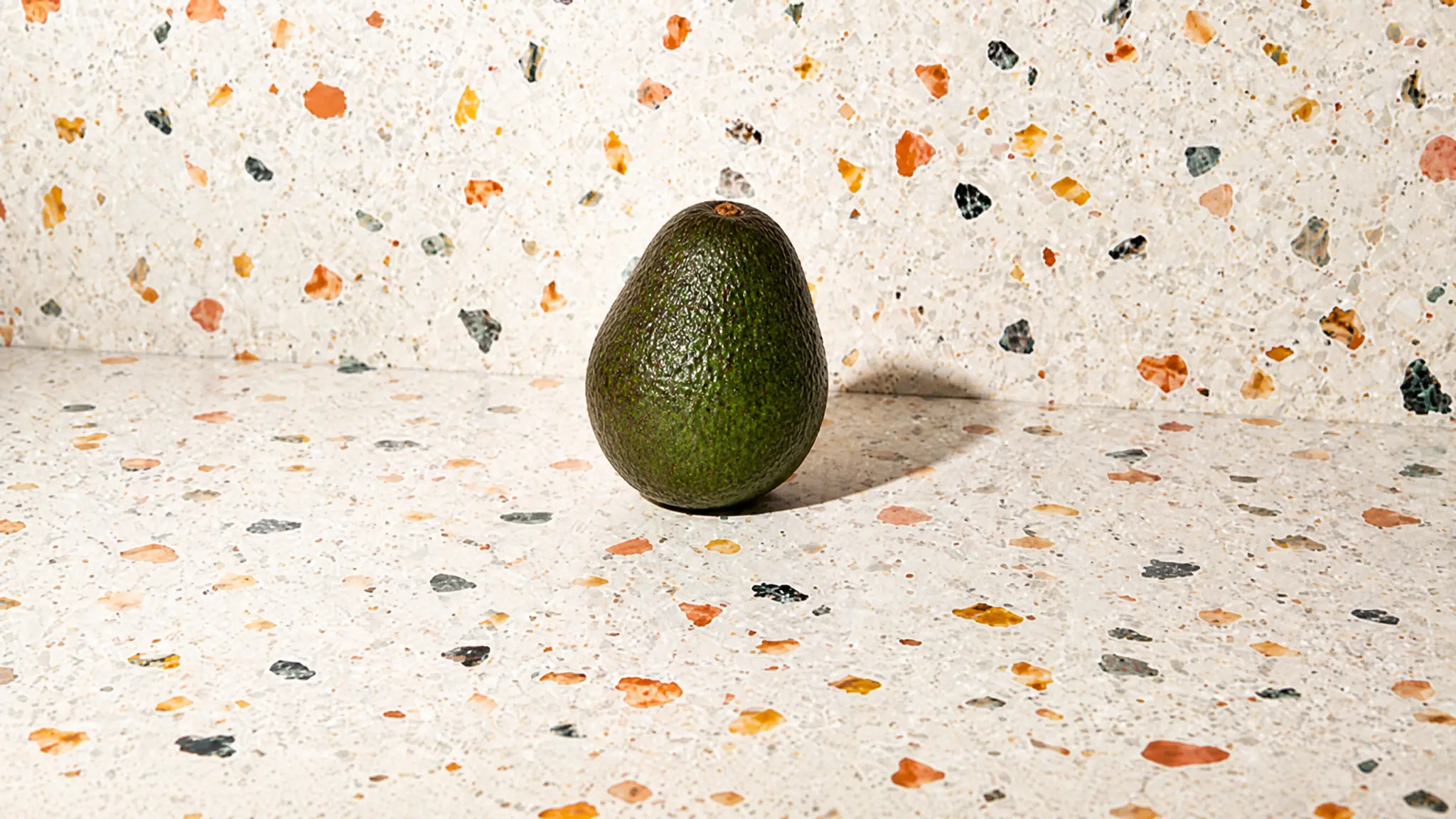
Avocado
Fruit
Last updated July 5, 2026. The Tummi Food Team maintains this Can I Feed This safety guide guide. Supporting links appear in Sources when available.



Clinically reviewed by Andria Procopio and Arefa Mohamed
Direct answer
Can babies eat Avocado?
Yes, babies can eat avocado starting at 6 months, when they are ready for solids; it's nutritious, low in allergen risk, and can be prepared safely.
- Serve Age6+months
Most babies start solids around 6 months once they show readiness signs. Match the texture and serving size to your baby's skills.
- No Allergens
Avocado is not flagged as one of the major allergens tracked in this database. Still watch your baby closely when serving any new food.
- Choking Risk123451
Lower choking risk when served in the right texture. Always supervise meals and adjust the shape for your baby.
This guide is for everyday food prep questions. Ask your pediatrician about medical concerns, feeding delays, allergy plans, or serious reactions.
How Do You Serve Avocado?
How to serve Avocado to babies 6 months and older
- 1Cut a ripe avocado into thick spears or large wedges, remove the pit and skin so they can grasp and chew safely.
- 2For easier feeding, mash avocado and pre-load a spoon or spread thinly on strips of toast or soft crackers.
- 3If pieces feel slippery, lightly roll them in tiny seeds (e.g., chia) or finely shredded coconut to give more grip.
- 4Choose sizes and a texture the eater can manage; discard any hard or underripe parts and supervise the entire feed.
- 5Serve plain or with a small pinch of mild seasoning; avoid adding honey or extra salt.
How to serve Avocado to babies 9 months and older
- 1Cut ripe avocado into soft, easy-to-pick pieces—aim for pea-sized cubes or thin wedges about 1/2 inch so fingers can grasp them independently.
- 2Remove the skin and pit and check texture before serving; very soft avocado is safest and reduces choking risk.
- 3If smaller pieces are still hard to pick up, offer longer spears or a small spoon of mashed avocado so your child can practice self-feeding while staying successful.
- 4Always sit the child upright and supervise feedings, waiting between bites to watch for any signs of choking or difficulty.
How to serve Avocado to babies 18 months and older
- 1Choose a ripe avocado by gently pressing near the stem — it should give slightly; wash and dry before cutting.
- 2Cut lengthwise, twist the halves, remove the pit with a spoon, then slice into spears or dice into small, bite-sized pieces.
- 3Mash with a fork until smooth for easier eating, or leave soft spears/cubes for self-feeding depending on your child’s skill.
- 4Present a ripe avocado half with the skin on and a child-safe spoon for supervised scooping practice; supervise closely.
- 5Serve at cool or room temperature and discard any browned or spoiled parts before offering.
Is Avocado a Common Allergen?
Avocado is not a common major food allergen and most children tolerate it well, but allergic reactions do occur in some people. There is known cross-reactivity between avocado and latex (and sometimes birch pollen), so be cautious if your child has a latex allergy or prior fruit/pollen-related reactions. When introducing avocado to infants, offer it mashed/pureed, introduce it like any new food, and watch for hives, swelling, vomiting, breathing changes, or persistent fussiness; seek medical care for severe reactions. If your child has a known latex allergy or prior fruit allergies, consult your pediatrician or allergist before offering avocado.
Is Avocado a Choking Hazard?
Low Choking Risk
Ripe, soft avocado is generally low risk for choking when matched to your baby’s developmental skills, but any food can pose a risk. Always keep your baby seated upright and stay within arm’s reach during meals so you can respond quickly to gagging or choking. If you notice concerns with chewing or swallowing, contact your pediatrician or a feeding specialist for advice.
Have More Questions?
Yes. To store leftover avocado, keep it in an airtight container in the refrigerator for up to 1-2 days to maintain freshness.
Yes. To freeze avocado purees, place pureed avocado in a freezer-safe container, leaving some space for expansion, and freeze for up to 3 months.
It depends. Many parents prefer organic avocados for their babies to reduce exposure to pesticides, though conventional avocados are safe when properly washed.
Yes. Combining avocado with other fruits or vegetables can provide variety and extra nutrients, but introduce new combinations gradually to monitor for reactions.
Typically, a portion size for a baby starting solids is about one to two tablespoons of mashed or pureed avocado per feeding, depending on the baby's age and appetite.
Save Avocado to your food log
Track foods, reactions, and prep notes in Tummi when you want to keep your baby's feeding history in one place.
Sources
- The role of avocados in complementary and transitional feeding (Comerford et al., 2016) doi.org
- Prevalence of avocado allergy among atopic patients (Telez-Diaz et al., 1995) doi.org
- Latex Allergy | AAAAI aaaai.org
- Allergic sensitization and clinical reactions to latex, food and pollen (Levy et al., 2000) doi.org
- Emerging triggers of food protein-induced enterocolitis syndrome (Blackman et al., 2019) doi.org
What Other Fruit Can Babies Eat?
See all →




Source-Linked Guidance
See the evidence behind the guide.
Food guides show direct links to public-health guidance and research when supporting references are available. Source inclusion does not imply endorsement.
 Centers for Disease Control and Prevention
Developmental milestones, nutrition guidelines, and allergen introduction timelines.
 American Academy of Pediatrics
Evidence-based feeding recommendations from the leading pediatric authority.
 National Institutes of Health
Peer-reviewed research on infant nutrition, allergies, and food safety.