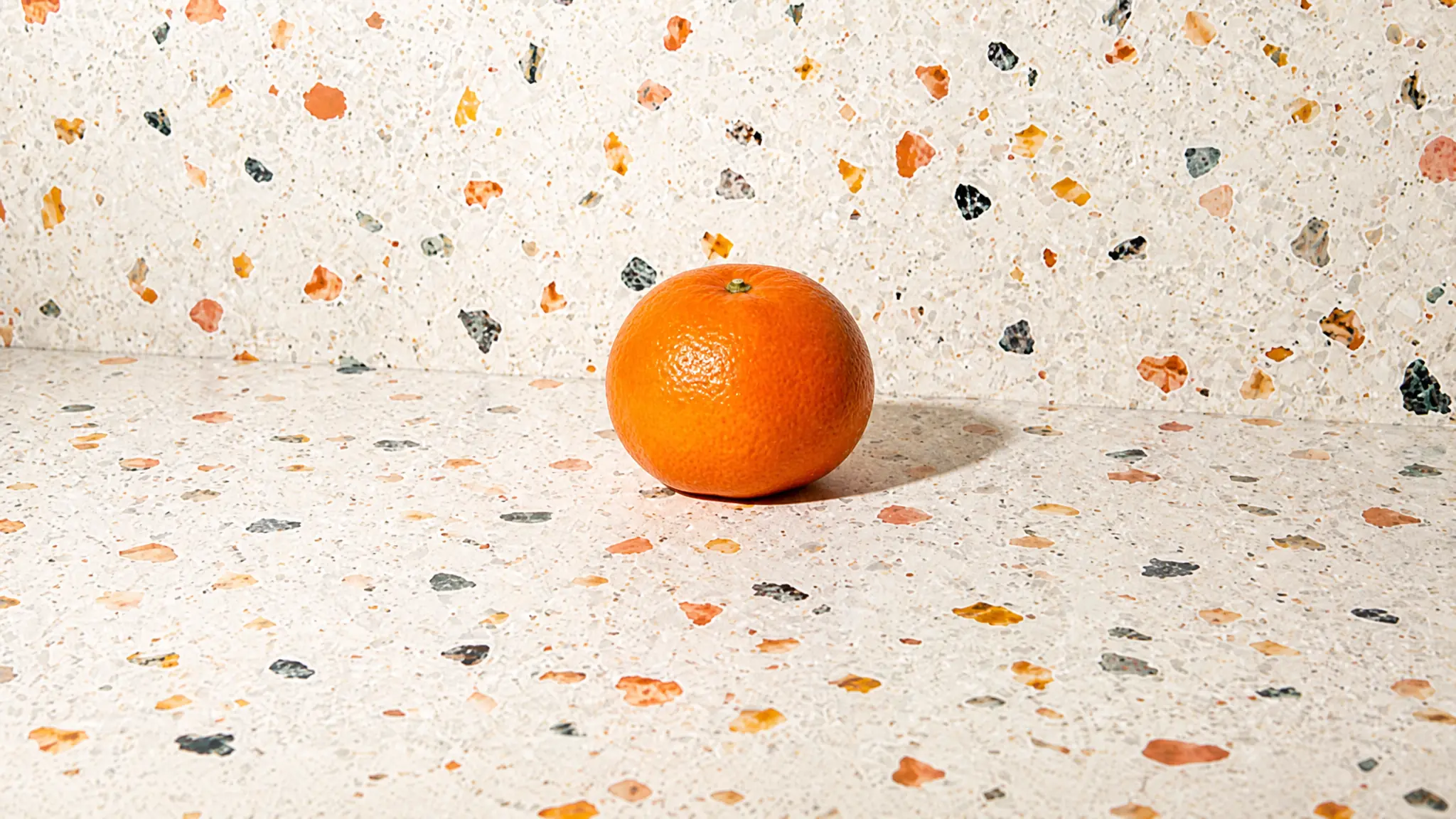

Clementine
Fruit
Last updated July 5, 2026. The Tummi Food Team maintains this Can I Feed This safety guide guide. Supporting links appear in Sources when available.



Clinically reviewed by Andria Procopio and Arefa Mohamed
Direct answer
Can babies eat Clementine?
Yes, clementines can be given to babies around 6 months old when they are ready to start solids, prepared in an age-appropriate way.
- Serve Age6+months
Most babies start solids around 6 months once they show readiness signs. Match the texture and serving size to your baby's skills.
- No Allergens
Clementine is not flagged as one of the major allergens tracked in this database. Still watch your baby closely when serving any new food.
- Choking Risk123451
Lower choking risk when served in the right texture. Always supervise meals and adjust the shape for your baby.
This guide is for everyday food prep questions. Ask your pediatrician about medical concerns, feeding delays, allergy plans, or serious reactions.
How Do You Serve Clementine?
How to serve Clementine to babies 9 months and older
- 1Peel the clementine and separate into individual segments.
- 2Cut off the top of each segment and gently lift it out of the thin membrane pocket to release the segment.
- 3Remove any remaining membrane and slice each segment into small, bite-sized pieces — cut in half or quarters depending on fruit size.
- 4Serve immediately and always supervise while eating; never offer membrane-intact segments to reduce choking risk.
How to serve Clementine to babies 18 months and older
- 1Check readiness first—only offer larger pieces if the child chews and swallows reliably and is comfortable managing small bites.
- 2Cut each clementine segment in half across the segment with the membrane intact to reduce size and choking risk; coach the child to take small bites rather than popping segments whole.
- 3If preferred, remove the thin membrane and offer bite-sized pieces to make chewing easier and more manageable.
- 4Remove any seeds, have the child sit upright, and supervise closely while they eat; stop and reassess if they cough or struggle.
- 5Serve at room temperature and offer a small drink of water alongside to help with swallowing.
How to serve Clementine to babies 24 months and older
- 1Rinse the clementine under cool running water and pat dry; peel one yourself first to show the motion.
- 2Separate into small segments and remove any seeds, offering one segment at a time so the child can handle it safely.
- 3Let the child practice peeling or taking small bites while you guide their hands to build fine motor skills and watch for signs of difficulty.
- 4Have the child sit upright, keep close supervision, and stop feeding if they cough or refuse to chew; keep water nearby.
Is Clementine a Common Allergen?
Clementines are citrus fruits and are not common allergens (they contain no milk, nuts, gluten, soy, eggs, fish, shellfish, or peanuts). Rare citrus allergies or oral allergy syndrome can cause itching, swelling, or hives in sensitive children; peel oils (limonene) may cause contact dermatitis. The acidic juice can irritate the mouth or worsen reflux/diaper rash in infants. Offer small, supervised pieces to avoid choking and avoid giving them if your child has a known citrus allergy—consult your pediatrician/allergist for severe allergy history.
Is Clementine a Choking Hazard?
Low Choking Risk
Clementine segments can be a choking hazard, particularly when left inside their thin membrane—their small, tapered ends and slippery texture make them likely to block a baby’s airway. Stay within arm’s reach and watch closely while your child is eating, and make sure caregivers know how to recognize and respond to choking. If you have concerns, consult your pediatrician or local first-aid resources.
Have More Questions?
Yes, cut clementines can be stored in the refrigerator for later. Put them in a clean, covered container and refrigerate them promptly; discard cut fruit left at room temperature for more than 2 hours or sooner if it appears spoiled.
Yes, clementine puree can be frozen. Freeze it promptly in a clean, tightly covered container, and discard it if it appears spoiled; recommended freezer time limits concern quality because properly frozen food remains safe longer than its best-quality period.
Not necessarily; an organic clementine is not automatically a better choice for a baby. “Organic” identifies food produced under USDA organic standards, and both organic and conventional clementines should be washed thoroughly under running water before peeling or serving.
Yes, clementines can be mixed with other fruits for a baby's meal. Prepare every fruit in a shape, size, and texture suited to the baby's developmental abilities, remove any hard seeds or pips, and supervise throughout eating.
There is no single required portion of clementine for every baby. Start with a small amount in a developmentally appropriate form, offer more if the baby shows hunger, and stop when they show fullness.
Save Clementine to your food log
Track foods, reactions, and prep notes in Tummi when you want to keep your baby's feeding history in one place.
Sources
- Clementine juice has the potential for drug interactions - European Journal of Pharmaceutical Sciences (2017) sciencedirect.com
- Citrus allergy from pollen to clinical symptoms - PLoS One (2013) doi.org
- Sugar in Infants, Children and Adolescents: Position Paper of ESPGHAN Committee on Nutrition - Journal of Pediatric Gastroenterology and Nutrition (2017) doi.org
What Other Fruit Can Babies Eat?
See all →









Source-Linked Guidance
See the evidence behind the guide.
Food guides show direct links to public-health guidance and research when supporting references are available. Source inclusion does not imply endorsement.
 Centers for Disease Control and Prevention
Developmental milestones, nutrition guidelines, and allergen introduction timelines.
 American Academy of Pediatrics
Evidence-based feeding recommendations from the leading pediatric authority.
 National Institutes of Health
Peer-reviewed research on infant nutrition, allergies, and food safety.