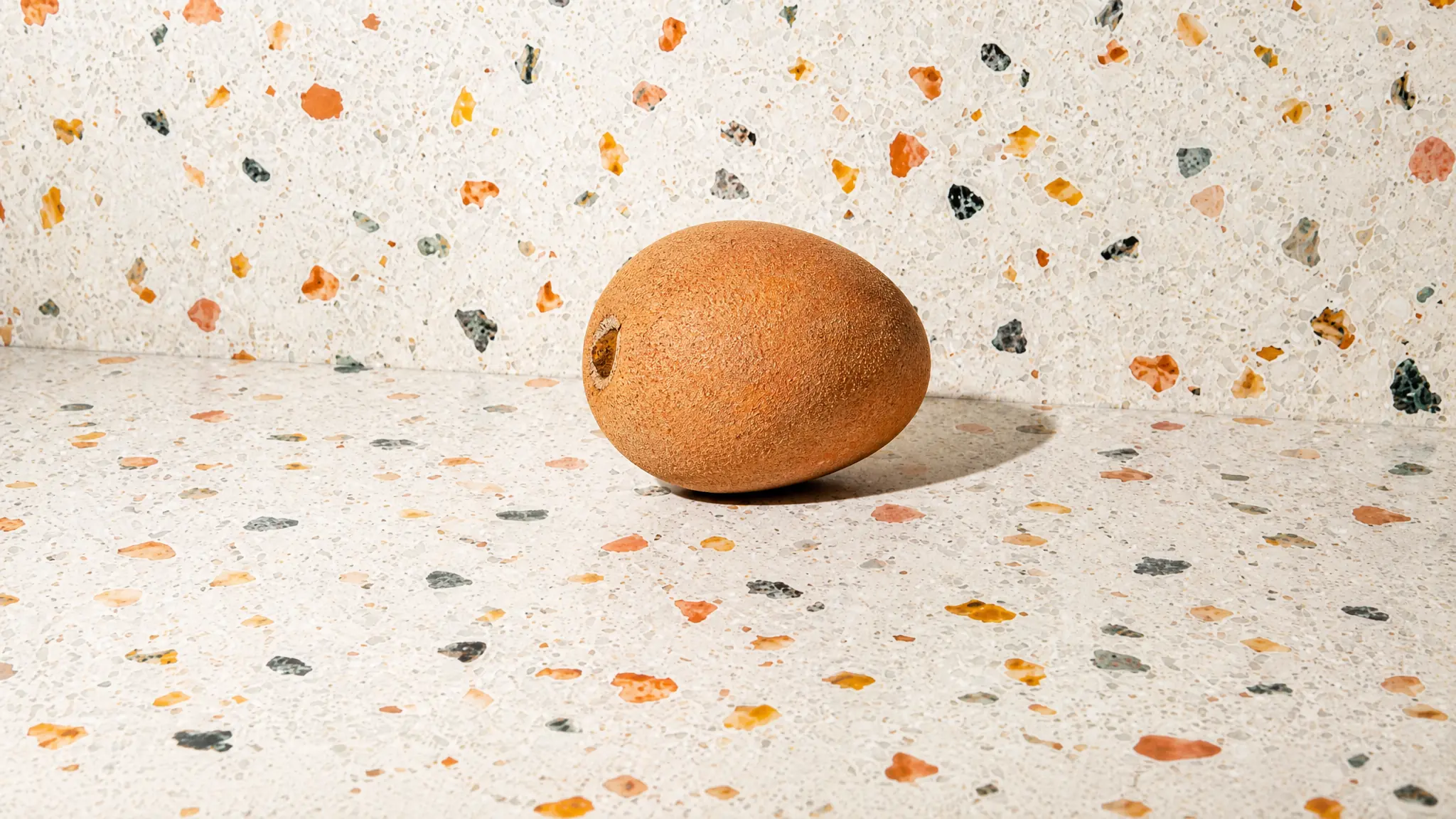
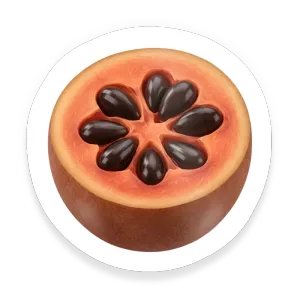
Zapote (Mamey Sapote)
Fruit
Last updated July 5, 2026. The Tummi Food Team maintains this Can I Feed This safety guide guide. Supporting links appear in Sources when available.



Clinically reviewed by Andria Procopio and Arefa Mohamed
Direct answer
Can babies eat Zapote (Mamey Sapote)?
Babies can be offered ripe, soft zapote around 6 months, once they are developmentally ready for solid foods. Remove the skin and seed, adapt the texture to the baby's feeding skills, and supervise while they eat.
- Serve Age6+months
Most babies start solids around 6 months once they show readiness signs. Match the texture and serving size to your baby's skills.
- No Allergens
Zapote (Mamey Sapote) is not flagged as one of the major allergens tracked in this database. Still watch your baby closely when serving any new food.
- Choking Risk123451
Lower choking risk when served in the right texture. Always supervise meals and adjust the shape for your baby.
This guide is for everyday food prep questions. Ask your pediatrician about medical concerns, feeding delays, allergy plans, or serious reactions.
How Do You Serve Zapote (Mamey Sapote)?
How to serve Zapote (Mamey Sapote) to babies 6 months and older
- 1Choose a ripe fruit by feeling for slight softness when gently pressed and darker, fragrant skin.
- 2Peel and remove the large seed, then either mash the soft flesh or cut into firm, easy-to-grasp wedges for your baby to hold.
- 3If the fruit is slippery, lightly coat spears with finely ground nuts or shredded coconut to improve grip; if avoiding nuts, use crushed toasted oats or a thin smear of seed butter instead.
- 4Mix mashed zapote into warm cereal, yogurt, or cooked proteins to add creamy texture and flavor.
- 5Serve small portions and refrigerate leftovers in a sealed container for up to 24 hours.
How to serve Zapote (Mamey Sapote) to babies 9 months and older
- 1Cut zapote into small, bite-sized cubes (about 1/2 inch / 1 cm) so your child can pick them up and chew safely; offer longer spears only if they can reliably bite and remove larger pieces.
- 2Serve only fully ripe, soft flesh—remove all seeds and peel off the skin before giving to your child.
- 3If pieces are slippery or hard to hold, lightly roll them in finely ground nuts or shredded coconut to improve grip; check for nut allergies or use toasted seeds as a substitute.
- 4Always supervise while eating and discard any tough or stringy bits that might be difficult to chew to reduce choking risk.
How to serve Zapote (Mamey Sapote) to babies 12 months and older
- 1Halve the fruit and remove the large seed; serve a seeded-free half so your child can hold it and scoop the flesh with a spoon.
- 2For independent bites, cut the ripe flesh into soft, mashable pieces about 1/2–1 inch (1–2 cm) and test that they squash easily under moderate pressure.
- 3Blend zapote into smoothies, puddings or batidos—do not add sugar because the fruit is naturally sweet; avoid adding any extra sugar until after 24 months.
- 4Always use fully ripe, soft flesh and discard the skin and any seed fragments to reduce choking risk.
Is Zapote (Mamey Sapote) a Common Allergen?
Mamey sapote (zapote) is not a common allergen, but rare IgE‑mediated allergic reactions have been reported. People with latex allergy can sometimes cross‑react to tropical fruits (latex–fruit syndrome), and unripe fruit latex contains proteolytic enzymes (e.g., papain) that may irritate skin or trigger reactions. Introduce cautiously in children with known fruit or latex allergies—offer a small test portion and watch for hives, swelling, vomiting, or breathing difficulty; seek medical care for severe reactions.
Is Zapote (Mamey Sapote) a Choking Hazard?
Low Choking Risk
Zapote isn’t usually a choking hazard if the large seed and skin are removed—those are the primary choking risks. Because the flesh can be slippery or variable in texture, stay within arm’s reach and closely supervise so you can intervene quickly if gagging or choking occurs. Be extra cautious with underripe or overly firm fruit and always ensure no seed fragments remain.
Have More Questions?
Zapote can be introduced around 6 months, once the baby is developmentally ready for solid foods. Offer ripe, soft flesh with the skin and seed removed and a texture suited to the baby's feeding skills.
Mamey sapote is native to Mexico and Central America.
Ripe zapote can be included as one of the fruits in a baby's varied diet after the baby is developmentally ready for solid foods. Prepare its texture for the baby's feeding skills and remove the skin and seed before serving.
Babies can choke on zapote, as they can on other foods. Remove the skin and seed, serve only ripe, soft flesh in a texture suited to the baby's feeding skills, seat the baby upright, and supervise throughout the meal.
An allergic reaction to zapote is possible. An IgE-mediated reaction to mamey sapote has been reported, so watch for signs of an allergic reaction when introducing it and seek urgent medical help for breathing difficulty or other severe symptoms.
Save Zapote (Mamey Sapote) to your food log
Track foods, reactions, and prep notes in Tummi when you want to keep your baby's feeding history in one place.
Sources
What Other Fruit Can Babies Eat?
See all →





Source-Linked Guidance
See the evidence behind the guide.
Food guides show direct links to public-health guidance and research when supporting references are available. Source inclusion does not imply endorsement.
 Centers for Disease Control and Prevention
Developmental milestones, nutrition guidelines, and allergen introduction timelines.
 American Academy of Pediatrics
Evidence-based feeding recommendations from the leading pediatric authority.
 National Institutes of Health
Peer-reviewed research on infant nutrition, allergies, and food safety.