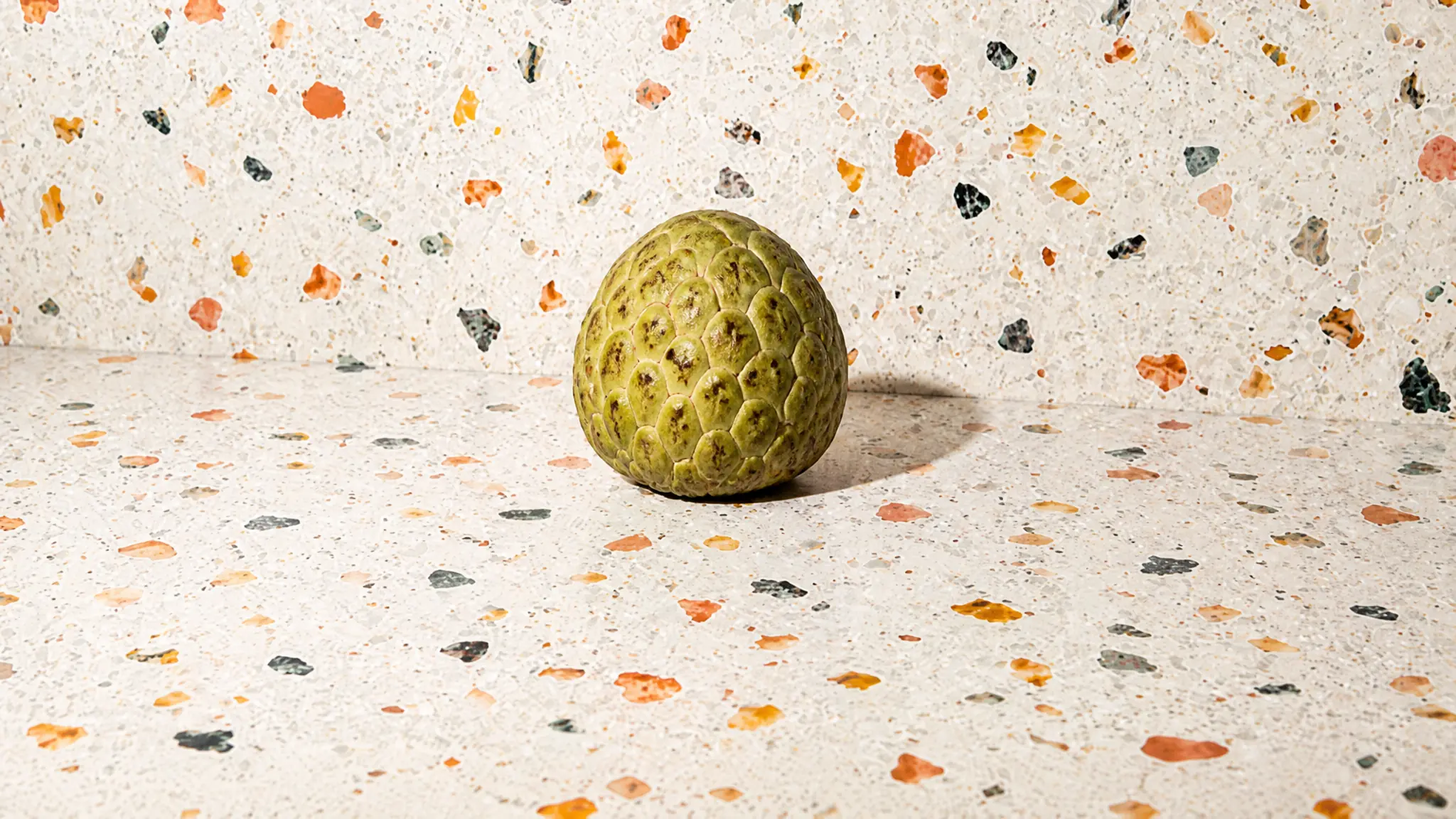
Cherimoya
Fruit
Last updated July 5, 2026. The Tummi Food Team maintains this Can I Feed This safety guide guide. Supporting links appear in Sources when available.


Clinically reviewed by Andria Procopio and Arefa Mohamed
Direct answer
Can babies eat Cherimoya?
Yes, remove skin and seeds; introduce around 6 months when baby is ready for solids.
- Serve Age6+months
Most babies start solids around 6 months once they show readiness signs. Match the texture and serving size to your baby's skills.
- No Allergens
Cherimoya is not flagged as one of the major allergens tracked in this database. Still watch your baby closely when serving any new food.
- Choking Risk123451
Lower choking risk when served in the right texture. Always supervise meals and adjust the shape for your baby.
This guide is for everyday food prep questions. Ask your pediatrician about medical concerns, feeding delays, allergy plans, or serious reactions.
How Do You Serve Cherimoya?
How to serve Cherimoya to babies 6 months and older
- 1Choose a ripe cherimoya that gives slightly to gentle pressure and smells sweet.
- 2Wash, peel and remove all seeds carefully; seeds are a choking hazard, so discard them completely.
- 3Mash the flesh until very smooth so it can be scooped or stirred into porridge or yogurt. Smooth texture reduces choking risk.
- 4Serve small spoonfuls at room temperature and stay within arm’s reach while baby eats.
How to serve Cherimoya to babies 9 months and older
- 1Peel and remove all seeds: slice the cherimoya open and scoop out the flesh, discarding every seed — choking hazard.
- 2Offer ripe, soft flesh in small, bite-sized pieces that are easy for a baby to pick up with thumb and forefinger to practice the pincer grasp.
- 3If pieces are slippery, lightly coat them with desiccated coconut or dry infant cereal to add grip and make them easier to hold.
- 4Continue offering mashed cherimoya in a shallow dish to encourage scooping and self-feeding; supervise during meals.
How to serve Cherimoya: Varies
- 1Remove the skin and remove all seeds, then cut the cherimoya flesh into small, bite-sized pieces or mash to a smooth consistency to reduce choking risk.
- 2Offer pieces on a child-sized spoon or let the child try self-feeding with soft utensils; start with mashed texture if they are new to solid foods.
- 3When the child reliably chews and follows instructions, introduce slightly larger pieces and model how to discard or spit out any seeds.
- 4Always supervise closely during meals and never serve skin or seeds until the child can handle them safely.
Is Cherimoya a Common Allergen?
Cherimoya is not a common food allergen for most children, but rare IgE‑mediated reactions and oral‑allergy symptoms have been reported. The seeds (and skin) contain toxic compounds—remove seeds and do not let children chew them. Children with pollen‑related oral allergy syndrome or known latex‑fruit sensitivity may be at higher risk, so introduce small amounts slowly and watch for mouth/ throat swelling, hives, vomiting, or breathing difficulty; seek immediate care for severe reactions.
Is Cherimoya a Choking Hazard?
Low Choking Risk
Cherimoya seeds are a high choking hazard: they’re small, rounded, firm, and can be hard to see inside the opaque flesh, so it’s important to remove all seeds before giving the fruit to a baby. While the ripe flesh is less likely to choke, remain within arm’s reach and closely supervise to spot gagging or choking quickly. Know infant choking first aid so you can act immediately if needed.
Have More Questions?
No. Remove the skin and every seed before serving cherimoya to a baby, then offer only ripe, soft flesh in a texture suited to the baby's eating skills.
It depends. Cherimoya can be introduced around 6 months when your baby is ready for solids, but always serve in small, manageable portions and observe for reactions.
Yes. Cherimoya is nutritious and provides vitamins, fiber, and antioxidants, which support various aspects of baby development when prepared properly.
No. Cherimoya is not one of the major food allergens, although any food can cause an allergic reaction. Stop serving cherimoya and seek medical advice if allergy symptoms occur.
Yes. The seeds are small and firm, increasing choking risks, so ensure all seeds are removed and only serve ripe, soft flesh in appropriate sizes for babies.
Save Cherimoya to your food log
Track foods, reactions, and prep notes in Tummi when you want to keep your baby's feeding history in one place.
What Other Fruit Can Babies Eat?
See all →

Source-Linked Guidance
See the evidence behind the guide.
Food guides show direct links to public-health guidance and research when supporting references are available. Source inclusion does not imply endorsement.
 Centers for Disease Control and Prevention
Developmental milestones, nutrition guidelines, and allergen introduction timelines.
 American Academy of Pediatrics
Evidence-based feeding recommendations from the leading pediatric authority.
 National Institutes of Health
Peer-reviewed research on infant nutrition, allergies, and food safety.