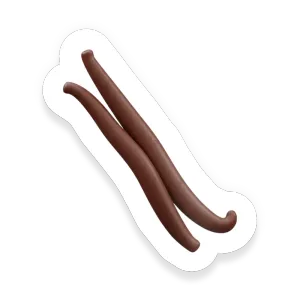
Vanilla
Herb/Spice
Last updated July 5, 2026. The Tummi Food Team maintains this Can I Feed This safety guide guide. Supporting links appear in Sources when available.



Clinically reviewed by Andria Procopio and Arefa Mohamed
Direct answer
Can babies eat Vanilla?
Yes, vanilla can be introduced around 6 months when starting solids, typically used as a flavor in cooking or baking in small amounts.
- Serve Age6+months
Most babies start solids around 6 months once they show readiness signs. Match the texture and serving size to your baby's skills.
- No Allergens
Vanilla is not flagged as one of the major allergens tracked in this database. Still watch your baby closely when serving any new food.
- Choking Risk123451
Lower choking risk when served in the right texture. Always supervise meals and adjust the shape for your baby.
This guide is for everyday food prep questions. Ask your pediatrician about medical concerns, feeding delays, allergy plans, or serious reactions.
How Do You Serve Vanilla?
How to serve Vanilla to babies 6 months and older
- 1Add a very small amount of vanilla extract or the tiny scraped seeds from a vanilla bean to soft, spoonable foods and baked breakfasts (pancakes, waffles, muffins, porridge) to gently introduce the flavor.
- 2Use vanilla extract or scraped seeds only; do not give whole vanilla pods because they are a choking hazard.
- 3Ensure foods are very soft, mashed, or cut into small, manageable pieces and appropriate for your baby's chewing ability, and stay within arm’s reach while they eat.
- 4Offer vanilla-flavored or sweetened treats only occasionally so there’s room for a variety of nourishing foods and to protect oral health.
How to serve Vanilla to babies 24 months and older
- 1Use vanilla beans, paste, or extract in cooked and baked recipes; for uncooked dishes (e.g., no‑bake puddings or frostings), prefer vanilla paste or an alcohol‑free extract.
- 2Measure sparingly—start with about 1/4–1/2 teaspoon of extract per single-serving recipe and adjust to taste so the flavor is noticeable without overpowering.
- 3Keep textures appropriate: remove whole pods and mash or strain fillings so they’re smooth and easy to eat; vanilla seeds are safe when evenly distributed.
- 4Store all extracts and bottles out of reach and note alcohol content; choose alcohol-free vanilla for uncooked preparations when possible.
Is Vanilla a Common Allergen?
This vanilla item is not flagged for common allergens—no dairy, eggs, nuts (including peanuts), soy, gluten, sesame, shellfish, or fish. However, parents of children with severe allergies should always check the product label and any manufacturing allergen statements for possible cross-contact. If there is any doubt, contact the manufacturer or choose a certified allergen-free alternative.
Is Vanilla a Choking Hazard?
Very Low Choking Risk
Whole vanilla pods (or pieces of pod) are small, firm items that can pose a choking hazard for babies, so they shouldn’t be left in foods for infants. Vanilla extracts and powders themselves are low choking risks, but the texture of the food they flavor can still cause choking. Always stay within arm’s reach and closely supervise babies during meals.
Have More Questions?
Yes. Vanilla can be introduced to babies around 6 months old when they start solids, as it is generally safe and well-tolerated in small amounts.
Yes. Vanilla extract is safe in typical cooking amounts; however, opt for alcohol-free options or thoroughly cook foods with vanilla to minimize alcohol exposure.
Yes. Vanilla contains plant compounds with potential anti-inflammatory and antioxidant properties, and can be safely included in a balanced diet for babies in small quantities.
No. Vanilla allergies are uncommon, but contact or ingestion may cause rashes or skin reactions; start with small amounts to check for sensitivities.
It can be. Whole vanilla pods pose a choking risk due to their firmness, so avoid serving whole pods to babies and always serve vanilla-seasoned foods in age-appropriate forms.
Save Vanilla to your food log
Track foods, reactions, and prep notes in Tummi when you want to keep your baby's feeding history in one place.
Sources
- U.S. Food & Drug Administration — Generally Recognized as Safe (GRAS) fda.gov
- National Capital Poison Center — Kitchen Surprises and Cautions poison.org
- Ilić et al., 2014 — Anti-inflammatory activity (J. Agric. Food Chem.) doi.org
- Arya et al., 2021 — Vanillin: a review (Advances in Traditional Medicine) link.springer.com
- World Health Organization — Guideline for complementary feeding (6–23 months) who.int
- Fidler Mis et al., 2017 — Sugar in Infants, Children and Adolescents (ESPGHAN position paper) doi.org
- Ferguson & Beck, 1995 — Contact sensitivity to vanilla (Contact Dermatitis) pubmed.ncbi.nlm.nih.gov
- Kanny et al., 1994 — Allergy and intolerance to flavouring agents (Allergie et Immunologie) pubmed.ncbi.nlm.nih.gov
- American Academy of Allergy, Asthma & Immunology — Allergy information (spices and allergic reactions) aaaai.org
What Other Herb/Spice Can Babies Eat?
See all →
Source-Linked Guidance
See the evidence behind the guide.
Food guides show direct links to public-health guidance and research when supporting references are available. Source inclusion does not imply endorsement.
 Centers for Disease Control and Prevention
Developmental milestones, nutrition guidelines, and allergen introduction timelines.
 American Academy of Pediatrics
Evidence-based feeding recommendations from the leading pediatric authority.
 National Institutes of Health
Peer-reviewed research on infant nutrition, allergies, and food safety.