Black Pepper
Herb/Spice
Last updated July 5, 2026. The Tummi Food Team maintains this Can I Feed This safety guide guide. Supporting links appear in Sources when available.



Clinically reviewed by Andria Procopio and Arefa Mohamed
Direct answer
Can babies eat Black Pepper?
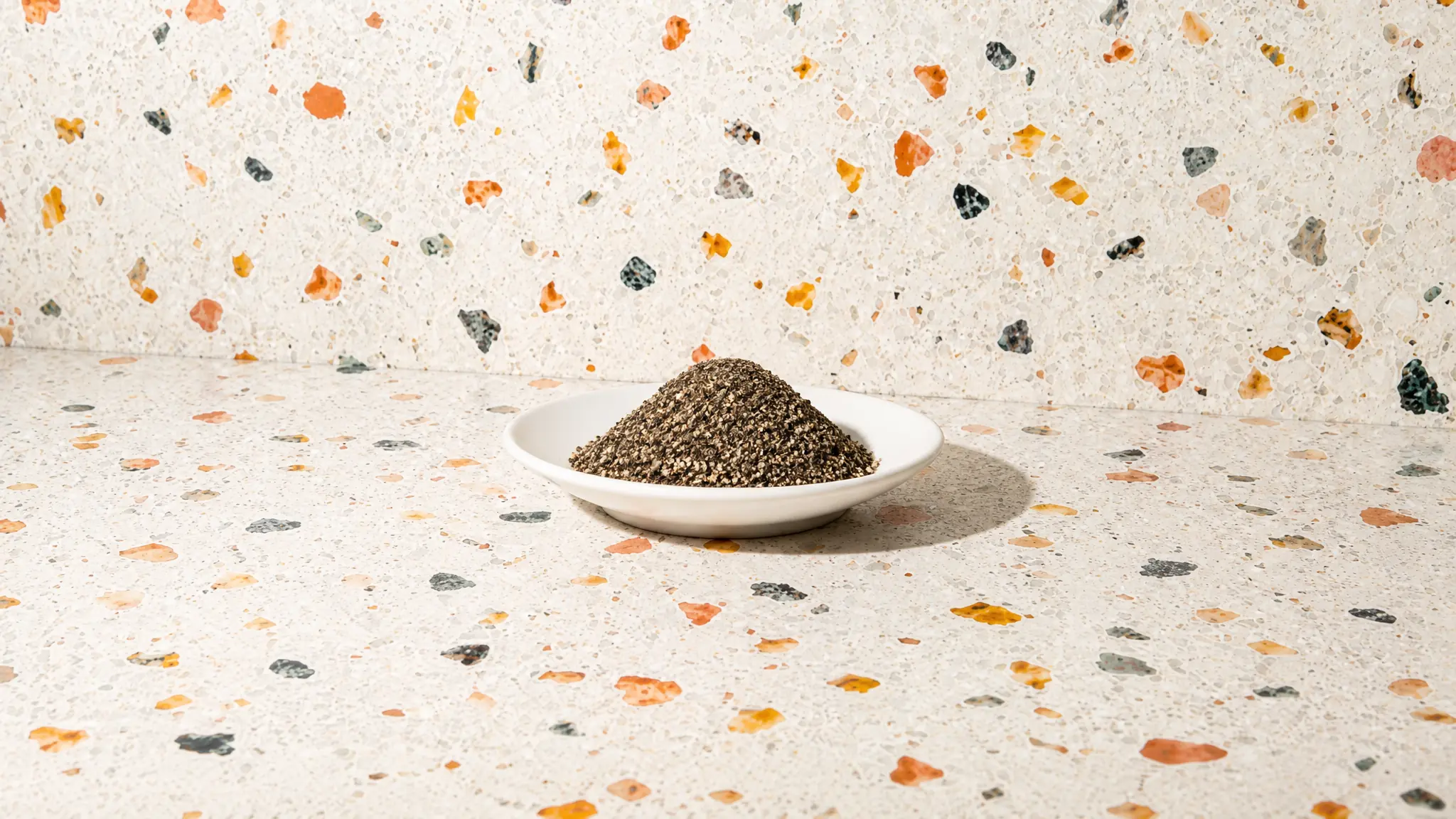
Black pepper can be introduced in a small amount around 6 months, once your baby is developmentally ready for solid foods; use it finely ground and mixed into food.
- Serve Age6+months
Most babies start solids around 6 months once they show readiness signs. Match the texture and serving size to your baby's skills.
- No Allergens
Black Pepper is not flagged as one of the major allergens tracked in this database. Still watch your baby closely when serving any new food.
- Choking Risk123451
Lower choking risk when served in the right texture. Always supervise meals and adjust the shape for your baby.
This guide is for everyday food prep questions. Ask your pediatrician about medical concerns, feeding delays, allergy plans, or serious reactions.
How Do You Serve Black Pepper?
How to serve Black Pepper to babies 6 months and older
- 1Offer a very small pinch of finely ground black pepper mixed into lightly seasoned foods so the flavor is mild and evenly distributed.
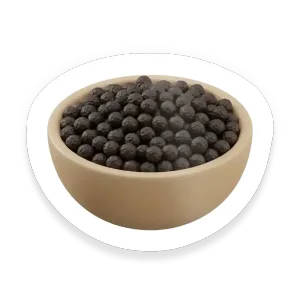
- 2Remove any whole peppercorns before serving and avoid adding pepper directly on top, which can be too strong.
- 3Introduce pepper gradually across several meals—start with a tiny amount and increase only if there are no signs of upset; watch for reactions.
- 4Cook pepper into the dish and pair it with bland, familiar foods; skip heavily spiced or oily dishes until tolerance is established.
How to serve Black Pepper to babies 12 months and older
- 1Use finely ground black pepper to season cooked dishes—add a small pinch while cooking or just before serving so the flavor is balanced.
- 2For meats, vegetables, and grains, stir in pepper during the last few minutes of cooking to blend flavor without making it bitter.
- 3If letting a child practice sprinkling, provide a tiny, supervised pinch in a shallow dish and demonstrate gentle sprinkling; limit the amount to prevent over-seasoning.
- 4Store pepper in an airtight container away from heat and light, and replace it when the aroma fades to ensure best flavor.
Is Black Pepper a Common Allergen?
Black pepper is not a common food allergen, but spice allergies can occur — proteins in pepper (e.g., piperine, PR-10 proteins, profilins) may trigger reactions in susceptible individuals. Symptoms can include mouth or throat itching, hives, swelling, gastrointestinal upset, and rarely breathing difficulties; inhaling ground pepper can also irritate the airways. There can be cross-reactivity with other plant/pollen allergens, so parents should watch for reactions after exposure and seek urgent care for any breathing or facial swelling. If concerned, avoid black pepper and consult an allergist for testing and personalized advice.
Is Black Pepper a Choking Hazard?
Very Low Choking Risk
Black pepper presents a low choking risk for babies when prepared appropriately; however, whole peppercorns are a choking hazard and should not be accessible in a baby’s portion. As with any food, stay within arm’s reach and closely supervise feeding. Be familiar with basic choking first aid so you can respond quickly if needed.
Have More Questions?
Black pepper can be offered from around 6 months once your baby is developmentally ready for solid foods. Use a small amount of finely ground pepper mixed into food, and introduce it as a single new ingredient if you want to make possible reactions easier to identify.
Babies can have a small amount of black pepper as a culinary seasoning once they are developmentally ready for solid foods. Use finely ground pepper mixed into food rather than whole peppercorns.
Black pepper can be included as a culinary seasoning, but it should not replace the nutrient-dense foods your baby needs. Use only a small amount of finely ground pepper mixed into food.
Black pepper is not one of the nine major food allergens, but any food can cause an allergic reaction. When introducing it, watch for symptoms such as hives, swelling, vomiting, coughing, wheezing, or difficulty breathing.
Whole peppercorns can be a choking hazard because they are small and hard. Keep them out of your baby’s food and use only finely ground black pepper mixed into food while supervising the meal.
Save Black Pepper to your food log
Track foods, reactions, and prep notes in Tummi when you want to keep your baby's feeding history in one place.
Sources
- Enhanced intestinal uptake of iron, zinc and calcium in rats fed pungent spice principles--piperine, capsaicin and ginger (Prakash & Srinivasan, 2013) doi.org
- Black pepper and its pungent principle—piperine: A review of diverse physiological effects (Srinivasan, 2007) doi.org
- Iron and Physical Activity: Bioavailability Enhancers, Properties of Black Pepper (Bioperine®) and Potential Applications (Fernández-Lázaro et al., 2020) doi.org
- Spices for Prevention and Treatment of Cancers (Zheng et al., 2016) doi.org
- Antibacterial mechanism and activities of black pepper chloroform extract (Zou et al., 2015) doi.org
- Piperine: a comprehensive review of methods of isolation, purification, and biological properties (Tiwari et al., 2020) doi.org
- Cross-reactivity of pink peppercorn in cashew and pistachio allergic individuals (Too et al., 2019) doi.org
- Development of mouse model for oral allergy syndrome... (Kamei et al., 2022) doi.org
What Other Herb/Spice Can Babies Eat?
See all →








Source-Linked Guidance
See the evidence behind the guide.
Food guides show direct links to public-health guidance and research when supporting references are available. Source inclusion does not imply endorsement.
 Centers for Disease Control and Prevention
Developmental milestones, nutrition guidelines, and allergen introduction timelines.
 American Academy of Pediatrics
Evidence-based feeding recommendations from the leading pediatric authority.
 National Institutes of Health
Peer-reviewed research on infant nutrition, allergies, and food safety.