Chives
Herb/Spice
Last updated July 5, 2026. The Tummi Food Team maintains this Can I Feed This safety guide guide. Supporting links appear in Sources when available.



Clinically reviewed by Andria Procopio and Arefa Mohamed
Direct answer
Can babies eat Chives?
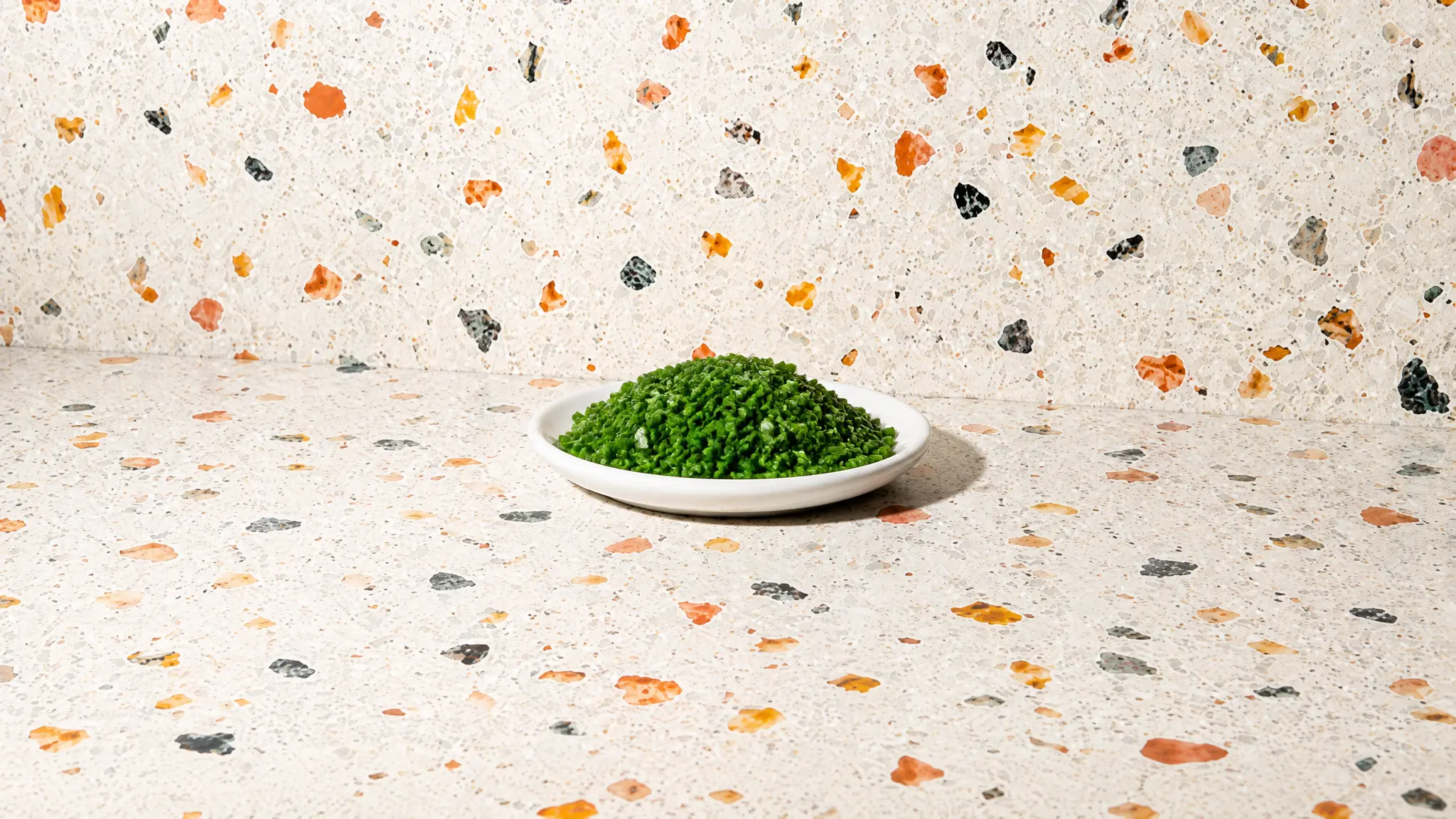
Babies can have chives from around 6 months, once developmentally ready for solid foods; wash and finely chop the chives, then mix a small amount into food with an appropriate texture.
- Serve Age6+months
Most babies start solids around 6 months once they show readiness signs. Match the texture and serving size to your baby's skills.
- No Allergens
Chives is not flagged as one of the major allergens tracked in this database. Still watch your baby closely when serving any new food.
- Choking Risk123451
Lower choking risk when served in the right texture. Always supervise meals and adjust the shape for your baby.
This guide is for everyday food prep questions. Ask your pediatrician about medical concerns, feeding delays, allergy plans, or serious reactions.
How Do You Serve Chives?
How to serve Chives to a 9-month-old baby
- 1Finely wash and mince chives (including chive flowers) into very small pieces, then fold them into soft, scoopable foods like rice porridge, mashed vegetables, plain yogurt, or scrambled eggs so the herb is evenly distributed.
- 2Start with a very small amount (about 1/8 teaspoon per serving) and offer one small portion the first time to check tolerance.
- 3After the initial serving, wait 2–3 days before offering larger amounts and watch for any signs of allergy or stomach upset.
- 4Ensure the food remains soft and scoopable and that chives are finely chopped to reduce any choking risk.
- 5If your family has a history of food sensitivities or allergies, consult your pediatrician before introducing new herbs.
How to serve Chives to a 18-month-old baby
- 1Very finely mince chives so pieces are tiny, then stir into soft foods like scrambled eggs, soft cheeses, yogurt, or mashed vegetables for even distribution.
- 2Begin with a small pinch to introduce the mild onion flavor and increase gradually as your child accepts it.
- 3Add chives to warm or cooked dishes rather than very cold dips so the flavor is gentler and the herbs soften.
- 4Always keep pieces small and well-mixed to reduce choking risk and make bites easy to chew and swallow.
How to serve Chives to a 24-month-old baby
- 1Rinse chives under cold water, pat dry, trim the ends, and chop finely so pieces are small and easy to swallow.
- 2Add chives at the end of cooking or sprinkle raw as a garnish—try them on dumplings, meatballs, noodles, salads, omelettes, or quick breads to boost flavor without extra salt.
- 3Offer a small amount mixed into familiar foods first and keep offering regularly even if they refuse at first.
- 4Cut away any tough stems and avoid large strips to reduce choking risk; always supervise while the child is eating.
- 5Store wrapped in a damp paper towel inside a sealed container in the fridge for up to a week, or freeze chopped chives in oil or water in ice cube trays for quick portions.
Is Chives a Common Allergen?
Chives are not a common priority allergen (not in nuts, peanuts, dairy, egg, soy, wheat/gluten, fish, shellfish, or sesame) and allergic reactions are uncommon. However chives are in the Allium family (onion, garlic, leeks) so people with onion/garlic allergy or sensitivity can react; oral allergy syndrome or mild GI/skin reactions have been reported. Use small amounts with infants and watch for mouth itch, hives, vomiting, or breathing difficulty; avoid if there is a known allium allergy and seek emergency care for severe reactions.
Is Chives a Choking Hazard?
Very Low Choking Risk
Chives are not generally a choking hazard—stems usually pose no unusual risk. However, intact chive flowers or larger fibrous pieces could present a choking risk for young babies. Always supervise meals, stay within an arm’s reach, and remove any intact flower clusters or large pieces before offering to your child.
Have More Questions?
Babies can eat chives from around 6 months, once they are developmentally ready for solid foods.
Chives can be included in a varied diet for babies from around 6 months, once they are developmentally ready, but the small culinary amounts used should not be treated as a major source of nutrition.
Chives are not listed among the common choking hazards in CDC guidance, but no food is risk-free. Wash and finely chop chives, mix them into food with a texture appropriate for your baby's development, and supervise eating closely.
Chives are not among the foods highlighted as common allergens in NHS infant-feeding guidance, although an allergic reaction to a food is still possible. Introduce chives in a small amount so any reaction can be noticed, and seek medical advice if symptoms occur.
Raw chives can be served from around 6 months once your baby is developmentally ready for solid foods. Wash them thoroughly, chop them finely, mix a small amount into food with an appropriate texture, and supervise your baby while eating.
Save Chives to your food log
Track foods, reactions, and prep notes in Tummi when you want to keep your baby's feeding history in one place.
Sources
- Optimization of Polyphenol Extraction from Allium ampeloprasum var. porrum through Response Surface Methodology doi.org
- Chemical composition, antibacterial and antioxidant activities of six essentials oils from the Alliaceae family doi.org
- Kaempferol: A Key Emphasis to Its Anticancer Potential doi.org
- Garlic and onions: their cancer prevention properties doi.org
- Simple saponification method for the quantitative determination of carotenoids in green vegetables doi.org
- Evaluation and comparison of the content of total polyphenols and antioxidant activity of selected species of the genus Allium doi.org
What Other Herb/Spice Can Babies Eat?
See all →


Source-Linked Guidance
See the evidence behind the guide.
Food guides show direct links to public-health guidance and research when supporting references are available. Source inclusion does not imply endorsement.
 Centers for Disease Control and Prevention
Developmental milestones, nutrition guidelines, and allergen introduction timelines.
 American Academy of Pediatrics
Evidence-based feeding recommendations from the leading pediatric authority.
 National Institutes of Health
Peer-reviewed research on infant nutrition, allergies, and food safety.