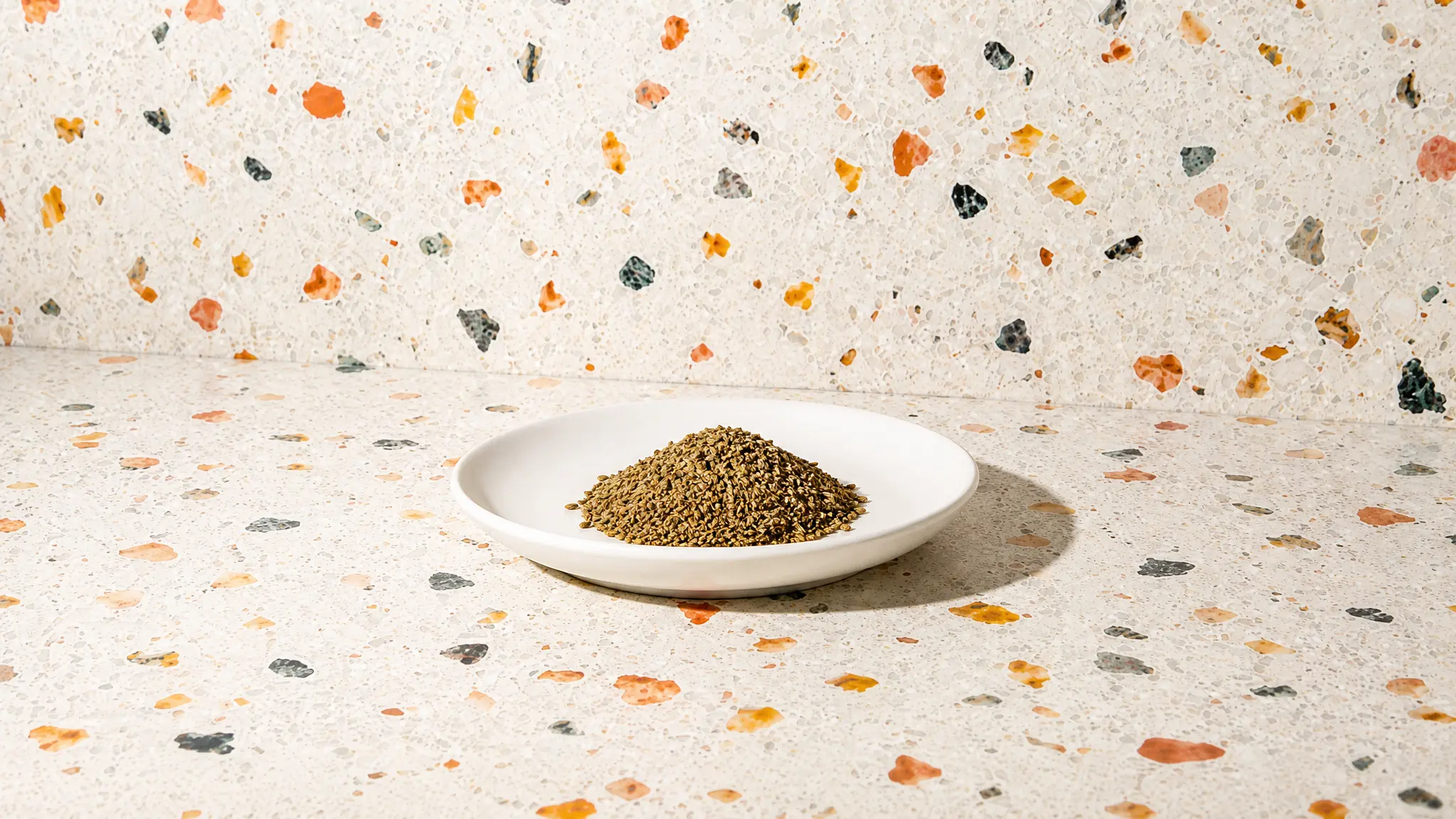
Anise (Aniseed)
Herb/Spice
Last updated July 5, 2026. The Tummi Food Team maintains this Can I Feed This safety guide guide. Supporting links appear in Sources when available.



Clinically reviewed by Andria Procopio and Arefa Mohamed
Direct answer
Can babies eat Anise (Aniseed)?
Yes, babies can have anise starting around 6 months, when they are ready to begin solids, in culinary amounts suitable for their age.
- Serve Age6+months
Most babies start solids around 6 months once they show readiness signs. Match the texture and serving size to your baby's skills.
- No Allergens
Anise (Aniseed) is not flagged as one of the major allergens tracked in this database. Still watch your baby closely when serving any new food.
- Choking Risk123451
Lower choking risk when served in the right texture. Always supervise meals and adjust the shape for your baby.
This guide is for everyday food prep questions. Ask your pediatrician about medical concerns, feeding delays, allergy plans, or serious reactions.
How Do You Serve Anise (Aniseed)?
How to serve Anise (Aniseed) to babies 6 months and older
- 1Start by mixing a very small pinch of finely ground anise into a neutral, soft food like cooked sweet potato, pureed fruit, or full‑fat yogurt so the flavor is diluted and easy to swallow.
- 2Offer the spice alone on a small spoonful first and wait a short time to check for sensitivity before combining with other foods.
- 3Avoid whole seeds and use only a tiny pinch — too much can be strong and pose a choking risk.
- 4Supervise closely while eating and introduce no other new foods for 2–3 days so you can watch for any allergic reaction.
How to serve Anise (Aniseed) to babies 12 months and older
- 1Crush or grind anise seeds before using, or use ground anise in baked goods so pieces are too small to be a choking hazard.
- 2For sauces, stews, or marinades add whole seeds at the start of cooking so they have time to soften; for quick recipes choose ground anise.
- 3Introduce anise on its own and observe for allergy-like reactions for 48–72 hours after first exposure; stop feeding and seek medical care if you notice hives, vomiting, swelling, or breathing trouble.
- 4Avoid concentrated extracts or supplements and check pre-blended spices for hidden allergens, added salt, or sugar; start with a small amount to test tolerance and flavor.
Is Anise (Aniseed) a Common Allergen?
Anise (aniseed) is not a common top‑8 allergen, but allergic reactions have been reported. Most commonly it causes oral allergy syndrome (itching/tingling of the mouth or throat), though rare systemic reactions including anaphylaxis have been documented; cross‑reactivity with other Apiaceae spices and pollen allergens may occur. Parents of children with spice or pollen allergies, asthma, or prior severe allergic reactions should watch for mouth/throat itching, hives, breathing difficulty, or vomiting after exposure and seek medical care for any concerning symptoms.
Is Anise (Aniseed) a Choking Hazard?
Very Low Choking Risk
Anise presents a low choking risk overall, but the small, hard seeds can pose a hazard for young children. Stay within arm’s reach and watch closely while baby is eating so you can respond immediately if they struggle. Be familiar with infant choking first aid and call emergency services if your child can’t breathe, cough, or cry.
Have More Questions?
Yes. Anise can be introduced to babies around 6 months old, once they are starting solids, and used in small, culinary amounts.
Yes. Anise contains small amounts of vitamins, minerals, and plant compounds, which may have anti-inflammatory and antioxidant properties, making it a healthy addition in moderation.
No. Allergies to anise are rare, but some individuals may react, especially those with pollen sensitivities or specific spice allergies. Always read labels and introduce gradually.
No. When prepared properly for a baby's age, ground anise seeds or small amounts in food do not pose a choking risk, but always supervise eating.
No. Anise and star anise are different plants with similar flavors but are not interchangeable in recipes, so do not substitute one for the other in baby food.
Save Anise (Aniseed) to your food log
Track foods, reactions, and prep notes in Tummi when you want to keep your baby's feeding history in one place.
Sources
- Aniseed allergy — University of Manchester InformAll research.bmh.manchester.ac.uk
- Occupational rhinoconjunctivitis and food allergy because of aniseed sensitization (Annals of Allergy, Asthma & Immunology, 2002) doi-org.laneproxy.stanford.edu
- Oral Allergy Syndrome: An Update for Stomatologists (Journal of Allergy, 2015) doi.org
- Food Allergy — Mayo Clinic mayoclinic.org
- Oral Allergy Syndrome (OAS) or Pollen Fruit Syndrome (PFS) — AAAAI aaaai.org
- Spices and Food Allergy — Kids With Food Allergies kidswithfoodallergies.org
What Other Herb/Spice Can Babies Eat?
See all →





Source-Linked Guidance
See the evidence behind the guide.
Food guides show direct links to public-health guidance and research when supporting references are available. Source inclusion does not imply endorsement.
 Centers for Disease Control and Prevention
Developmental milestones, nutrition guidelines, and allergen introduction timelines.
 American Academy of Pediatrics
Evidence-based feeding recommendations from the leading pediatric authority.
 National Institutes of Health
Peer-reviewed research on infant nutrition, allergies, and food safety.