Cinnamon
Herb/Spice
Last updated July 5, 2026. The Tummi Food Team maintains this Can I Feed This safety guide guide. Supporting links appear in Sources when available.



Clinically reviewed by Andria Procopio and Arefa Mohamed
Direct answer
Can babies eat Cinnamon?
Yes, cinnamon can be introduced around 6 months in small amounts, but avoid supplements and essential oils due to potential lead contamination.
- Serve Age6+months
Most babies start solids around 6 months once they show readiness signs. Match the texture and serving size to your baby's skills.
- No Allergens
Cinnamon is not flagged as one of the major allergens tracked in this database. Still watch your baby closely when serving any new food.
- Choking Risk123451
Lower choking risk when served in the right texture. Always supervise meals and adjust the shape for your baby.
This guide is for everyday food prep questions. Ask your pediatrician about medical concerns, feeding delays, allergy plans, or serious reactions.
How Do You Serve Cinnamon?
How to serve Cinnamon to babies 6 months and older
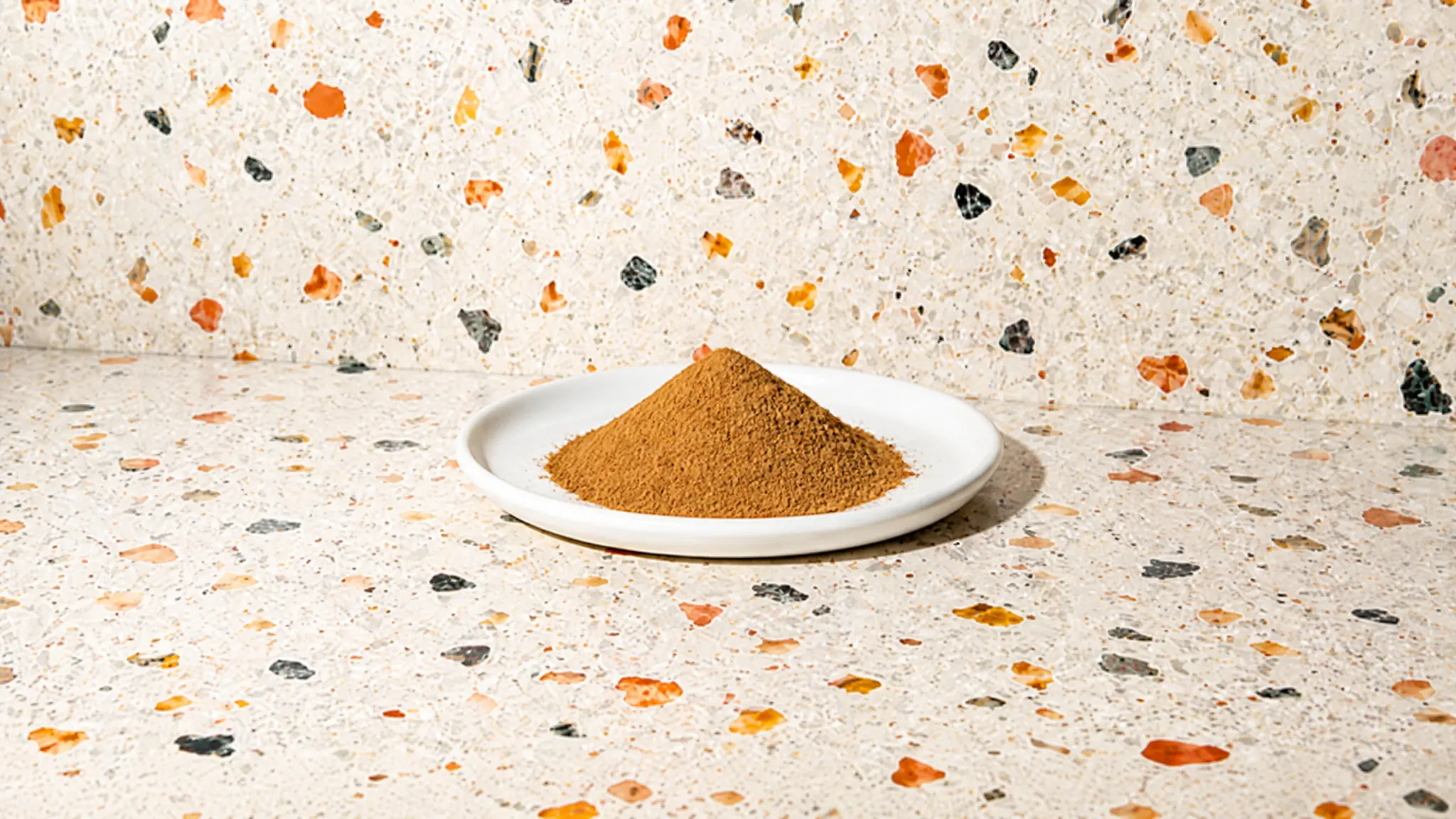
- 1Sprinkle a very small amount of finely ground cinnamon onto well-cooked, mashed fruit or vegetables—start with a tiny pinch and increase slowly over several feedings.
- 2Stir a pinch into warm cereal or coconut rice after cooking so the spice is evenly distributed and cool enough to serve.
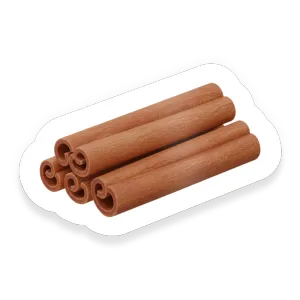
- 3Use whole cinnamon sticks only to flavor foods during cooking and always remove them before serving.
- 4Offer only small amounts for the first few feedings and watch your baby for skin rashes, coughing, or breathing changes. Cinnamon essential oils should never be used and avoid supplements.
- 5If you have concerns or a family history of food allergies, check with your pediatrician before introducing cinnamon.
How to serve Cinnamon to babies 12 months and older
- 1Use finely ground cinnamon in cooked family dishes—stir it into curried vegetables, sauces, minced meat (keema), or poached fruits; remove whole cinnamon sticks before serving.
- 2Start with a small amount when introducing a dish (for example, 1/8–1/4 tsp in a small batch) and adjust to taste as you become familiar with the flavour.
- 3Observe for any signs of sensitivity after first exposures (rash, vomiting, or breathing changes) and stop use if these occur.
- 4Ensure food textures are appropriate and always supervise meals to reduce choking; do not give whole sticks or hard pieces to children.
Is Cinnamon a Common Allergen?
Cinnamon is not a common ‘top‑9’ food allergen, but some people can be allergic or sensitive to it. Cinnamon oil or powder may cause mouth or skin irritation and contact dermatitis in sensitive individuals, and rare true allergic reactions have been reported. Products containing cinnamon can also be processed with other allergens or contaminated—always check labels and watch for hives, swelling, breathing issues, or oral irritation. If a child shows symptoms after exposure, stop use and seek medical advice.
Is Cinnamon a Choking Hazard?
Very Low Choking Risk
Cinnamon is not a major choking hazard: both whole sticks and finely ground cinnamon are generally low risk compared with many other foods, though any item can potentially cause choking. Dry powdered cinnamon can provoke coughing or be inhaled, and whole sticks could cause gagging or obstruction if a child chews or swallows them. Always stay within arm’s reach during feeds and be prepared to act—learn infant choking first aid.
Have More Questions?
It depends. Since cinnamon can sometimes cause skin irritation or contact rash, monitor your baby for any adverse reactions when introducing it.
It depends. Due to the recall of some cinnamon products for elevated lead levels, always choose reputable brands and avoid ground cinnamon from questionable sources.
It depends. While cinnamon is safe in culinary amounts, avoid giving your baby cinnamon supplements or essential oils, as they are not suitable for infants.
It depends. Introducing cinnamon to babies as young as 6 months is common, but start with very small amounts and observe for any sensitivities.
It depends. Since cinnamon is not a common allergen, the risk is low, but always watch for any skin reactions or irritations when first offering it.
Save Cinnamon to your food log
Track foods, reactions, and prep notes in Tummi when you want to keep your baby's feeding history in one place.
Sources
What Other Herb/Spice Can Babies Eat?
See all →


Source-Linked Guidance
See the evidence behind the guide.
Food guides show direct links to public-health guidance and research when supporting references are available. Source inclusion does not imply endorsement.
 Centers for Disease Control and Prevention
Developmental milestones, nutrition guidelines, and allergen introduction timelines.
 American Academy of Pediatrics
Evidence-based feeding recommendations from the leading pediatric authority.
 National Institutes of Health
Peer-reviewed research on infant nutrition, allergies, and food safety.