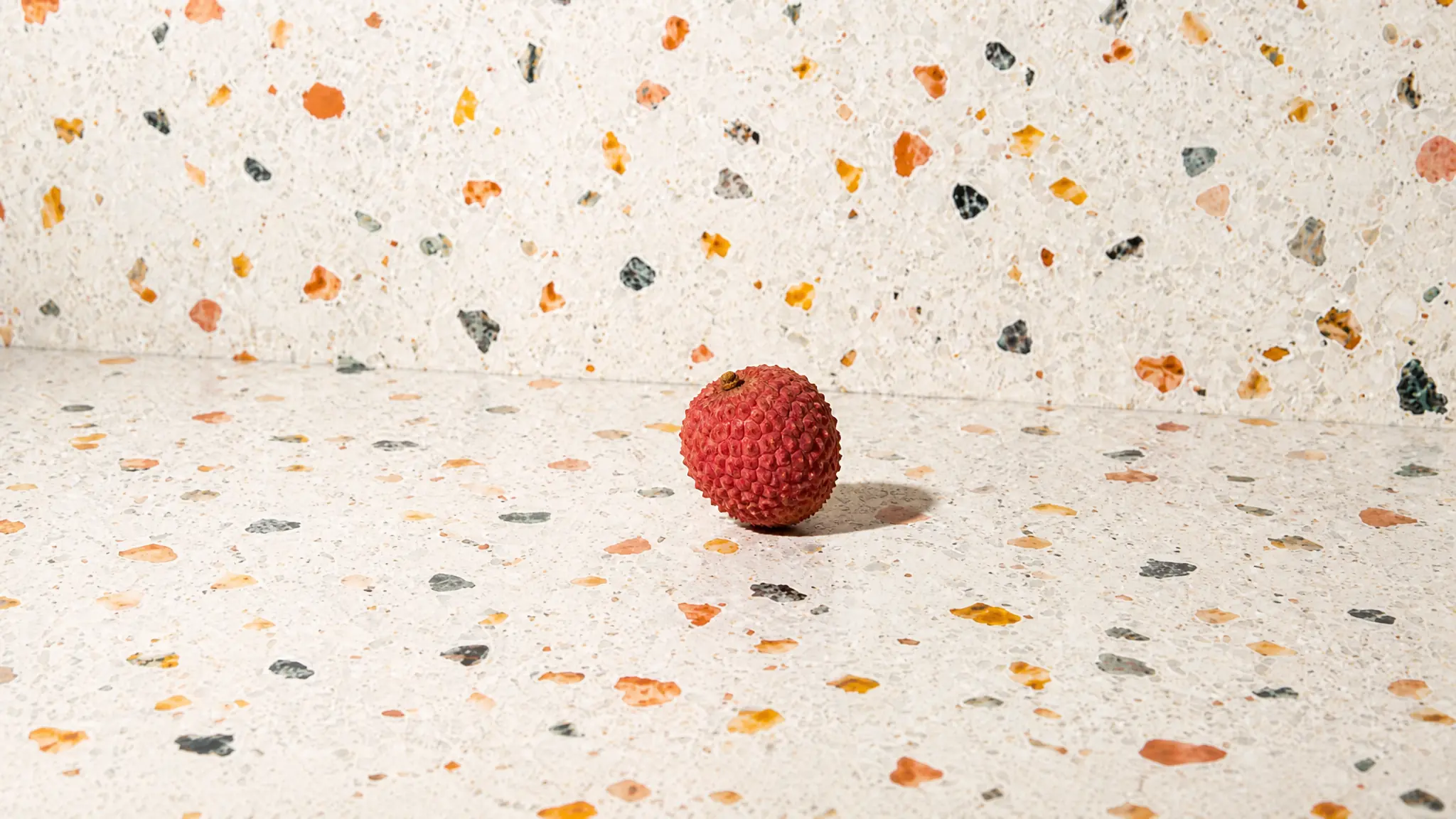
Lychee
Fruit
Last updated July 5, 2026. The Tummi Food Team maintains this Can I Feed This safety guide guide. Supporting links appear in Sources when available.



Clinically reviewed by Andria Procopio and Arefa Mohamed
Direct answer
Can babies eat Lychee?
Yes, lychee can be introduced around 6 months when your baby is ready for solids; ensure the seed is removed to prevent choking and toxicity.
- Serve Age6+months
Most babies start solids around 6 months once they show readiness signs. Match the texture and serving size to your baby's skills.
- No Allergens
Lychee is not flagged as one of the major allergens tracked in this database. Still watch your baby closely when serving any new food.
- Choking Risk123454
Higher choking risk. Watch the prep steps closely, especially because this food can be small and round and slippery.
This guide is for everyday food prep questions. Ask your pediatrician about medical concerns, feeding delays, allergy plans, or serious reactions.
How Do You Serve Lychee?
How to serve Lychee to babies 6 months and older
- 1Peel the lychee and remove the seed; ensure all skin and any small fragments are discarded.
- 2Finely chop the flesh into very small pieces and mix into scoopable foods like congee, warm cereal, yogurt, or mashed banana so it’s easy to scoop.
- 3Serve only small, soft pieces to reduce choking risk. Supervise closely and keep baby seated upright during feeding.
- 4Use fresh or canned lychee (drained) and introduce it alone first, waiting a few days to watch for any reaction.
How to serve Lychee: Varies
- 1Offer whole or nearly whole lychee only after a child consistently shows mature eating skills; if you’re unsure, serve peeled or sliced lychee instead as a safer option.
- 2Demonstrate how to prepare a whole lychee: pinch and peel the skin, split the fruit, and pull the flesh away from the pit so the child can see each step.
- 3Teach and practice removing and disposing of the pit. Show the child to drop the pit into a bin and never put it in their mouth.
- 4Always supervise closely while the child handles whole fruit and give short reminders (for example: "Don’t eat the pit") until safe habits are established.
How to serve Lychee to babies 9 months and older
- 1Peel and remove the seed, then cut the lychee into quarters or very small pieces your child can gum.
- 2If pieces are slippery, lightly toss with a pinch of dry infant cereal or finely shredded coconut so they're easier to grasp.
- 3For early eaters or first tastes, mash or chop further until soft and no large chunks remain. Check texture by pressing between your finger and thumb.
- 4Always seat the child upright, offer lychee on a flat plate, and stay within arm's reach while they eat.
- 5Refrigerate leftovers and use within 24 hours; discard if the fruit becomes slimy or smells off.
How to serve Lychee to babies 12 months and older
- 1Halve each lychee and remove the seed completely; you can quarter them if you want firmer pieces.
- 2Offer small, manageable pieces so the child can practice chewing firmer textures while reducing choking risk.
- 3Sit within arm’s reach and supervise closely while they eat.
- 4Encourage chewing by demonstrating slow, exaggerated chewing and praising attempts. Stay alert and ready to assist if needed.
Is Lychee a Common Allergen?
Lychee allergy is uncommon but documented; exposed children may develop oral irritation, hives, contact dermatitis, or — rarely — systemic reactions including anaphylaxis. Identified allergens include profilin and other proteins that can cross‑react with pollens (e.g., mugwort/birch) and related fruits, so children with pollen or fruit allergies may be at higher risk. Handling the fruit can trigger contact reactions in sensitized people. Watch for itching, swelling, vomiting, or breathing difficulty after exposure and seek urgent care for severe symptoms.
Is Lychee a Choking Hazard?
Elevated Choking Risk
Lychee is a notable choking hazard for babies because both the firm flesh and the inner seed can obstruct the airway. Parents should remove the seed, stay within arm’s reach during meals, and watch closely for any gagging or signs of distress when introducing this fruit.
Have More Questions?
Yes. Lychee can be introduced to babies as young as 6 months, provided the seed is removed and it is prepared safely.
Yes. Ripe lychees contain essential nutrients beneficial for babies, such as vitamin C and antioxidants, supporting their overall health and development.
No. Allergies to lychee are rare but possible, especially in children with pollen sensitivities; introduce gradually and observe for reactions.
Yes. The inner seed and firm flesh pose choking risks, so always peel and cut lychee into small pieces, removing the seed before offering to your baby.
It depends. Small amounts of pasteurized lychee juice can be given after 12 months, but waiting until age 2 is preferable to avoid excess sugar intake.
Save Lychee to your food log
Track foods, reactions, and prep notes in Tummi when you want to keep your baby's feeding history in one place.
Sources
- The enigma of litchi toxicity: An emerging health concern in southern Asia doi.org
What Other Fruit Can Babies Eat?
See all →



Source-Linked Guidance
See the evidence behind the guide.
Food guides show direct links to public-health guidance and research when supporting references are available. Source inclusion does not imply endorsement.
 Centers for Disease Control and Prevention
Developmental milestones, nutrition guidelines, and allergen introduction timelines.
 American Academy of Pediatrics
Evidence-based feeding recommendations from the leading pediatric authority.
 National Institutes of Health
Peer-reviewed research on infant nutrition, allergies, and food safety.