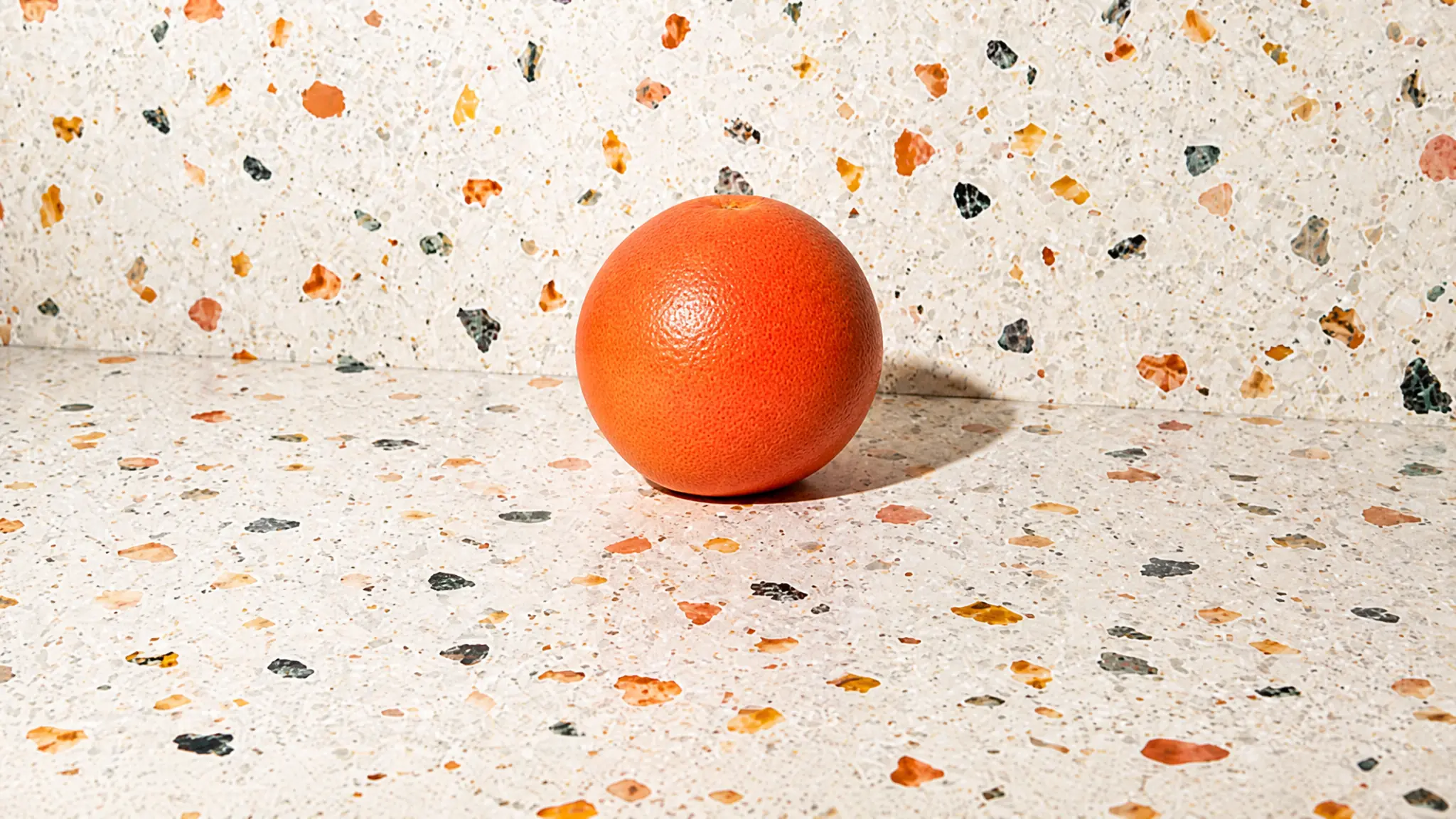
Grapefruit
Fruit
Last updated July 5, 2026. The Tummi Food Team maintains this Can I Feed This safety guide guide. Supporting links appear in Sources when available.



Clinically reviewed by Andria Procopio and Arefa Mohamed
Direct answer
Can babies eat Grapefruit?
Yes, grapefruit can be introduced around 6 months when babies start solids, but monitor for skin rash or diaper irritation due to acidity.
- Serve Age6+months
Most babies start solids around 6 months once they show readiness signs. Match the texture and serving size to your baby's skills.
- No Allergens
Grapefruit is not flagged as one of the major allergens tracked in this database. Still watch your baby closely when serving any new food.
- Choking Risk123451
Lower choking risk when served in the right texture. Always supervise meals and adjust the shape for your baby.
This guide is for everyday food prep questions. Ask your pediatrician about medical concerns, feeding delays, allergy plans, or serious reactions.
How Do You Serve Grapefruit?
How to serve Grapefruit to babies 6 months and older
- 1Peel each grapefruit segment and remove all membrane and any seeds, then slice into thin, finger-sized strips so they are easy to grasp and mouth.
- 2Offer one piece at a time on the tray or a plate so your baby can pick it up and practise self-feeding.
- 3Stay within arm's reach. Watch closely and be ready to intervene, but do not force the food or put your fingers into your baby's mouth.
- 4If a large bite causes coughing or gagging, stay calm and encourage coughing and seek emergency help if breathing does not recover.
How to serve Grapefruit to babies 9 months and older
- 1Peel and segment the grapefruit, remove the tough membrane and any seeds, then cut segments into thin, bite-sized strips about 1/2 inch wide so they’re easy to gum and swallow.
- 2Offer thin slices or short strips instead of whole wedges to reduce choking risk and support self-feeding and the pincer grasp.
- 3Serve plain at room temperature — no added sugar — and wipe away excess juice to keep hands and surfaces manageable.
- 4Always seat your child upright and stay within arm’s reach while they eat; remove any pieces that are too large or slippery.
- 5Start with a small amount to check tolerance, and if you notice persistent coughing, gagging, or a rash, stop and consult your pediatrician.
How to serve Grapefruit to babies 12 months and older
- 1Remove the peel, membrane, and all seeds, then cut the flesh into small, bite-sized pieces (about the size of a grape) for easy picking.
- 2Serve pieces on a small plate or divided dish to make reaching and choosing easier, offering one or two pieces at a time.
- 3Introduce a child-sized fork and demonstrate how to spear and lift a piece to encourage utensil practice; guide their hand once or twice if needed.
- 4Always supervise closely while the child eats. Stop feeding immediately if they cough persistently, choke, or show trouble breathing.
Is Grapefruit a Common Allergen?
Most people are not allergic to grapefruit, and it is not a common trigger among major food allergens (milk, eggs, nuts, shellfish, soy, wheat, peanuts, sesame). However, citrus allergies do occur in some children and can cause hives, swelling, or oral allergy symptoms (itchy or tingling mouth/throat) in those with pollen sensitivities. Grapefruit can also irritate sensitive skin or cause mouth soreness in toddlers, and its seeds/pulp present a choking risk—serve age-appropriate portions and remove seeds. Note: grapefruit can interact with many prescription medications (e.g., certain statins); check with a healthcare provider if your child is on medication.
Is Grapefruit a Choking Hazard?
Low Choking Risk
Citrus segments left in their membranes can be a choking hazard for babies, and grapefruit seeds may be an aspiration risk. Removing the membrane and any seeds reduces that risk, and you should stay within arm’s reach during meals so you can respond quickly if gagging or choking occurs. If you’re worried, make sure you and any caregivers know infant choking first aid and consult your pediatrician with concerns.
Have More Questions?
It depends. Grapefruit's acidity may cause skin irritation or diaper rash in some babies, and should be introduced cautiously, monitoring for any reactions or discomfort.
Yes. Grapefruit is rich in vitamins and antioxidants that support immune health and development in babies, making it a healthy addition to their diet when introduced appropriately.
No. Grapefruit is not a common allergen, but some children with pollen allergies may experience oral allergy syndrome or skin reactions. Peeling the fruit can reduce some sensitivities.
It depends. Grapefruit seeds can be a choking hazard if not removed, and the segment membranes should be discarded to prevent choking risks.
Yes. You can store peeled or pureed grapefruit in an airtight container in the fridge for up to 24 hours, but it's best to serve fresh for optimal flavor and safety.
Save Grapefruit to your food log
Track foods, reactions, and prep notes in Tummi when you want to keep your baby's feeding history in one place.
Sources
- Bailey DG, Dresser G, Arnold JM. Grapefruit-medication interactions (CMAJ, 2013) doi.org
- Hung WL, Suh JH, Wang Y. Chemistry and health effects of furanocoumarins in grapefruit (J Food Drug Anal, 2017) doi.org
- Guo LQ, Yamazoe Y. Inhibition of cytochrome P450 by furanocoumarins (Acta Pharmacol Sin, 2004) pubmed.ncbi.nlm.nih.gov
- American Academy of Allergy, Asthma & Immunology. Oral allergy syndrome (OAS) aaaai.org
- Iorio RA et al. Citrus allergy from pollen to clinical symptoms (PLOS ONE, 2013) journals.plos.org
- Kashyap RR & Kashyap RS. Oral Allergy Syndrome: An Update for Stomatologists (Journal of Allergy, 2015) hindawi.com
- Cardullo AC et al. Allergic contact dermatitis from citrus peel (J Am Acad Dermatol, 1989) doi.org
- Weber IC et al. Phytophotodermatitis: the other 'lime' disease (J Emerg Med, 1999) pubmed.ncbi.nlm.nih.gov
- World Health Organization. WHO Guideline for complementary feeding of infants and young children 6-23 months (2023) who.int
- Fidler Mis et al. Sugar in Infants, Children and Adolescents (J Pediatr Gastroenterol Nutr, 2017) doi.org
What Other Fruit Can Babies Eat?
See all →








Source-Linked Guidance
See the evidence behind the guide.
Food guides show direct links to public-health guidance and research when supporting references are available. Source inclusion does not imply endorsement.
 Centers for Disease Control and Prevention
Developmental milestones, nutrition guidelines, and allergen introduction timelines.
 American Academy of Pediatrics
Evidence-based feeding recommendations from the leading pediatric authority.
 National Institutes of Health
Peer-reviewed research on infant nutrition, allergies, and food safety.