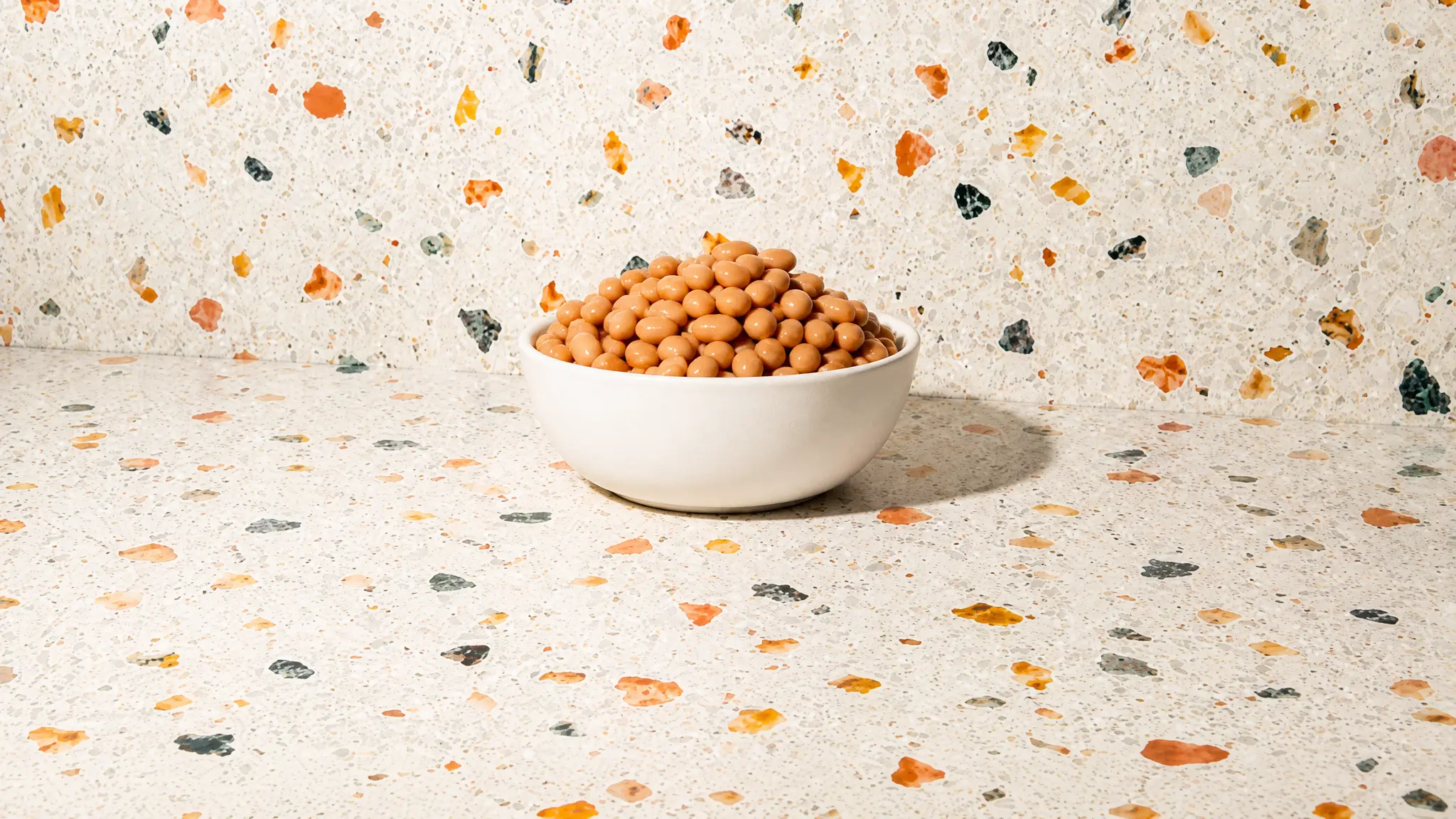
Tepary Bean
Legume
Last updated July 5, 2026. The Tummi Food Team maintains this Can I Feed This safety guide guide. Supporting links appear in Sources when available.



Clinically reviewed by Andria Procopio and Arefa Mohamed
Direct answer
Can babies eat Tepary Bean?
Yes, tepary beans can be introduced around 6 months of age when baby is ready to start solids, ensuring they are cooked thoroughly and mashed well.
- Serve Age6+months
Most babies start solids around 6 months once they show readiness signs. Match the texture and serving size to your baby's skills.
- No Allergens
Tepary Bean is not flagged as one of the major allergens tracked in this database. Still watch your baby closely when serving any new food.
- Choking Risk123454
Higher choking risk. Watch the prep steps closely, especially because this food can be small and round and slippery.
This guide is for everyday food prep questions. Ask your pediatrician about medical concerns, feeding delays, allergy plans, or serious reactions.
How Do You Serve Tepary Bean?
How to serve Tepary Bean to babies 6 months and older
- 1Cook tepary beans until very soft, then mash or puree to a smooth or slightly lumpy texture so the child can scoop or be spoon-fed.
- 2If the mash is too thick, thin with breastmilk, formula, olive oil, or plain yogurt until it's easy to spoon—spreadable consistency.
- 3Mix small amounts into soft foods like porridge, mashed potato, or stewed vegetables to introduce flavor and texture gradually.
- 4Start with small portions and watch for signs of digestive upset or allergy; ensure beans are fully cooked and well mashed to reduce choking risk.
How to serve Tepary Bean to babies 9 months and older
- 1Cook tepary beans until very soft so they mash easily; for babies who can pick up small pieces, gently press whole beans flat to make them easier to grab.
- 2Serve small portions on a shallow plate or on a pre-loaded spoon to encourage self-feeding, using mashed beans or slightly flattened whole beans for easy scooping.
- 3Remove or cook down any firm skins and avoid adding salt or honey; always supervise closely while your baby eats.
- 4Offer a single soft dipper at a time—soft cooked vegetable strips or avocado pieces work well—to practice dipping without overwhelming the baby.
- 5Cool and store leftovers in the fridge up to 3 days or freeze in small portions; reheat until steaming and test the temperature before serving.
How to serve Tepary Bean to babies 12 months and older
- 1Cook tepary beans until very soft so they mash easily when pressed between finger and tongue; drain and cool to a safe temperature before serving.
- 2Offer small amounts of whole, well‑cooked beans as finger food and demonstrate how to pick them up or use a child‑safe fork to spear one to practice grasping.
- 3If your child is still learning to chew or use utensils, mash some beans or pre-load a small spoon with softened beans for guided practice.
- 4Always supervise mealtimes and keep portions small; check softness and size before serving to reduce choking risk.
Is Tepary Bean a Common Allergen?
Tepary bean is a legume and is not a common top allergen for most children. People with peanut or soy allergies can sometimes test positive to other legumes, but true clinical reactions between different beans are uncommon (clinical cross-reactivity estimated to be <5%). Cross-contamination with peanuts during processing is possible, so exercise caution if your child has a severe peanut allergy. When introducing tepary beans to a child with known food allergies, offer a small amount at home and consult your allergist if you have concerns.
Is Tepary Bean a Choking Hazard?
Elevated Choking Risk
Tepary beans can be a choking hazard because they’re small, rounded, and may be firm, particularly if undercooked. When introducing them, stay within arm’s reach and watch closely for coughing, gagging, or changes in breathing. Ensure caregivers know basic choking first-aid and keep mealtimes calm and distraction-free.
Have More Questions?
Yes. It depends on the baby's readiness and ability to tolerate a variety of textures, but tepary beans can be introduced around 6 months when they are well-cooked and mashed to prevent any choking hazards.
Yes. Tepary beans are healthy for babies as they are rich in iron, protein, and fiber, supporting energy, digestion, and neurodevelopment.
No. Tepary beans are not a common allergen, but as with all foods, monitor for reactions, especially if your family has legume allergies.
It depends. Tepary beans can be a choking hazard if not prepared properly; always serve them fully cooked, mashed, or in small, manageable pieces.
Yes. You can store cooked tepary beans in an airtight container in the fridge for up to 3 days or freeze for longer storage.
Save Tepary Bean to your food log
Track foods, reactions, and prep notes in Tummi when you want to keep your baby's feeding history in one place.
Sources
What Other Legume Can Babies Eat?
See all →
Source-Linked Guidance
See the evidence behind the guide.
Food guides show direct links to public-health guidance and research when supporting references are available. Source inclusion does not imply endorsement.
 Centers for Disease Control and Prevention
Developmental milestones, nutrition guidelines, and allergen introduction timelines.
 American Academy of Pediatrics
Evidence-based feeding recommendations from the leading pediatric authority.
 National Institutes of Health
Peer-reviewed research on infant nutrition, allergies, and food safety.