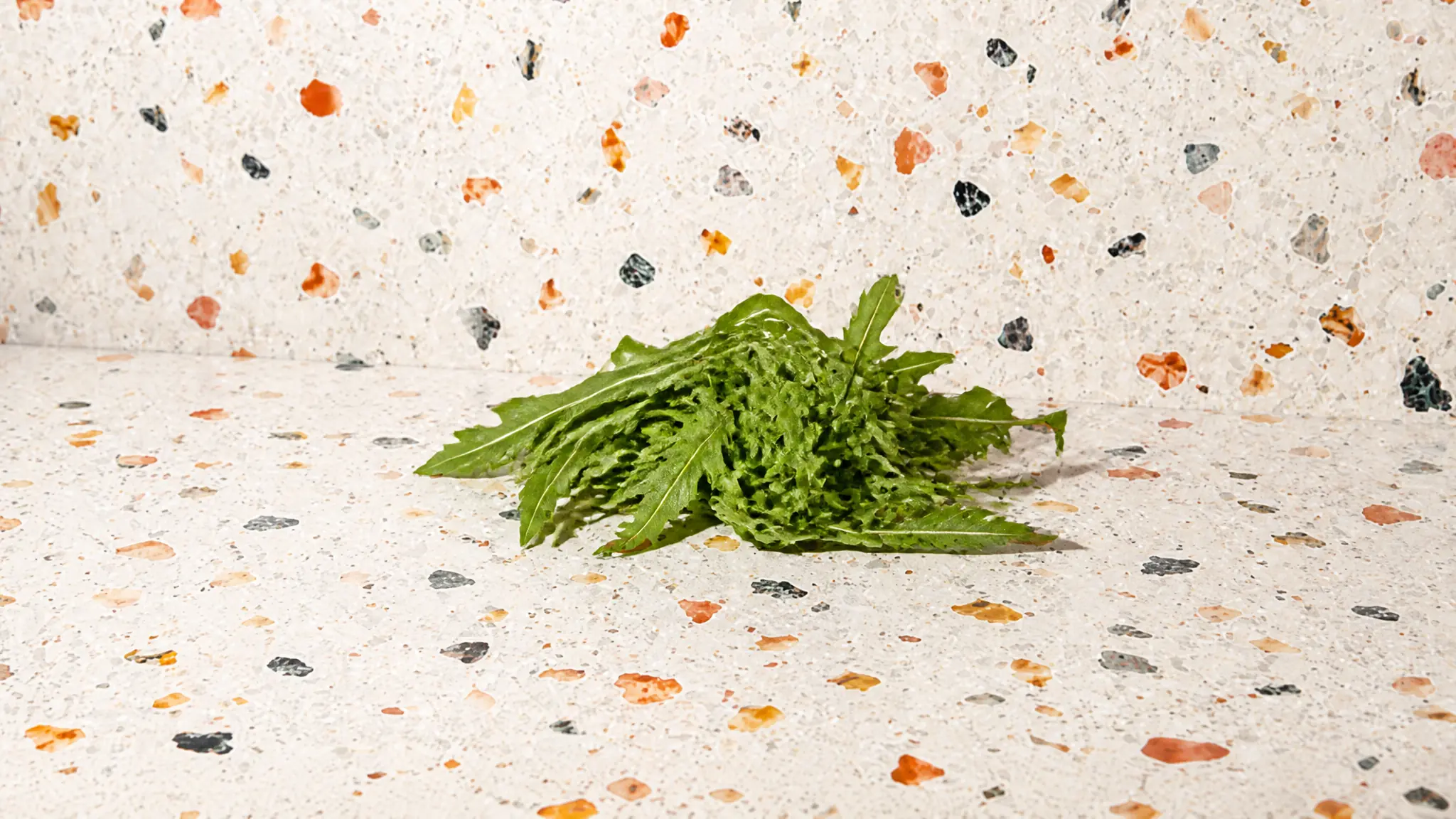
Arugula (Rocket)
Vegetable
Last updated July 5, 2026. The Tummi Food Team maintains this Can I Feed This safety guide guide. Supporting links appear in Sources when available.



Clinically reviewed by Andria Procopio and Arefa Mohamed
Direct answer
Can babies eat Arugula (Rocket)?
Yes, arugula can be introduced around 6 months when babies start solids; serve in small, manageable pieces.
- Serve Age6+months
Most babies start solids around 6 months once they show readiness signs. Match the texture and serving size to your baby's skills.
- No Allergens
Arugula (Rocket) is not flagged as one of the major allergens tracked in this database. Still watch your baby closely when serving any new food.
- Choking Risk123451
Lower choking risk when served in the right texture. Always supervise meals and adjust the shape for your baby.
This guide is for everyday food prep questions. Ask your pediatrician about medical concerns, feeding delays, allergy plans, or serious reactions.
Is Arugula (Rocket) a Common Allergen?
Arugula is not a common food allergen for most children, but it can cause oral allergy syndrome (pollen–food allergy) in people with pollen sensitivities, producing mouth or throat itching. Rare IgE‑mediated allergic reactions to arugula have been reported, so watch for hives, swelling, vomiting, difficulty breathing, or other systemic symptoms after eating. If a child with known pollen allergies reacts, avoid raw arugula and seek medical advice; cooking often reduces OAS symptoms.
Is Arugula (Rocket) a Choking Hazard?
Very Low Choking Risk
Arugula is generally a low choking risk, but raw leaves can stick to a baby’s tongue or the roof of the mouth and may cause harmless gagging. Any food can pose a choking risk, so stay within arm’s reach, keep mealtime calm and upright, and be ready to recognize the difference between gagging and true choking. Learn basic infant choking first aid so you can respond quickly if needed.
Have More Questions?
Yes. Arugula can be introduced to babies as soon as they start solids, around 6 months old, once they are developmentally ready.
Arugula can be included as one of a variety of vegetables offered from around 6 months, once a baby is developmentally ready for solid foods.
No. Arugula is not one of the nine major food allergens, although foods outside that list can still cause an allergic reaction.
Yes. Babies can choke on any food, so prepare arugula in a texture appropriate to your baby's development, have them sit upright, and watch them throughout the meal.
No. Nitrates are naturally present in arugula, but their levels in usual servings are not harmful to babies, especially when offered as part of a diverse diet.
Save Arugula (Rocket) to your food log
Track foods, reactions, and prep notes in Tummi when you want to keep your baby's feeding history in one place.
Sources
- Erucin, the major isothiocyanate in arugula (Eruca sativa), inhibits proliferation of MCF7 tumor cells by suppressing microtubule dynamics (Azarenko et al., 2014) doi.org
- Contact urticaria to raw arugula and parsley (Foti et al., 2011) doi.org
- Brassica oleracea pollen, a new source of occupational allergens (Hermanides et al., 2006) doi.org
- Oral Allergy Syndrome: An Update for Stomatologists (Kashyap & Kashyap, 2015) doi.org
- Nitrate in leafy green vegetables and estimated intake (Brkić et al., 2017) doi.org
- EFSA Explains: Nitrites and Nitrates Added in Food (European Food Safety Authority, 2017) efsa.europa.eu
What Other Vegetable Can Babies Eat?
See all →


Source-Linked Guidance
See the evidence behind the guide.
Food guides show direct links to public-health guidance and research when supporting references are available. Source inclusion does not imply endorsement.
 Centers for Disease Control and Prevention
Developmental milestones, nutrition guidelines, and allergen introduction timelines.
 American Academy of Pediatrics
Evidence-based feeding recommendations from the leading pediatric authority.
 National Institutes of Health
Peer-reviewed research on infant nutrition, allergies, and food safety.