Brussels Sprouts
Vegetable
Last updated July 5, 2026. The Tummi Food Team maintains this Can I Feed This safety guide guide. Supporting links appear in Sources when available.



Clinically reviewed by Andria Procopio and Arefa Mohamed
Direct answer
Can babies eat Brussels Sprouts?
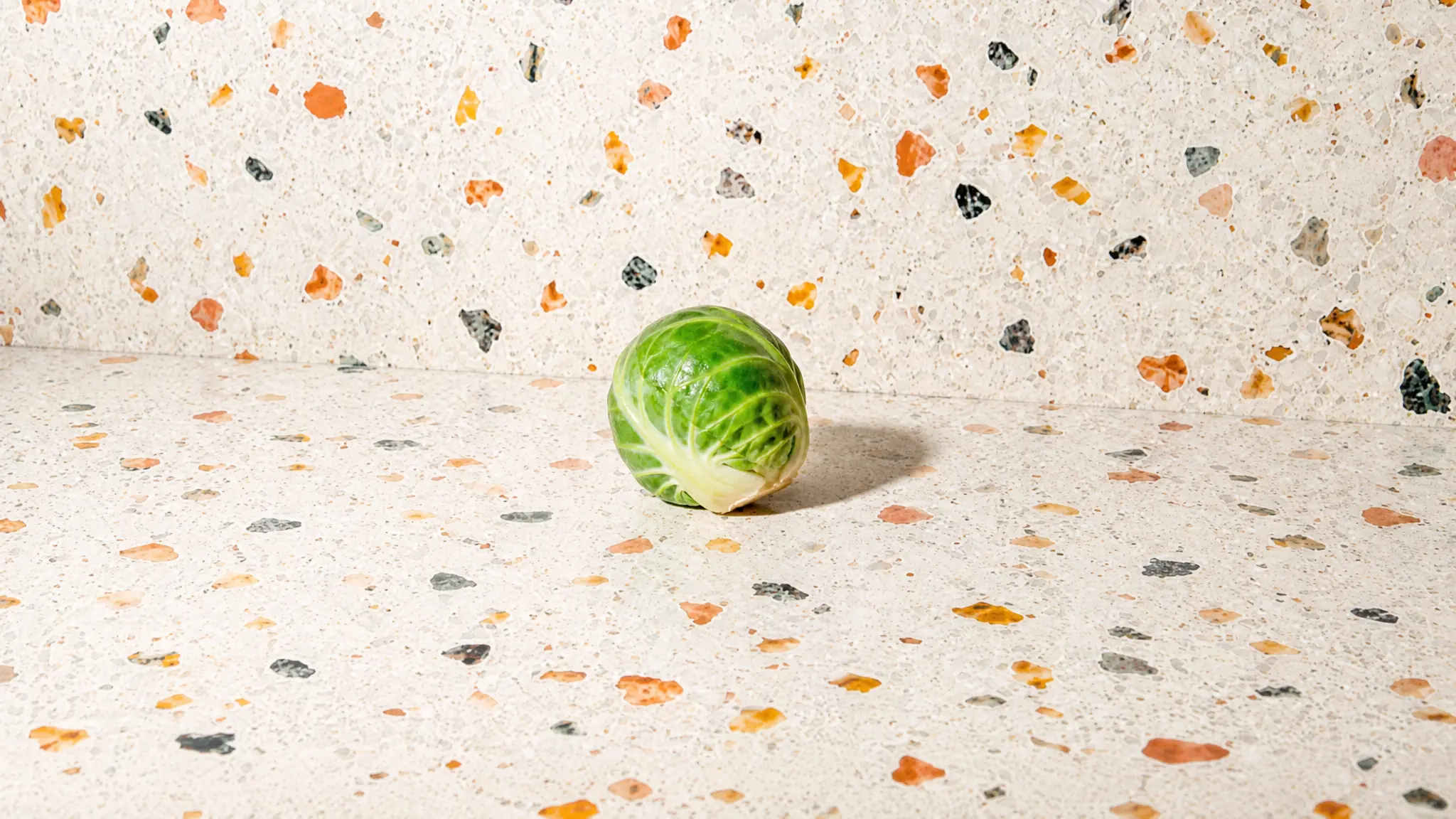
Yes, babies can eat cooked Brussels sprouts from around 6 months, ensuring they are tender and appropriately prepared to prevent choking.
- Serve Age6+months
Most babies start solids around 6 months once they show readiness signs. Match the texture and serving size to your baby's skills.
- No Allergens
Brussels Sprouts is not flagged as one of the major allergens tracked in this database. Still watch your baby closely when serving any new food.
- Choking Risk123455
Higher choking risk. Watch the prep steps closely, especially because this food can be small and round, hard, and slippery.
This guide is for everyday food prep questions. Ask your pediatrician about medical concerns, feeding delays, allergy plans, or serious reactions.
How Do You Serve Brussels Sprouts?
How to serve Brussels Sprouts to babies 6 months and older
- 1Cook until very soft — steam or simmer whole sprouts until a fork easily squishes through; test by squashing between thumb and finger.
- 2Trim stems and halve or quarter large sprouts so each piece is bigger than the baby’s mouth but soft enough to gum; always check temperature before serving.
- 3For small, tender sprouts, shred or finely chop and mix into a scoopable food (mashed potato, porridge, or yogurt) to make handling easier.
- 4Remove any tough outer leaves or hard cores, offer only under close supervision, and watch for choking while the food has fully cooled.
How to serve Brussels Sprouts to babies 9 months and older
- 1Cook until very tender—steam or roast and pierce the center with a fork to confirm softness and remove any loose outer leaves.
- 2Cut into bite-sized quarters or thin slices so baby can easily grasp pieces and practice self-feeding.
- 3If offering halved sprouts for bite-taking, trim the dense core and ensure the halves are very soft to reduce choking risk.
- 4Let pieces cool to lukewarm before serving and offer plain or with a light drizzle of olive oil; avoid hard toppings or whole leaves that could be hazardous.
How to serve Brussels Sprouts to babies 12 months and older
- 1Include brussels sprouts in family meals—serve shredded (raw or lightly steamed) or cut into small, firm pieces so your child can practice chewing.
- 2Introduce texture gradually: start fully cooked and shorten steaming or roasting time over several meals until pieces are firmer and chewier.
- 3For raw servings, shred thinly or slice, and toss with a little oil or dressing to make leaves softer and less dry.
- 4Encourage utensil use by pre-loading a toddler-safe fork with one small piece as a model, then supervise closely while your child attempts self-feeding.
- 5Always remove tough stems, cut out any hard cores, and serve pieces no larger than a child’s bite to reduce choking risk.
Is Brussels Sprouts a Common Allergen?
Brussels sprouts are not a common food allergen, but rare allergic reactions can occur—especially as part of pollen-food (oral allergy) cross‑reactions in people with pollen sensitivities. Cooking usually reduces the risk of oral allergy symptoms. Be aware that toppings or preparations (butter, cheese, nuts) can introduce common allergens. For young children, cut or mash sprouts and cook until soft to reduce choking risk.
Is Brussels Sprouts a Choking Hazard?
High Choking Risk
Raw or undercooked Brussels sprouts are firm and can be hard for babies to chew, which raises the risk of choking. Small pieces may cling to the tongue or inside the mouth and can cause gagging that’s usually harmless but can be concerning. Stay within arm’s reach during meals and be familiar with the signs of choking and basic infant choking first aid.
Have More Questions?
Yes. Babies can handle blending or mashing Brussels sprouts into a smooth or chunky consistency as part of their developmental progression in eating skills.
Yes. Freezing pureed Brussels sprouts in ice cube trays allows for easy portioning and convenient storage, making it simple to serve fresh and nutritious options for your baby.
It depends. Organic Brussels sprouts are grown without synthetic pesticides and fertilizers, but both organic and conventional varieties are safe for babies; choose based on your preferences and budget.
Yes. Combining Brussels sprouts with other vegetables like sweet potatoes or carrots can introduce your baby to new flavors and textures while boosting nutrient variety in their diet.
It depends. Typical portion sizes for babies starting solids are about 1-2 teaspoons of cooked, mashed Brussels sprouts, gradually increasing as they get used to eating more.
Save Brussels Sprouts to your food log
Track foods, reactions, and prep notes in Tummi when you want to keep your baby's feeding history in one place.
Sources
- The beneficial effects of Brassica vegetables on human health pubmed.ncbi.nlm.nih.gov
- Mugwort-Mustard Allergy Syndrome due to Broccoli Consumption doi.org
- The safety of cruciferous plants in humans: a systematic review doi.org
- Brassica oleracea pollen, a new source of occupational allergens doi.org
What Other Vegetable Can Babies Eat?
See all →
Source-Linked Guidance
See the evidence behind the guide.
Food guides show direct links to public-health guidance and research when supporting references are available. Source inclusion does not imply endorsement.
 Centers for Disease Control and Prevention
Developmental milestones, nutrition guidelines, and allergen introduction timelines.
 American Academy of Pediatrics
Evidence-based feeding recommendations from the leading pediatric authority.
 National Institutes of Health
Peer-reviewed research on infant nutrition, allergies, and food safety.