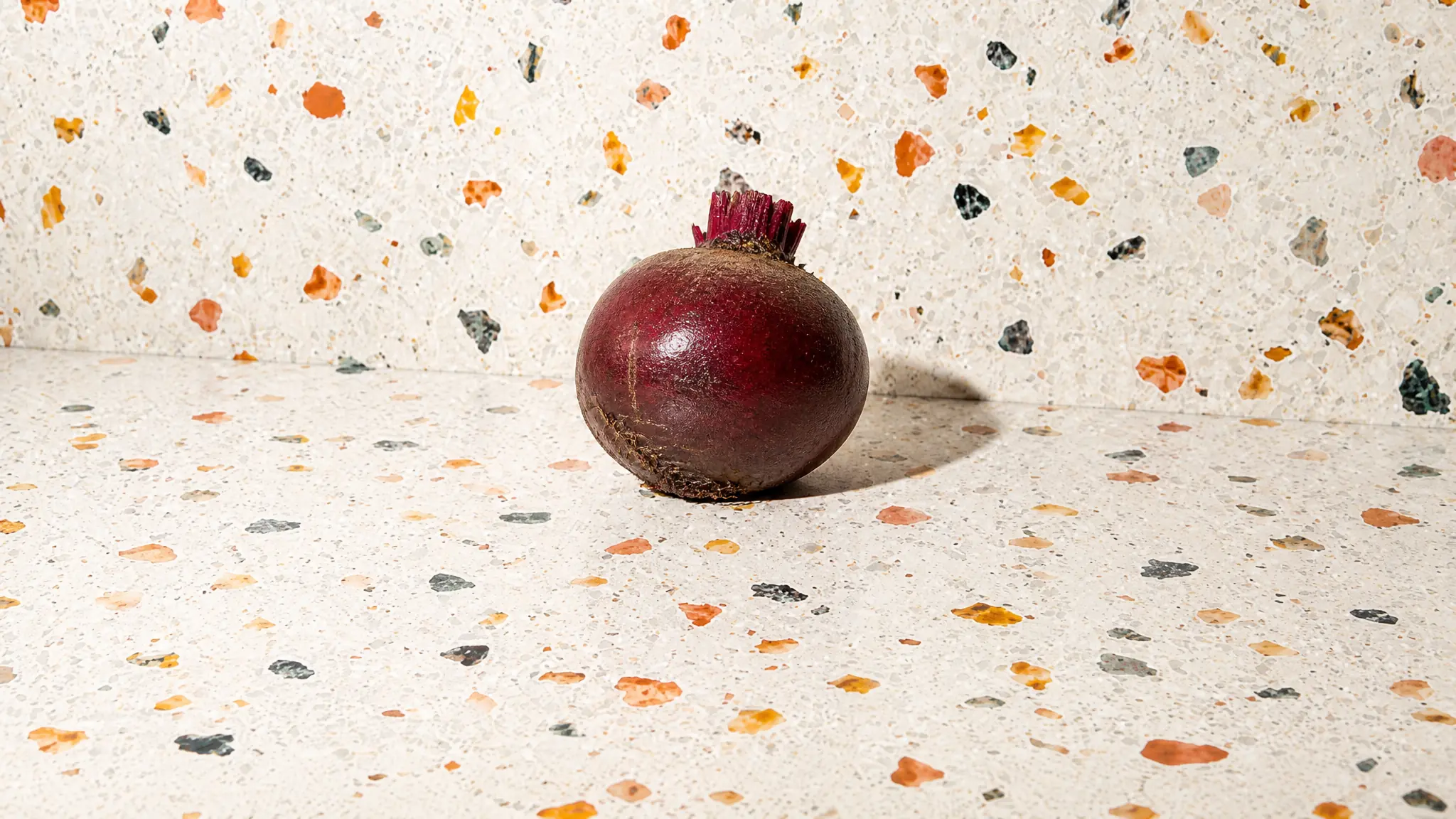
Beet (Beetroot)
Vegetable
Last updated July 5, 2026. The Tummi Food Team maintains this Can I Feed This safety guide guide. Supporting links appear in Sources when available.



Clinically reviewed by Andria Procopio and Arefa Mohamed
Direct answer
Can babies eat Beet (Beetroot)?
Yes, beets can be introduced around 6 months of age, prepared in an age-appropriate way like cooked or pureed to ensure safety and digestibility.
- Serve Age6+months
Most babies start solids around 6 months once they show readiness signs. Match the texture and serving size to your baby's skills.
- No Allergens
Beet (Beetroot) is not flagged as one of the major allergens tracked in this database. Still watch your baby closely when serving any new food.
- Choking Risk123452
Lower choking risk when served in the right texture. Always supervise meals and adjust the shape for your baby.
This guide is for everyday food prep questions. Ask your pediatrician about medical concerns, feeding delays, allergy plans, or serious reactions.
How Do You Serve Beet (Beetroot)?
How to serve Beet (Beetroot) to babies 6 months and older
- 1Cook the whole beet until very soft — it should mash easily when pressed between your thumb and finger.
- 2Peel and discard the skin, then mash or cut into a large half, thick wedges, or long strips so the baby can grasp and practice taking bites safely.
- 3Serve a large half or whole beet to encourage self‑feeding and chewing. Always supervise closely and check the beet is cool enough before offering.
- 4Do not add salt, sugar, or honey; refrigerate leftovers and use within 48 hours.
How to serve Beet (Beetroot) to babies 9 months and older
- 1Cook beets until very soft and mashable; remove skins and cool completely before serving.
- 2Serve flat, thin slices or small, bite-sized pieces so your child can bite and chew safely.
- 3To encourage finger skills, grate raw beet finely or offer whole or halved cooked pieces for practicing accurate bite sizing.
- 4Check texture by pressing with a fork, keep portions small, and always supervise during meals.
How to serve Beet (Beetroot) to babies 12 months and older
- 1Cook beets until very soft (steam, roast, or boil) and cut into halves, wedges, or small cubes so pieces are easy to chew or mash with gums.
- 2Offer a small amount of raw beet shredded finely and mixed into warm cereals, salads, or stews so it’s thinly distributed and less likely to form a large bite.
- 3Pre-load a fork or spoon with a single, bite-sized piece to model self-feeding, then gradually offer empty utensils as skill improves. Always supervise closely while they learn to handle utensils and new textures.
- 4Remove tough skins and any stringy parts, avoid large or slippery pieces, and protect clothing/surfaces because beets can stain.
Is Beet (Beetroot) a Common Allergen?
Beet (beetroot) is not a common food allergen for most children, but rare allergic reactions including skin rashes and mouth/throat itching have been reported. People with pollen‑food (oral allergy) syndrome—especially sensitized to certain pollens such as Parietaria—may develop mild oral symptoms after eating raw beets. Also check how beets are prepared, since salads or dressings can include common allergens (dairy, nuts, sesame) or cause cross-contamination. If a child develops hives, swelling, difficulty breathing, or severe abdominal symptoms after eating beets, seek medical care promptly.
Is Beet (Beetroot) a Choking Hazard?
Low Choking Risk
Beets can be a choking hazard because they’re firm and slippery, especially when raw or undercooked. This makes them riskier for younger babies or any infant still learning to chew and coordinate swallowing. Stay within arm’s reach and make sure caregivers recognize choking/gagging signs and know basic infant choking first aid.
Have More Questions?
It depends. Beets can be stored in a sealed container in the refrigerator for up to 3-5 days, but for longer storage, freezing cooked purees is recommended.
It depends. You can freeze cooked beet purees in small portions for up to 3 months, but make sure they are cooled thoroughly before freezing and use airtight containers.
It depends. When choosing beets for your baby, opt for organic if possible to reduce exposure to pesticides, but conventional beets are also safe and nutritious.
It depends. Combining beets with other baby-friendly foods can introduce new flavors and nutrients, but avoid mixing too many ingredients at once when introducing new flavors.
It depends. Standard portion sizes for babies are about 1-2 tablespoons of puree per meal, but always adjust based on your child's appetite and developmental stage.
Save Beet (Beetroot) to your food log
Track foods, reactions, and prep notes in Tummi when you want to keep your baby's feeding history in one place.
Sources
- Anaphylaxis to beetroot (Beta vulgaris): a case report pmc.ncbi.nlm.nih.gov
- NITRATE IN LEAFY GREEN VEGETABLES AND ESTIMATED INTAKE pmc.ncbi.nlm.nih.gov
- AAP clinical report on infant methemoglobinemia (Preboth, 2005) aafp.org
- Infant Methemoglobinemia: The Role of Dietary Nitrate scispace.com
- EFSA explains risk assessment: nitrites and nitrates added to food efsa.europa.eu
What Other Vegetable Can Babies Eat?
See all →
Source-Linked Guidance
See the evidence behind the guide.
Food guides show direct links to public-health guidance and research when supporting references are available. Source inclusion does not imply endorsement.
 Centers for Disease Control and Prevention
Developmental milestones, nutrition guidelines, and allergen introduction timelines.
 American Academy of Pediatrics
Evidence-based feeding recommendations from the leading pediatric authority.
 National Institutes of Health
Peer-reviewed research on infant nutrition, allergies, and food safety.