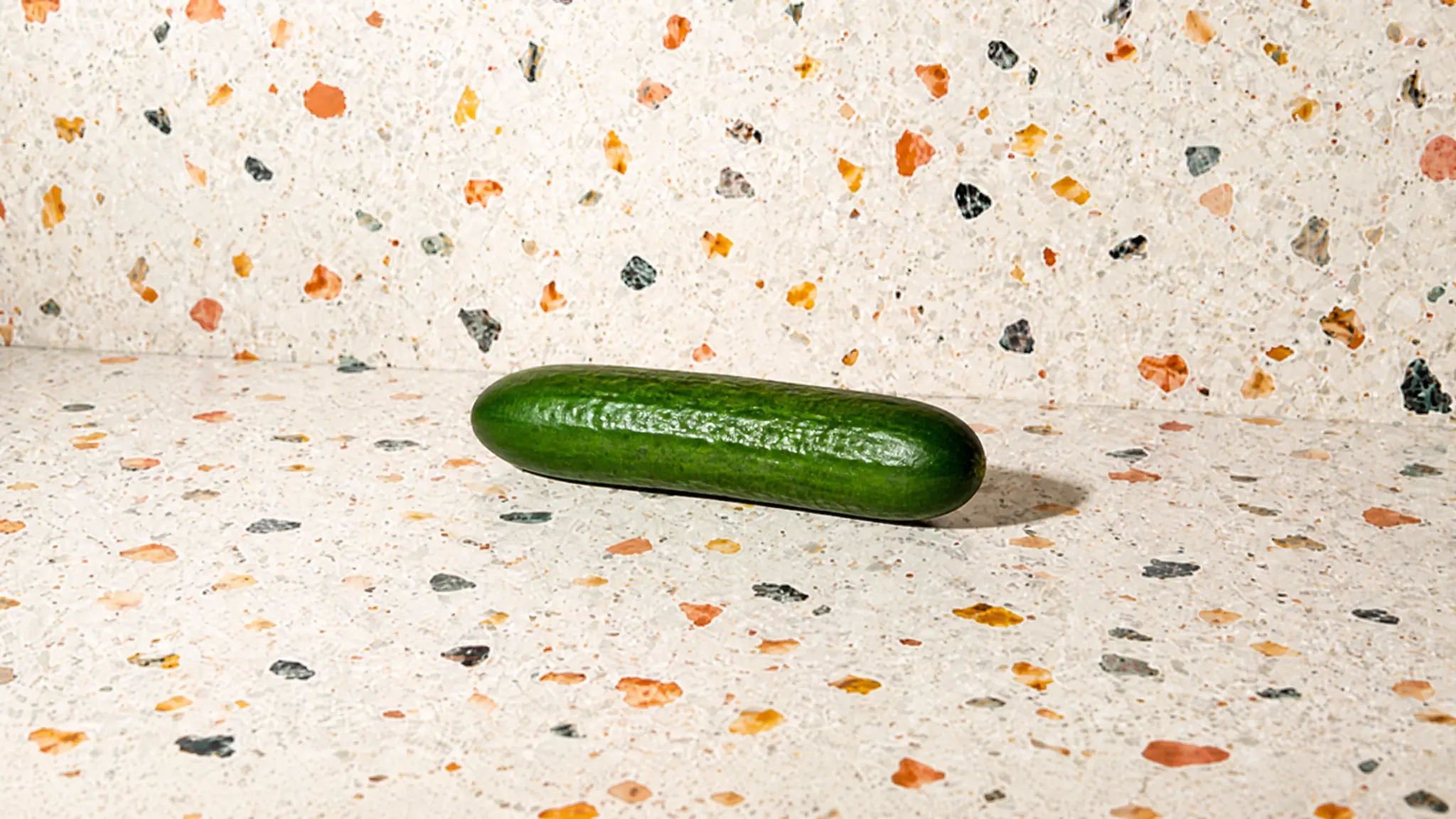
Cucumber
Vegetable
Last updated July 5, 2026. The Tummi Food Team maintains this Can I Feed This safety guide guide. Supporting links appear in Sources when available.



Clinically reviewed by Andria Procopio and Arefa Mohamed
Direct answer
Can babies eat Cucumber?
Yes, cucumbers can be introduced as soon as your baby is around 6 months old and ready for solids, prepared in an age-appropriate way.
- Serve Age6+months
Most babies start solids around 6 months once they show readiness signs. Match the texture and serving size to your baby's skills.
- No Allergens
Cucumber is not flagged as one of the major allergens tracked in this database. Still watch your baby closely when serving any new food.
- Choking Risk123453
Some choking risk. Use the prep section to change the size, shape, or texture before serving.
This guide is for everyday food prep questions. Ask your pediatrician about medical concerns, feeding delays, allergy plans, or serious reactions.
How Do You Serve Cucumber?
How to serve Cucumber to babies 6 months and older
- 1Wash the cucumber thoroughly under running water to remove dirt and any residue.
- 2Cut a large cucumber lengthwise into a "boat" so it’s easy to grasp; leave the skin on to improve grip and reduce slipperiness.
- 3For small cucumbers (Persian), trim the rounded ends and cut into finger-sized sticks; remove seeds only if they are large or watery, as they can make the pieces slippery.
- 4Grate or finely chop cucumber and mix into yogurt, mashed avocado, or a dip to create a scoopable texture.
- 5Always supervise while eating and offer appropriately sized pieces to reduce choking risk.
How to serve Cucumber to babies 9 months and older
- 1Cut cucumber into thin half-moons or small flat pieces that lie on the plate to reduce choking risk.
- 2Offer a long skin-on half the baby can hold and bite for chewing practice. Remove large seeds if they are slippery or bulky.
- 3Grate or finely shred and mix with soft foods (yogurt or mashed avocado) so the texture is easier to manage.
- 4Skin is optional—leave it for extra grip and nutrients or peel if chewing is difficult, and always supervise during meals.
How to serve Cucumber to babies 12 months and older
- 1Cut into very thin rounds, thin half-moons, or long thin rectangular slices so pieces lie flat and are easy to gum.
- 2Keep or remove the skin based on chewing ability; if you leave the skin on, slice more thinly to reduce toughness.
- 3Aim for slices about 1–2 mm thick (thin enough to bend slightly) so they soften quickly and are less likely to block the airway.
- 4Do not serve cubes, sticks, or thick spears—those shapes increase choking risk.
How to serve Cucumber: varies
- 1Cut cucumber into long spears and trim both tapered ends so each piece is blunt to lower choking risk.
- 2Only offer long spears after the child reliably bites and chews — signs include sitting still while eating, using chewing motions (not just sucking), and taking small, controlled bites.
- 3Always supervise at arm’s reach and model taking small bites yourself so the child copies safe eating.
- 4Stop feeding if the child is distracted, not seated, or struggling; offer a softer shape such as thin slices or remove the rind and try again later.
Is Cucumber a Common Allergen?
Cucumber is not a common food allergen, but children with pollen allergies (especially ragweed or birch) can develop oral allergy syndrome — mild itching or swelling in the mouth when eating raw cucumber. True IgE food allergy or contact reactions are rare. Always wash cucumbers and note that dressings or mixed dishes may contain common allergens (dairy, soy, sesame). For young children, remove skins/seeds and cut into age-appropriate pieces to reduce choking risk.
Is Cucumber a Choking Hazard?
Moderate Choking Risk
Raw cucumber can be firm, slippery, and chewy, which raises the risk of choking if pieces lodge in the airway. Stay within arm’s reach and closely supervise your baby during meals so you can respond quickly if they gag or choke; gagging is common but be prepared to act and know basic choking first aid. Keep mealtimes calm and seated to reduce the chance of a dangerous incident.
Have More Questions?
Yes. You can store cucumber in the refrigerator for up to 1 week, preferably in a sealed container or wrapped tightly to maintain freshness.
Yes. Freezing cucumber puree is possible but may alter texture, making it softer and a bit mushy once thawed, suitable for baby food use.
It depends. Choosing organic cucumbers can reduce pesticide exposure, but conventional ones are also safe if thoroughly washed before preparation.
Yes. Combining cucumber with other baby-friendly vegetables, like carrots or avocado, can introduce new flavors and textures during feeding.
It depends. Portions should be appropriate for your baby’s age and hunger cues; start with small, manageable pieces or purees and observe their response.
Save Cucumber to your food log
Track foods, reactions, and prep notes in Tummi when you want to keep your baby's feeding history in one place.
Sources
- Oral Allergy Syndrome Symptoms, Diagnosis & Treatment | AAAAI aaaai.org
What Other Vegetable Can Babies Eat?
See all →

Source-Linked Guidance
See the evidence behind the guide.
Food guides show direct links to public-health guidance and research when supporting references are available. Source inclusion does not imply endorsement.
 Centers for Disease Control and Prevention
Developmental milestones, nutrition guidelines, and allergen introduction timelines.
 American Academy of Pediatrics
Evidence-based feeding recommendations from the leading pediatric authority.
 National Institutes of Health
Peer-reviewed research on infant nutrition, allergies, and food safety.