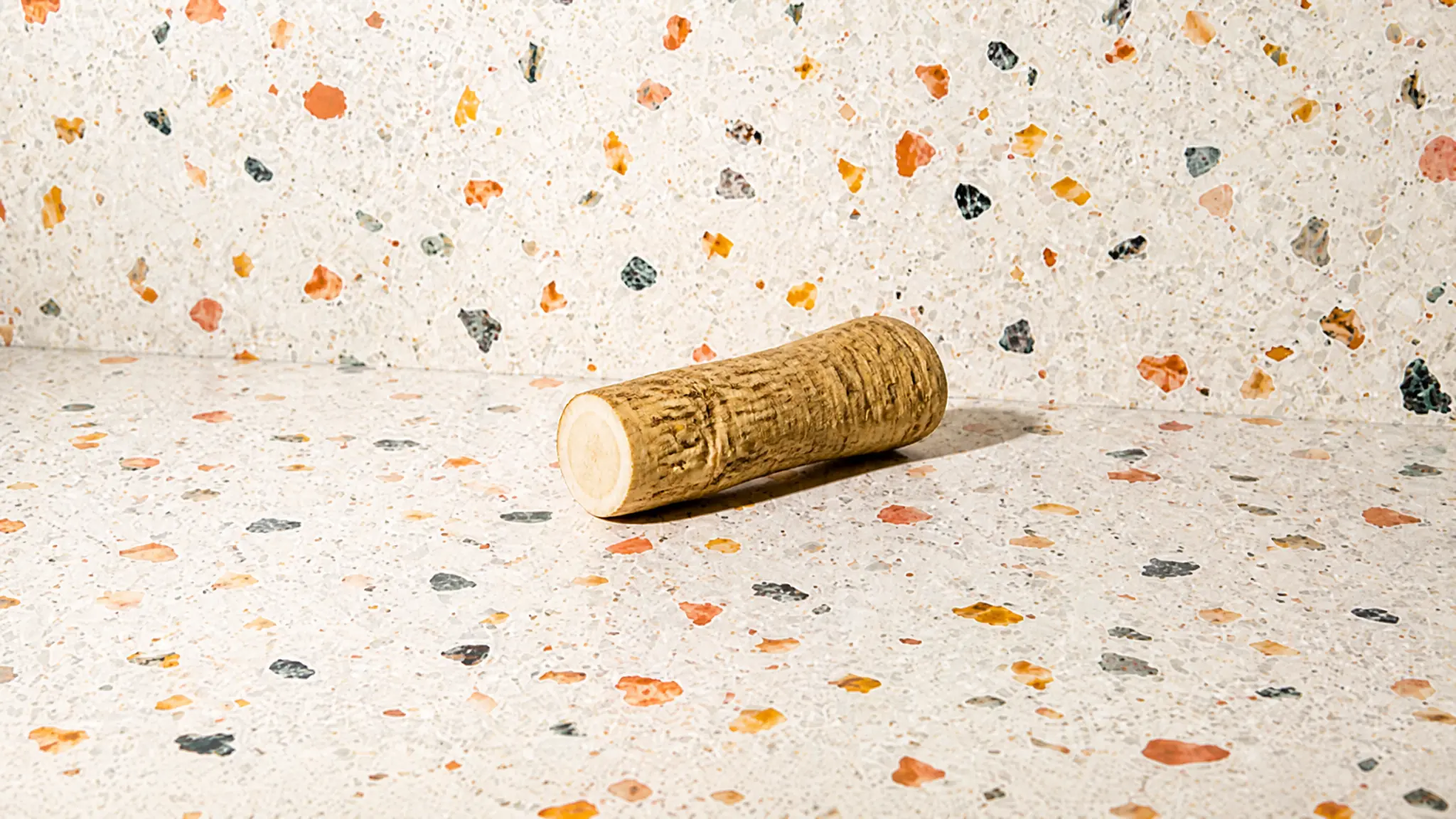
Horseradish
Vegetable
Last updated July 5, 2026. The Tummi Food Team maintains this Can I Feed This safety guide guide. Supporting links appear in Sources when available.



Clinically reviewed by Andria Procopio and Arefa Mohamed
Direct answer
Can babies eat Horseradish?
Yes, horseradish can be introduced around 6 months of age in small amounts, mixed into other foods due to its spicy and pungent flavor.
- Serve Age6+months
Most babies start solids around 6 months once they show readiness signs. Match the texture and serving size to your baby's skills.
- No Allergens
Horseradish is not flagged as one of the major allergens tracked in this database. Still watch your baby closely when serving any new food.
- Choking Risk123451
Lower choking risk when served in the right texture. Always supervise meals and adjust the shape for your baby.
This guide is for everyday food prep questions. Ask your pediatrician about medical concerns, feeding delays, allergy plans, or serious reactions.
How Do You Serve Horseradish?
How to serve Horseradish to babies 6 months and older
- 1Start with a tiny taste — place a rice‑grain–sized amount of finely grated horseradish mixed into a spoonful of applesauce, plain yogurt, or sour cream to dilute the heat and test tolerance.
- 2Mix well so there are no pieces; finely grate or cook the horseradish to remove firm bits that could cause gagging.
- 3Use very small amounts and wait 48–72 hours before offering more, watching for signs of irritation or allergic reaction.
- 4Always remain within arm’s reach and observe while the baby eats to intervene quickly if they cough, choke, or have trouble breathing.
- 5Avoid concentrated or raw horseradish and never add large pieces—prefer thinly mixed, mild preparations only.
How to serve Horseradish to babies 12 months and older
- 1Grate fresh horseradish very finely or use thinly sliced pickled horseradish and add just a small amount to sauces or dips so the flavor stays mild.
- 2Start with a tiny amount and increase slowly to match your child’s tolerance, watching for any strong reactions.
- 3Avoid thick raw chunks or dense paste that are hard to chew — ensure pieces are very small to reduce gagging or choking.
- 4Balance the heat by mixing with creamy foods (yogurt, sour cream, avocado) and always supervise mealtimes to reduce coughing and choking risks.
Is Horseradish a Common Allergen?
Horseradish is not a common food allergen, but it can irritate the mouth, nose and digestive tract and rare allergic/contact reactions have been reported. People with mustard allergies or pollen–food (oral allergy) syndromes may sometimes cross-react, and prepared horseradish sauces can contain other allergens (mayonnaise/eggs, dairy, or sulfites), so always check labels. Avoid giving concentrated horseradish to young children (especially under age 4) because it can cause stomach or airway irritation. If a child has known severe allergies, consult their allergist before offering horseradish.
Is Horseradish a Choking Hazard?
Very Low Choking Risk
Horseradish can be a choking hazard because thick, firm pieces are rounded and difficult to chew, which raises the risk of airway blockage. Stay within arm’s reach and closely watch for signs of gagging, persistent coughing, difficulty breathing, or any change in color or responsiveness. Ensure caregivers know infant choking first aid so they can act quickly if needed.
Have More Questions?
Yes. Small amounts of horseradish can be introduced around 6 months, but it should be mixed with milder foods due to its strong, spicy flavor.
Yes. It contains nutrients like vitamin C and antioxidants, which can support immune health, but is usually consumed in small amounts for flavor rather than nutrition.
No, horseradish is not a common allergen, but those with sensitivities to other cruciferous vegetables may react. Always start with small amounts and observe for reactions.
It can be. Raw, firm horseradish slices pose a choking risk, so it should be prepared into very soft, pureed, or mashed forms suitable for babies.
It depends. Because of its pungency, start with a tiny taste and watch for adverse reactions or discomfort, and adjust the amount as your baby gets accustomed to the flavor.
Save Horseradish to your food log
Track foods, reactions, and prep notes in Tummi when you want to keep your baby's feeding history in one place.
Sources
- Linus Pauling Institute — Isothiocyanates lpi.oregonstate.edu
- Putting out the fire — Nolden et al., Physiology & Behavior (2019) doi.org
- The safety of cruciferous plants in humans — Scott et al., Journal of Biomedicine & Biotechnology (2012) doi.org
- Brassica oleracea pollen — Hermanides et al., Allergy (2006) doi.org
- Contact dermatitis — Fonacier & Boguniewicz, Pediatric Allergy (2016) doi.org
What Other Vegetable Can Babies Eat?
See all →
Source-Linked Guidance
See the evidence behind the guide.
Food guides show direct links to public-health guidance and research when supporting references are available. Source inclusion does not imply endorsement.
 Centers for Disease Control and Prevention
Developmental milestones, nutrition guidelines, and allergen introduction timelines.
 American Academy of Pediatrics
Evidence-based feeding recommendations from the leading pediatric authority.
 National Institutes of Health
Peer-reviewed research on infant nutrition, allergies, and food safety.