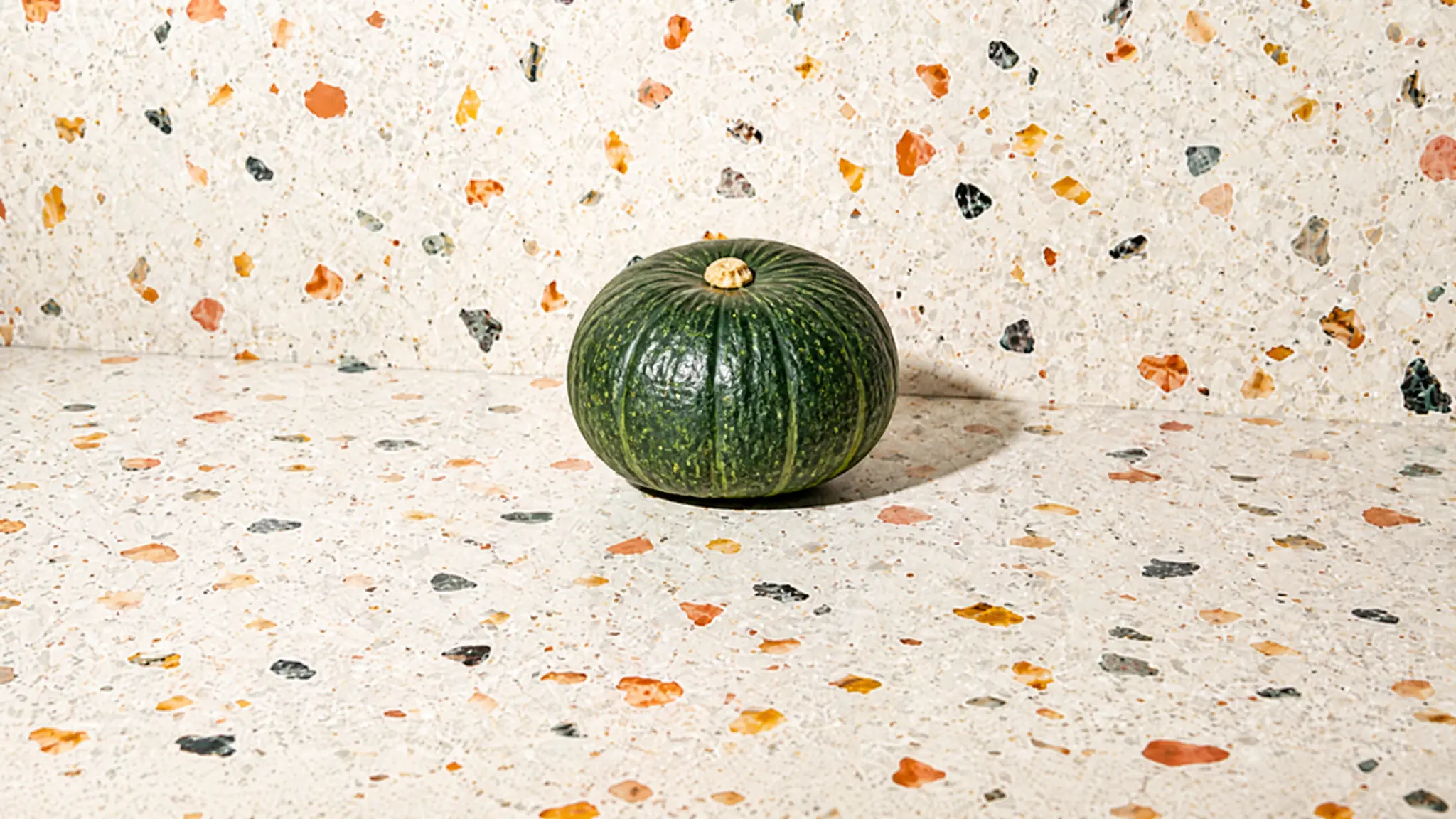
Kabocha Squash
Vegetable
Last updated July 5, 2026. The Tummi Food Team maintains this Can I Feed This safety guide guide. Supporting links appear in Sources when available.



Clinically reviewed by Andria Procopio and Arefa Mohamed
Direct answer
Can babies eat Kabocha Squash?
Yes, kabocha squash can be introduced around 6 months, when babies are ready for solids, and should be cooked until soft.
- Serve Age6+months
Most babies start solids around 6 months once they show readiness signs. Match the texture and serving size to your baby's skills.
- No Allergens
Kabocha Squash is not flagged as one of the major allergens tracked in this database. Still watch your baby closely when serving any new food.
- Choking Risk123452
Lower choking risk when served in the right texture. Always supervise meals and adjust the shape for your baby.
This guide is for everyday food prep questions. Ask your pediatrician about medical concerns, feeding delays, allergy plans, or serious reactions.
How Do You Serve Kabocha Squash?
How to serve Kabocha Squash to babies 6 months and older
- 1Cut the squash in half, scoop out the seeds, and peel with a vegetable peeler or sharp knife; slice into large crescent spears about 1–2 inches thick so baby can grasp.
- 2Cook until very soft — steam 12–15 minutes, simmer in a little liquid, or roast at 400°F (200°C) until tender. The goal is flesh that mashes under light pressure.
- 3Serve as large crescent “spears” with skin removed so baby can hold them, or coarsely mash pieces so baby can scoop with fingers or a spoon.
- 4Let pieces cool to lukewarm and test a bite yourself first. Always watch the baby while they eat to reduce choking risk.
How to serve Kabocha Squash to babies 9 months and older
- 1Peel, deseed, and cook kabocha until very soft (roast, steam, or boil) so a fork easily passes through. Remove hard bits before serving.
- 2Cut into small, bite-sized pieces that can be mashed with light pressure or leave larger cooked wedges as handles for self-feeding.
- 3Offer pea- to grape-sized pieces to practice the pincer grasp; give cooked handles for taking bigger bites.
- 4Encourage utensil use by pre-loading a spoon with cooled, mashed squash and offering it to the child — always supervise while eating.
How to serve Kabocha Squash to babies 12 months and older
- 1Cook until very tender using steaming, roasting, or boiling so it mashes easily; cut cooked flesh into bite-sized pieces (about 1–2 cm) for finger foods or mash for spoon-feeding.
- 2Remove seeds and stringy fibers; peel if offering larger pieces—offer the skin later once the child can take manageable bites and chew well.
- 3Check texture and temperature before serving. Pieces should squash under gentle pressure and be cool enough to touch.
- 4Encourage self-feeding by pre-loading a small, easy-grip fork or spoon and offering soft pieces; refrigerate leftovers promptly and reheat thoroughly until steaming.
Is Kabocha Squash a Common Allergen?
Kabocha (a winter squash) is not a common food allergen—reactions are rare but have been reported. Some people may get mild oral allergy syndrome (itching/tingling in mouth or throat), or rare skin contact reactions when handling certain squashes. When introducing to infants or children, offer plain kabocha alone, watch closely for rash, swelling, hives, vomiting, or breathing trouble, and seek urgent care for any breathing or facial/throat swelling.
Is Kabocha Squash a Choking Hazard?
Low Choking Risk
Kabocha squash is generally low risk for choking when it’s thoroughly cooked and soft enough to mash under light pressure, but any food can pose a risk. Always supervise meals within arm’s reach, watch for signs of gagging or choking, and be prepared to respond. If your baby shows repeated difficulty moving food in their mouth or persistent coughing, stop the meal and seek help or medical advice.
Have More Questions?
Yes. Kabocha squash can be stored in an airtight container in the refrigerator for up to 3 days, or frozen in puree form for longer storage.
Yes. Freezing kabocha squash puree is a practical way to prepare in advance and provides convenient, ready-to-serve portions for your baby's meals.
It depends. Choosing organic kabocha squash may reduce exposure to pesticides, but non-organic options are also nutritious; washing and peeling the squash reduces residues regardless of farming practices.
Yes. Combining kabocha squash with other suitable vegetables or fruits can introduce your baby to diverse flavors and textures, supporting healthy eating habits.
It depends. Serving appropriate portion sizes for your baby's age, such as 1-2 tablespoons of cooked and mashed squash, can help prevent overeating and support digestion.
Save Kabocha Squash to your food log
Track foods, reactions, and prep notes in Tummi when you want to keep your baby's feeding history in one place.
Sources
- Regulatory control of carotenoid accumulation in winter squash during storage (Planta, 2014) doi.org
- The Benefits and Risks of Certain Dietary Carotenoids that Exhibit both Anti- and Pro-Oxidative Mechanisms—A Comprehensive Review (Antioxidants, 2020) doi.org
- Allergy to pumpkin and cross-reactivity to other Cucurbitaceae fruits (Journal of Allergy and Clinical Immunology, 2000) doi.org
- Butternut squash (Cucurbita moschata) dermatitis (Contact Dermatitis, 1994) doi.org
- Allergy caused by ingestion of zucchini (Cucurbita pepo): Characterization of allergens and cross-reactivity to pollen and other foods (Journal of Allergy and Clinical Immunology, 2000) doi.org
- Oral Allergy Syndrome: An Update for Stomatologists (Journal of Allergy, 2015) doi.org
What Other Vegetable Can Babies Eat?
See all →
Source-Linked Guidance
See the evidence behind the guide.
Food guides show direct links to public-health guidance and research when supporting references are available. Source inclusion does not imply endorsement.
 Centers for Disease Control and Prevention
Developmental milestones, nutrition guidelines, and allergen introduction timelines.
 American Academy of Pediatrics
Evidence-based feeding recommendations from the leading pediatric authority.
 National Institutes of Health
Peer-reviewed research on infant nutrition, allergies, and food safety.