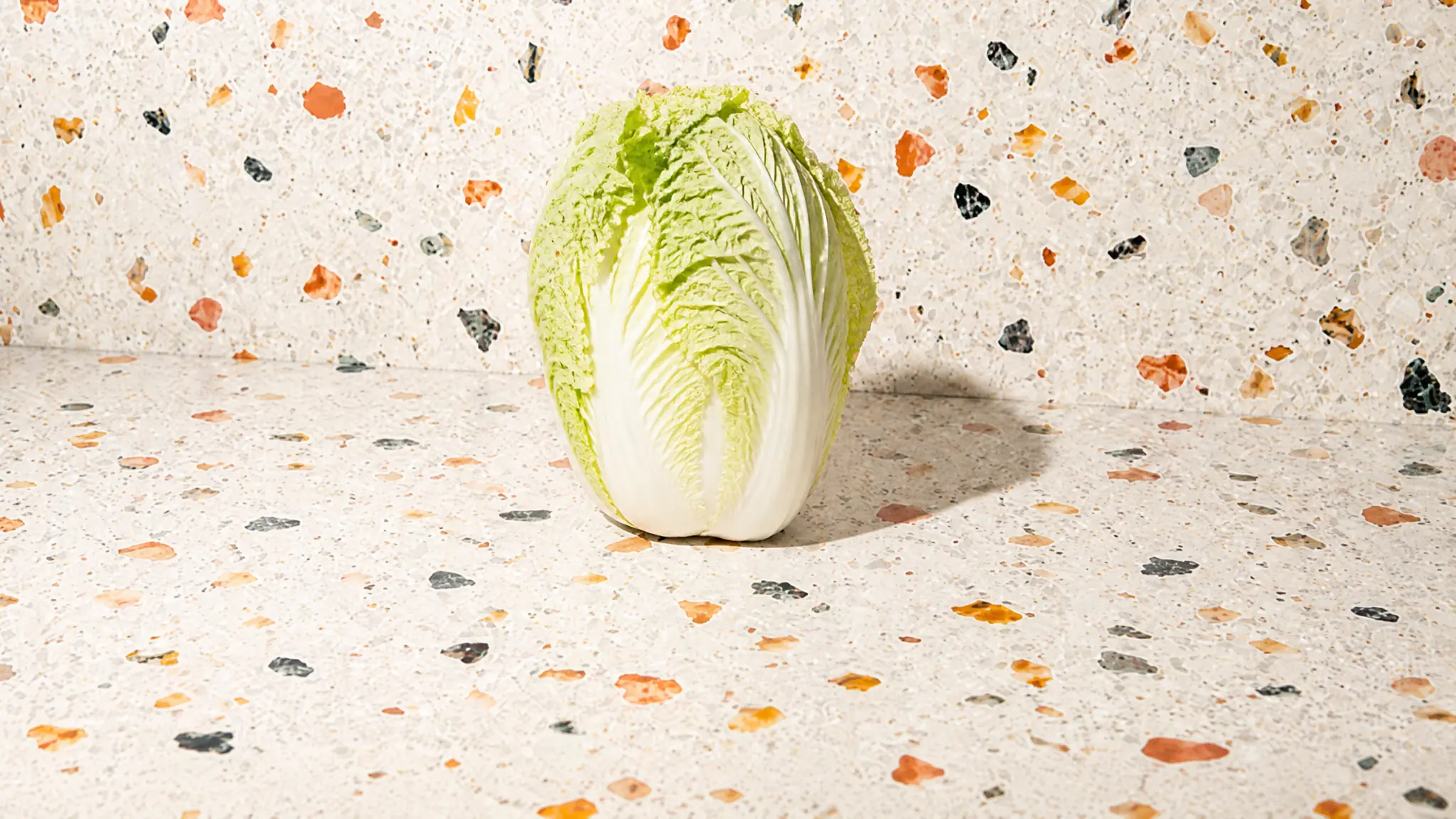
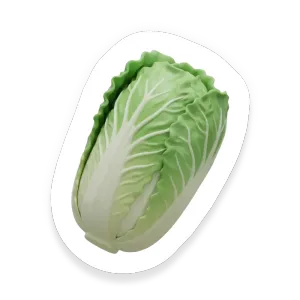
Napa Cabbage
Vegetable
Last updated July 5, 2026. The Tummi Food Team maintains this Can I Feed This safety guide guide. Supporting links appear in Sources when available.


Clinically reviewed by Andria Procopio and Arefa Mohamed
Direct answer
Can babies eat Napa Cabbage?
Yes, napa cabbage can be introduced to babies around 6 months of age when they are ready to start solids, prepared cooked and in small, manageable pieces.
- Serve Age6+months
Most babies start solids around 6 months once they show readiness signs. Match the texture and serving size to your baby's skills.
- No Allergens
Napa Cabbage is not flagged as one of the major allergens tracked in this database. Still watch your baby closely when serving any new food.
- Choking Risk123452
Lower choking risk when served in the right texture. Always supervise meals and adjust the shape for your baby.
This guide is for everyday food prep questions. Ask your pediatrician about medical concerns, feeding delays, allergy plans, or serious reactions.
How Do You Serve Napa Cabbage?
How to serve Napa Cabbage to babies 6 months and older
- 1Finely chop or shred napa cabbage and cook until very soft, then mix into mashed vegetables, porridge, or another smooth, scoopable food so your baby can manage small pieces easily.
- 2Avoid offering loose, small shreds on their own because they can cling to the tongue and cause gagging; keep cabbage suspended in a soft mash or porridge instead.
- 3Only add finely shredded fermented cabbage (e.g., kimchi) after common allergens have been introduced and tolerated. Start with a small amount to check for any reaction.
- 4For teething or safe munching practice, offer a cleaned cabbage rib (stem) with flimsy leaf parts removed; supervise closely and discard if pieces begin to loosen.
How to serve Napa Cabbage to babies 9 months and older
- 1Mix finely shredded or very-soft cooked napa cabbage into porridge, mashed vegetables, or other scoopable family foods so pieces are tiny and won't stick to the mouth.
- 2When adding small cooked pieces to stews or porridges, cook until very tender and chop them into tiny, soft bits, adding a little extra liquid (breastmilk, formula, or broth) if needed to ease scooping and swallowing.
- 3Offer small sips from an open cup during the meal to help wash food down and reduce gagging.
- 4For biting, tearing, and oral-motor practice offer a cooked or raw cabbage rib with the thin leaf parts removed, ensuring it is large enough to hold but easy to bite and always supervise during exploration.
How to serve Napa Cabbage to babies 12 months and older
- 1Cut leaves into 1–2 cm strips or small squares for easy grasping and chewing; serve raw if soft or steam lightly until tender.
- 2Offer small cooked florets or strips for finger foods and slightly larger pieces for utensil practice so they can be speared or scooped.
- 3For cabbage rolls or wraps, separate the dish: provide one cooked leaf for biting and tearing and serve the filling in small, manageable pieces.
- 4Remove or finely chop any hard or dense choking hazards such as large meat cubes or whole nuts. Cut or mash any pieces that are difficult to chew.
- 5Always supervise meals and adjust piece size and texture to match chewing ability.
Is Napa Cabbage a Common Allergen?
Napa cabbage is not a common food allergen and is unlikely to cause allergic reactions in most children. However, like any fresh produce it can be subject to cross-contact or surface residues—wash thoroughly and introduce it as a new food one at a time while watching for signs of allergy (hives, swelling, vomiting, difficulty breathing). Raw cabbage can be tougher to chew and may cause gas; for infants and toddlers, cook or finely shred to reduce choking risk and consult your pediatrician if you suspect an allergic reaction.
Is Napa Cabbage a Choking Hazard?
Low Choking Risk
Napa cabbage poses a low choking risk, but its leafy pieces can cling to a baby’s tongue or the roof of the mouth and may trigger gagging or coughing. Gagging is usually a normal reflex and not the same as choking, but parents should stay close and watch for signs of true airway obstruction. Be prepared to respond quickly and review infant choking first-aid so you can act if needed.
Have More Questions?
Yes, napa cabbage can be stored in the refrigerator for your baby. Keep raw cabbage refrigerated and wash it under running water before preparation; if it has been cooked as baby food, cool it promptly, refrigerate it, and use it within 2 days.
Yes, napa cabbage can be frozen for your baby's meals, but blanch or cook it first rather than freezing it as a raw puree. Cool prepared food promptly before freezing, defrost it in the refrigerator or microwave, and use it within 24 hours after defrosting.
No, organic napa cabbage is not required for babies; either organic or conventional cabbage can be offered. Whichever type you choose, wash it thoroughly under running water before preparation and do not use soap or produce wash.
Yes, napa cabbage can be mixed with other foods for your baby. Cook it until soft for an early eater, then combine it with other suitably prepared foods while gradually offering a variety of tastes and textures.
There is no single proper portion of napa cabbage for every baby. When starting solids, 1 or 2 tablespoons of suitably prepared food can be an initial amount; offer more or stop according to your baby's hunger and fullness cues.
Save Napa Cabbage to your food log
Track foods, reactions, and prep notes in Tummi when you want to keep your baby's feeding history in one place.
Sources
- Cabbage (Brassica oleracea L. var. capitata) phytochemicals with antioxidant and anti-inflammatory potential doi.org
- Cruciferous vegetables as a treasure of functional foods bioactive compounds: Targeting p53 family in gastrointestinal tract and associated cancers doi.org
- The safety of cruciferous plants in humans: a systematic review doi.org
- Cabbage lipid transfer protein Bra o 3 is a major allergen responsible for cross-reactivity between plant foods and pollens doi.org
- IgE-mediated allergy to raw cabbage but not to cooked doi.org
- Oral Allergy Syndrome: An Update for Stomatologists doi.org
- NITRATE IN LEAFY GREEN VEGETABLES AND ESTIMATED INTAKE doi.org
What Other Vegetable Can Babies Eat?
See all →
Source-Linked Guidance
See the evidence behind the guide.
Food guides show direct links to public-health guidance and research when supporting references are available. Source inclusion does not imply endorsement.
 Centers for Disease Control and Prevention
Developmental milestones, nutrition guidelines, and allergen introduction timelines.
 American Academy of Pediatrics
Evidence-based feeding recommendations from the leading pediatric authority.
 National Institutes of Health
Peer-reviewed research on infant nutrition, allergies, and food safety.