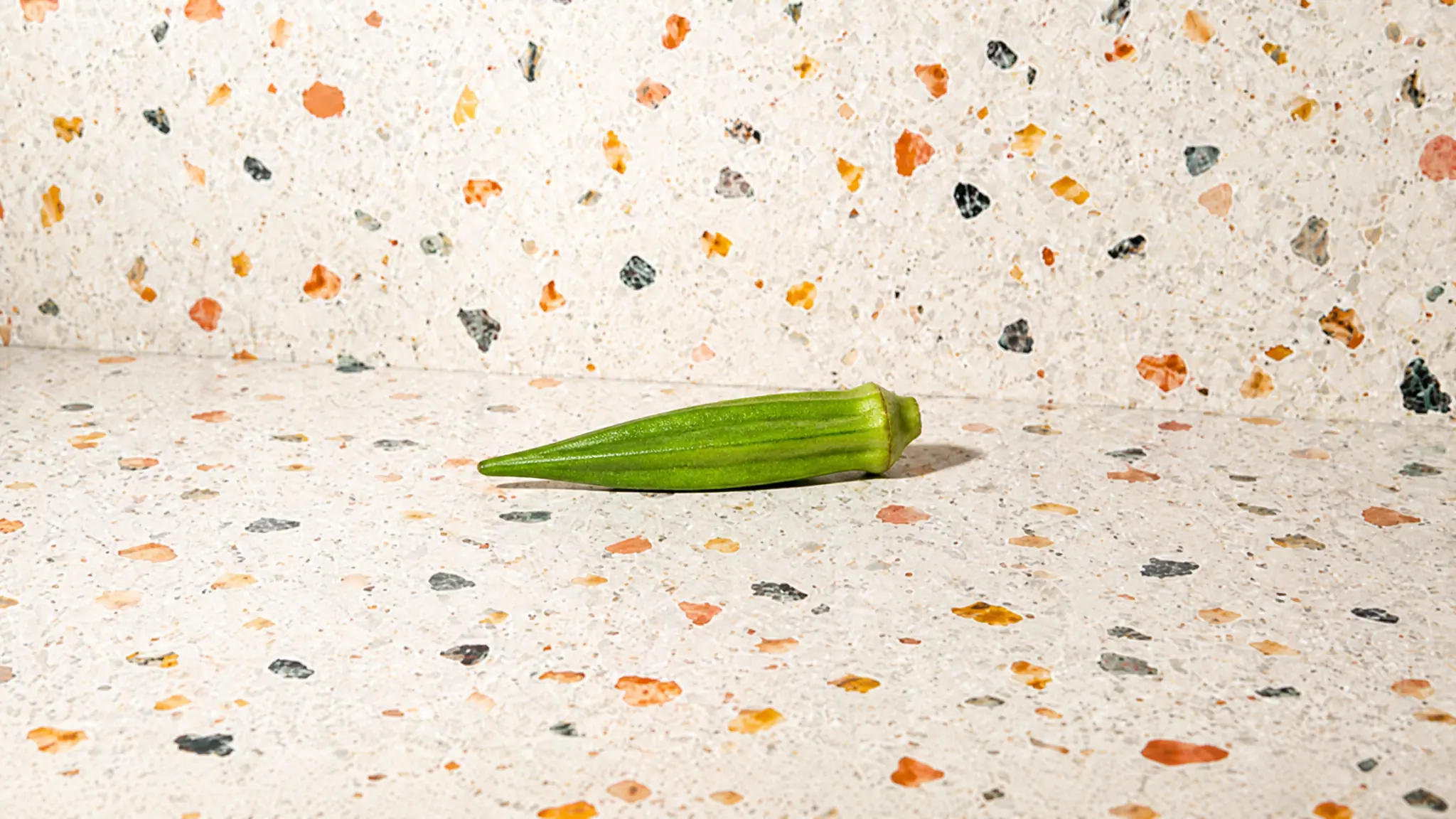
Okra
Vegetable
Last updated July 5, 2026. The Tummi Food Team maintains this Can I Feed This safety guide guide. Supporting links appear in Sources when available.



Clinically reviewed by Andria Procopio and Arefa Mohamed
Direct answer
Can babies eat Okra?
Yes, babies can eat cooked, tender okra from around 6 months, once they are developmentally ready for solid foods.
- Serve Age6+months
Most babies start solids around 6 months once they show readiness signs. Match the texture and serving size to your baby's skills.
- No Allergens
Okra is not flagged as one of the major allergens tracked in this database. Still watch your baby closely when serving any new food.
- Choking Risk123453
Some choking risk. Use the prep section to change the size, shape, or texture before serving.
This guide is for everyday food prep questions. Ask your pediatrician about medical concerns, feeding delays, allergy plans, or serious reactions.
How Do You Serve Okra?
How to serve Okra to babies 6 months and older
- 1Cook okra until very soft so it can be mashed easily between your thumb and forefinger.
- 2Chop and mix into scoopable foods like porridge, thick soups, or stews so textures blend.
- 3Or serve a whole large cooked pod with the stem removed; check softness and slice or mash the pod if needed.
- 4If you prefer a smoother texture, split and press the pod to remove seeds — seeds are generally low choking risk but removing them can make the bite easier.
How to serve Okra to babies 9 months and older
- 1Cut okra into soft, cooked bite-sized rings or half-moons with the stem removed so pieces are easy to hold and mash between thumb and finger.
- 2Choose pieces that squash easily between your thumb and forefinger to reduce choking risk and encourage independent picking.
- 3If pieces are slippery, lightly coat them with breadcrumbs, finely grated cheese, or a thin layer of oil to improve grip.
- 4Or chop and stir cooked okra into scoopable foods like mashed potato, rice, or thick sauces — seeds are optional.
How to serve Okra to babies 18 months and older
- 1Cut okra into small, bite-sized pieces or short strips to make it easy for little hands to pick up and chew.
- 2Cook until tender—stewed or gently pan-fried—so the pod softens. Test with a fork to ensure there are no tough, fibrous strands left.
- 3Leave slightly longer sections for biting-and-tearing practice once chewing is comfortable, but offer chopped pieces when starting to reduce choking risk.
- 4Always supervise during eating and discard any pods that remain stringy or hard to break down, as they can be difficult to chew until molars develop.
Is Okra a Common Allergen?
Okra is not a common food allergen and is not one of the major allergens, but rare IgE‑mediated allergies and contact/occupational skin reactions have been reported. People with pollen-related oral allergy syndrome may get mouth or throat itching from raw okra; cooking usually reduces this risk. Watch for typical allergy signs (hives, swelling, vomiting, difficulty breathing) after first exposures and seek medical care for severe reactions.
Is Okra a Choking Hazard?
Moderate Choking Risk
Okra can be round, firm, and fibrous, which may make it harder for babies to chew and increases the risk of choking. Its seeds can scatter in the mouth and feel confusing for a baby, even though they pose a low choking risk. Stay within arm’s reach during meals and be prepared to respond quickly if your baby gags or chokes—practicing rescue maneuvers beforehand can help you feel ready.
Have More Questions?
Yes, you can store okra for future baby meals. Refrigerate fresh okra, and cool cooked okra promptly in a covered container before refrigerating it; use refrigerated cooked baby food within 2 days and discard any portion left after your baby has eaten from it.
Yes, you can freeze okra puree or cooked okra for your baby. Cool it promptly, place it in a covered freezer-safe container, and freeze it; thaw it thoroughly before reheating, and discard any portion left after your baby has eaten from it.
Organic okra is not necessarily better for your baby. Organic produce can reduce pesticide exposure, but offering a variety of produce matters whether it is organic or conventional; wash either type thoroughly under running water before preparing it.
Yes, you can mix cooked, tender okra with other foods for your baby. Mash or finely chop it as needed and combine it with foods such as vegetables, grains, or protein foods, keeping every component's texture appropriate for your baby's developmental eating skills.
It depends. Portion sizes vary by age and appetite, but start with small servings, such as 1-2 tablespoons for younger babies, gradually increasing as they grow and show interest.
Save Okra to your food log
Track foods, reactions, and prep notes in Tummi when you want to keep your baby's feeding history in one place.
Sources
- Delayed presentation of food protein-induced enterocolitis syndrome (FPIES) to okra in a toddler aacijournal.biomedcentral.com
- Occupational dermatoses in farmers growing okra (Hibiscus esculentus L.) pubmed.ncbi.nlm.nih.gov
What Other Vegetable Can Babies Eat?
See all →


Source-Linked Guidance
See the evidence behind the guide.
Food guides show direct links to public-health guidance and research when supporting references are available. Source inclusion does not imply endorsement.
 Centers for Disease Control and Prevention
Developmental milestones, nutrition guidelines, and allergen introduction timelines.
 American Academy of Pediatrics
Evidence-based feeding recommendations from the leading pediatric authority.
 National Institutes of Health
Peer-reviewed research on infant nutrition, allergies, and food safety.