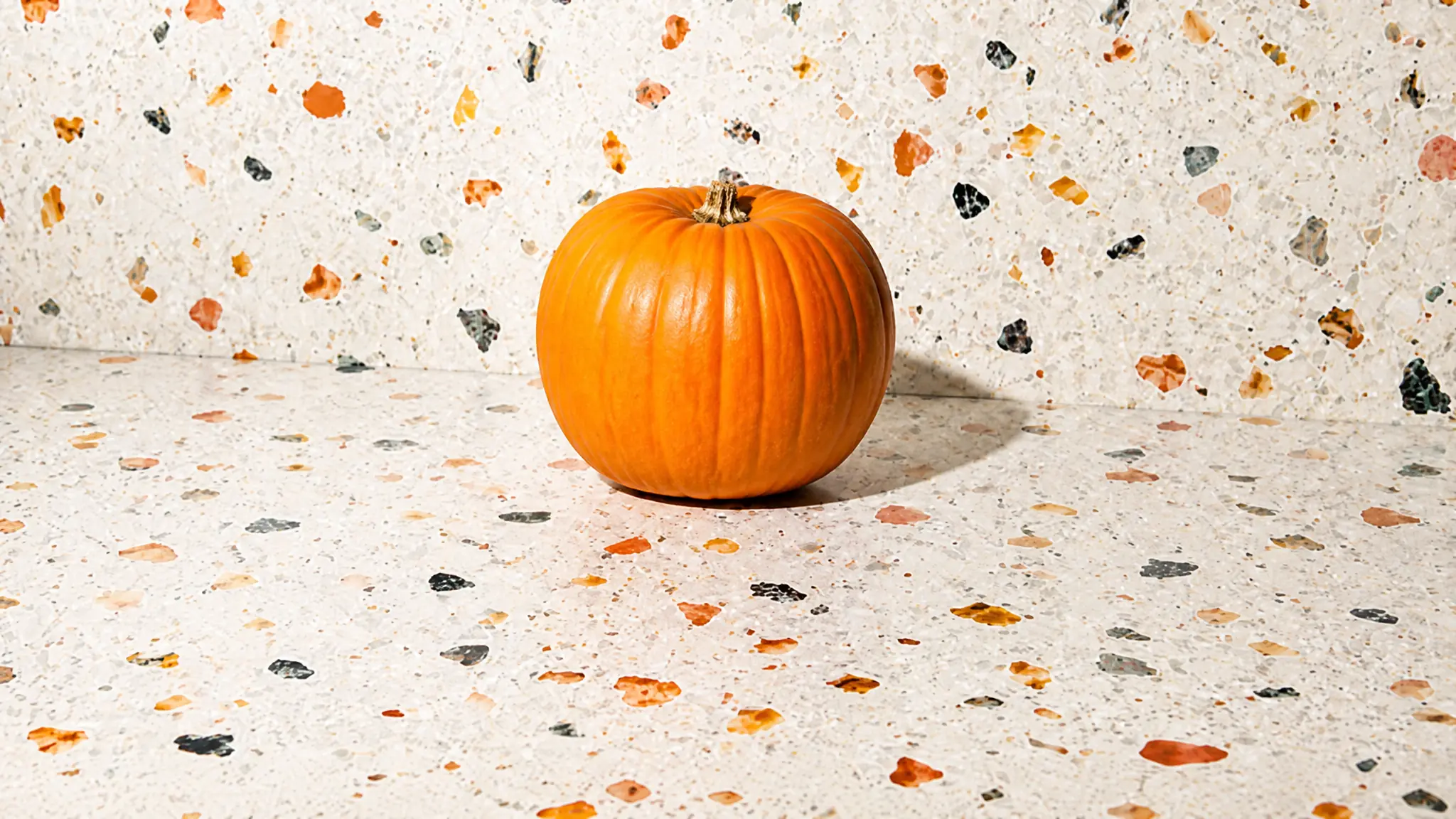
Pumpkin
Vegetable
Last updated July 5, 2026. The Tummi Food Team maintains this Can I Feed This safety guide guide. Supporting links appear in Sources when available.


Clinically reviewed by Andria Procopio and Arefa Mohamed
Direct answer
Can babies eat Pumpkin?
Yes, babies can eat pumpkin as early as 6 months, when they are ready to start solids, served cooked and pureed.
- Serve Age6+months
Most babies start solids around 6 months once they show readiness signs. Match the texture and serving size to your baby's skills.
- No Allergens
Pumpkin is not flagged as one of the major allergens tracked in this database. Still watch your baby closely when serving any new food.
- Choking Risk123452
Lower choking risk when served in the right texture. Always supervise meals and adjust the shape for your baby.
This guide is for everyday food prep questions. Ask your pediatrician about medical concerns, feeding delays, allergy plans, or serious reactions.
How Do You Serve Pumpkin?
How to serve Pumpkin to babies 6 months and older
- 1Cook pumpkin until very soft (steam or roast) and mash to a smooth, lump-free texture that can be scooped or pre-loaded on a spoon — no added salt or sugar.
- 2For self-feeding, cut into small crescent or wedge pieces that fit in baby’s palm; keep the rind only if it’s soft and thin, otherwise remove it and always remove seeds and stringy bits — check for seeds.
- 3Sit with your baby and stay within arm’s reach while they mouth or chew, ready to help move or break up any large pieces.
- 4If spoon-feeding, pre-load a small, soft spoonful of mash and test the temperature on your wrist before offering.
How to serve Pumpkin to babies 9 months and older
- 1Cook pumpkin until very soft by steaming, roasting, or boiling. Remove the skin and seeds before serving.
- 2Cut the cooked pumpkin into soft, bite-sized pieces that match your baby's eating ability so pieces are easy to gum or pick up.
- 3Mash or finely chop to vary texture — mix mashed pumpkin into pasta, yogurt, stews, or warm cereal to introduce new flavors and make swallowing easier.
- 4Always check the temperature and offer one piece at a time while watching closely for any choking signs; discard any hard or stringy bits.
- 5Store leftovers in an airtight container in the fridge for up to 48 hours or freeze in small portions, then thaw and reheat until steaming hot before cooling to a safe serving temperature.
How to serve Pumpkin to babies 12 months and older
- 1Cook pumpkin until very soft—steam, roast, or boil until a fork slides through easily, then break into tender pieces that separate without resistance.
- 2Remove skin and all seeds, then cut into small, irregular, bite-sized pieces (~1–2 cm) for shared plates or into thicker strips for independent self-feeding.
- 3Introduce a child-safe fork by pre-loading it with a piece and modeling how to use it. Show how to spear the piece and bring it to the mouth, then let the child try while you guide.
- 4Always supervise closely during meals, keep pieces soft and appropriately sized to reduce choking risk, and serve at a safe temperature.
Is Pumpkin a Common Allergen?
Pumpkin flesh is not a common food allergen for most children, but people with ragweed or pollen allergies can get oral allergy syndrome (itchy/tingly mouth or throat) when eating some raw gourds. Pumpkin seeds can, in rare cases, trigger true allergic reactions (including anaphylaxis), so introduce seeds cautiously and watch for hives, swelling, breathing changes, or vomiting. Processed pumpkin products may have cross-contact with dairy, gluten, or other allergens—check labels if your child has known allergies.
Is Pumpkin a Choking Hazard?
Low Choking Risk
Cooked, soft pumpkin is generally low choking risk when seeds are removed and it’s prepared with your child’s developmental stage in mind. Keep your baby within arm’s reach and stay attentive during meals, since any food can pose a choking risk. Learn the signs of choking and be prepared to act calmly and quickly if needed.
Have More Questions?
Yes, parents can store pumpkin purees in the refrigerator for up to 3 days or freeze for up to 3 months, making meal planning easier.
Yes, pumpkin purees can be frozen in ice cube trays or small containers to extend freshness and convenience for future feedings.
Yes, organic pumpkin is often preferred for babies to avoid pesticides, but conventional pumpkin is also safe if properly washed.
Yes, combining pumpkin with other mild vegetables like carrots or sweet potatoes can introduce your baby to diverse flavors and textures.
Typically, a serving size for a baby is about 1-2 tablespoons of pureed pumpkin per feeding, depending on age and appetite.
Save Pumpkin to your food log
Track foods, reactions, and prep notes in Tummi when you want to keep your baby's feeding history in one place.
Sources
- The Profile of Carotenoids and Other Bioactive Molecules in Various Pumpkin Fruits (Cucurbita maxima Duchesne) Cultivars doi.org
- Butternut squash (Cucurbita moschata) dermatitis pubmed.ncbi.nlm.nih.gov
What Other Vegetable Can Babies Eat?
See all →
Source-Linked Guidance
See the evidence behind the guide.
Food guides show direct links to public-health guidance and research when supporting references are available. Source inclusion does not imply endorsement.
 Centers for Disease Control and Prevention
Developmental milestones, nutrition guidelines, and allergen introduction timelines.
 American Academy of Pediatrics
Evidence-based feeding recommendations from the leading pediatric authority.
 National Institutes of Health
Peer-reviewed research on infant nutrition, allergies, and food safety.