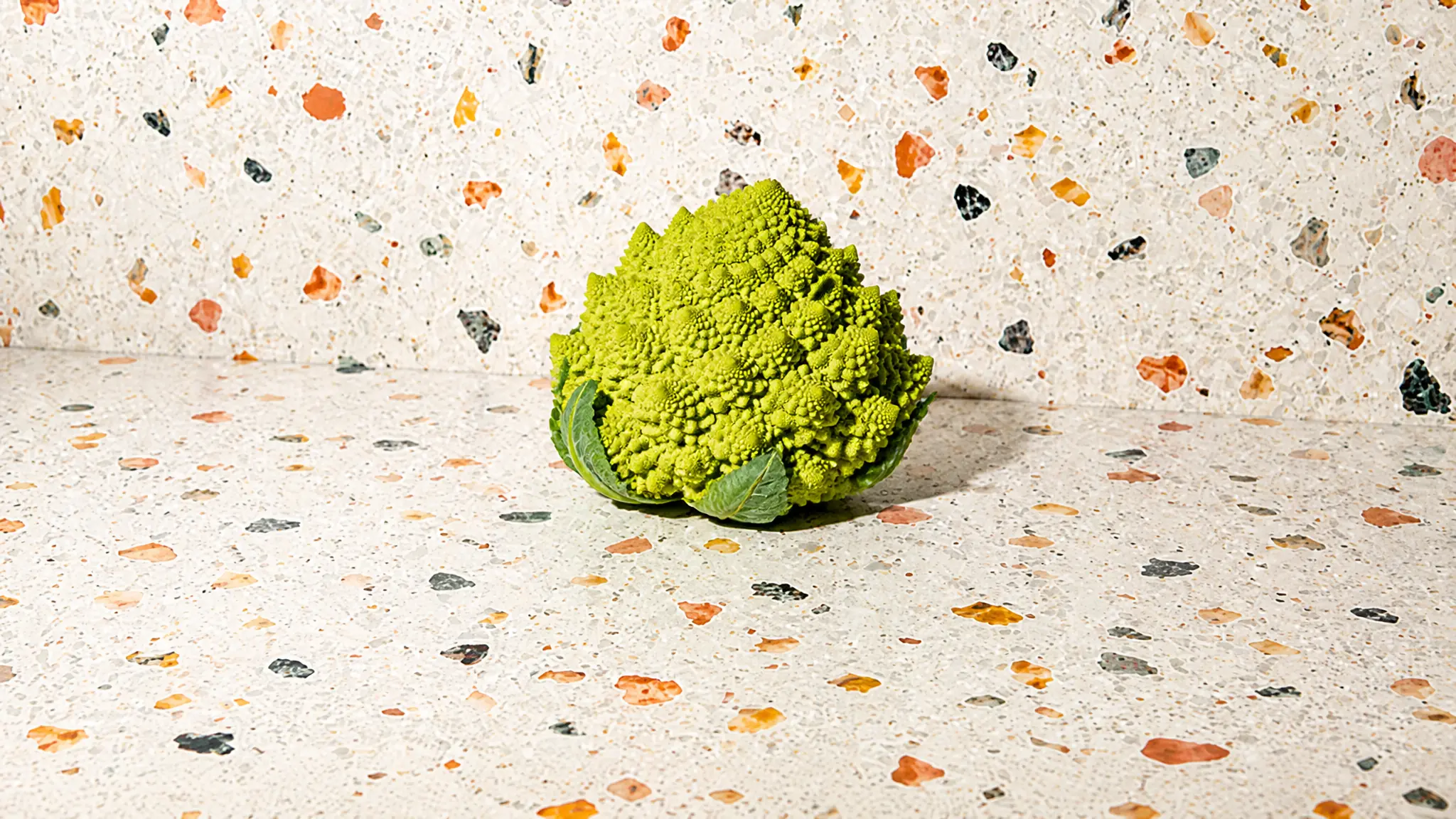
Romanesco
Vegetable
Last updated July 5, 2026. The Tummi Food Team maintains this Can I Feed This safety guide guide. Supporting links appear in Sources when available.



Clinically reviewed by Andria Procopio and Arefa Mohamed
Direct answer
Can babies eat Romanesco?
Yes, cooked until soft and offered around 6 months, romanesco can be introduced as a nutritious vegetable for babies.
- Serve Age6+months
Most babies start solids around 6 months once they show readiness signs. Match the texture and serving size to your baby's skills.
- No Allergens
Romanesco is not flagged as one of the major allergens tracked in this database. Still watch your baby closely when serving any new food.
- Choking Risk123452
Lower choking risk when served in the right texture. Always supervise meals and adjust the shape for your baby.
This guide is for everyday food prep questions. Ask your pediatrician about medical concerns, feeding delays, allergy plans, or serious reactions.
How Do You Serve Romanesco?
How to serve Romanesco to a 9-month-old baby
- 1Steam romanesco florets until very soft so they squash easily between finger and thumb.
- 2Serve single florets whole to encourage grasping and self-feeding.
- 3If a floret seems large, trim it to a smaller piece or lightly mash it before serving for extra caution.
- 4Always supervise closely during meals and stay calm if your baby gags, letting them work the piece forward if it’s safe.
How to serve Romanesco to a 12-month-old baby
- 1Cook romanesco until very tender — steam or simmer florets for about 8–12 minutes until a fork easily pierces them. Very tender texture makes chewing and swallowing safer.
- 2Cut cooked pieces into small, bite-sized portions that match your baby's current chewing ability; offer whole florets only if they reliably pick them up and manage them safely.
- 3Remove any tough cores and check the temperature before serving so pieces are cool and easy to swallow.
- 4Serve plain or with a light drizzle of olive oil or mild herbs for flavor, and always supervise closely while your baby is eating.
How to serve Romanesco to a 18-month-old baby
- 1Cut romanesco into small florets (about 1–2 cm) that a toddler can pick up easily; steam until tender but not mushy to reduce choking risk while keeping shape.
- 2Cool pieces to lukewarm and place them on a stable plate with a child-safe fork nearby to encourage utensil practice and independent feeding.
- 3Test one piece by pressing with a fork — it should give easily but hold together so it’s safe to pick up.
- 4Always sit with the child while they eat, remove any pieces that appear too large, and have a drink available.
How to serve Romanesco to a 24-month-old baby
- 1Steam or roast romanesco until fork-tender so florets are soft and easy to bite; test doneness by poking the stem with a fork.
- 2Offer larger whole florets to encourage biting and tearing only if your child reliably handles similar textures; otherwise keep serving bite-sized pieces.
- 3Trim thick stems and split very large pieces to reduce choking risk. Always supervise while your child is eating.
- 4Pair romanesco with iron-rich foods (e.g., meat, beans, or fortified cereals) and add a vitamin C source (like citrus or bell pepper) to help iron absorption.
Is Romanesco a Common Allergen?
Romanesco is a member of the cruciferous (Brassica) family—same group as broccoli and cauliflower—and is not a common food allergen for most people. Rare allergic reactions to cruciferous vegetables have been reported and cross-reactivity between related vegetables can occur, so someone allergic to broccoli or cauliflower could possibly react to romanesco. People with pollen-food (oral allergy) syndrome may experience mild mouth/throat symptoms after raw crucifers. If a child has a known allergy to broccoli/cauliflower or a history of severe food allergies/anaphylaxis, avoid romanesco and consult an allergist before introducing it.
Is Romanesco a Choking Hazard?
Low Choking Risk
Romanesco can be a choking hazard if pieces are large or still firm—babies exploring textures may gag or struggle to clear big bites. Keep your baby seated and within arm’s reach so you can intervene quickly, and stay calm if gagging occurs. Ensure caregivers know infant choking response and basic first-aid for infants.
Have More Questions?
Yes, you can store cooked romanesco in an airtight container in the fridge for up to 3 days, ensuring it stays fresh and safe for your baby.
Yes, pureed romanesco can be frozen in small portions using ice cube trays, making it easy to thaw and serve as needed.
It depends; organic romanesco tends to be more expensive but may have fewer pesticides, though both organic and conventional are safe for babies when washed well.
Yes, combining romanesco with other vegetables can add variety and nutrients to your baby's diet, just ensure all ingredients are appropriate for their age.
The typical portion for a baby is about 1 to 2 tablespoons of mashed or pureed vegetable per feeding, adjusting based on your child's appetite.
Save Romanesco to your food log
Track foods, reactions, and prep notes in Tummi when you want to keep your baby's feeding history in one place.
Sources
- 6 months - Feeding your baby - Best Start in Life - NHS nhs.uk
- USDA FoodData Central fdc.nal.usda.gov
- Iron and Vitamin C - Cleveland Clinic health.clevelandclinic.org
- Choking Hazards - CDC cdc.gov
- Romanesco - Wikipedia en.wikipedia.org
What Other Vegetable Can Babies Eat?
See all →




Source-Linked Guidance
See the evidence behind the guide.
Food guides show direct links to public-health guidance and research when supporting references are available. Source inclusion does not imply endorsement.
 Centers for Disease Control and Prevention
Developmental milestones, nutrition guidelines, and allergen introduction timelines.
 American Academy of Pediatrics
Evidence-based feeding recommendations from the leading pediatric authority.
 National Institutes of Health
Peer-reviewed research on infant nutrition, allergies, and food safety.