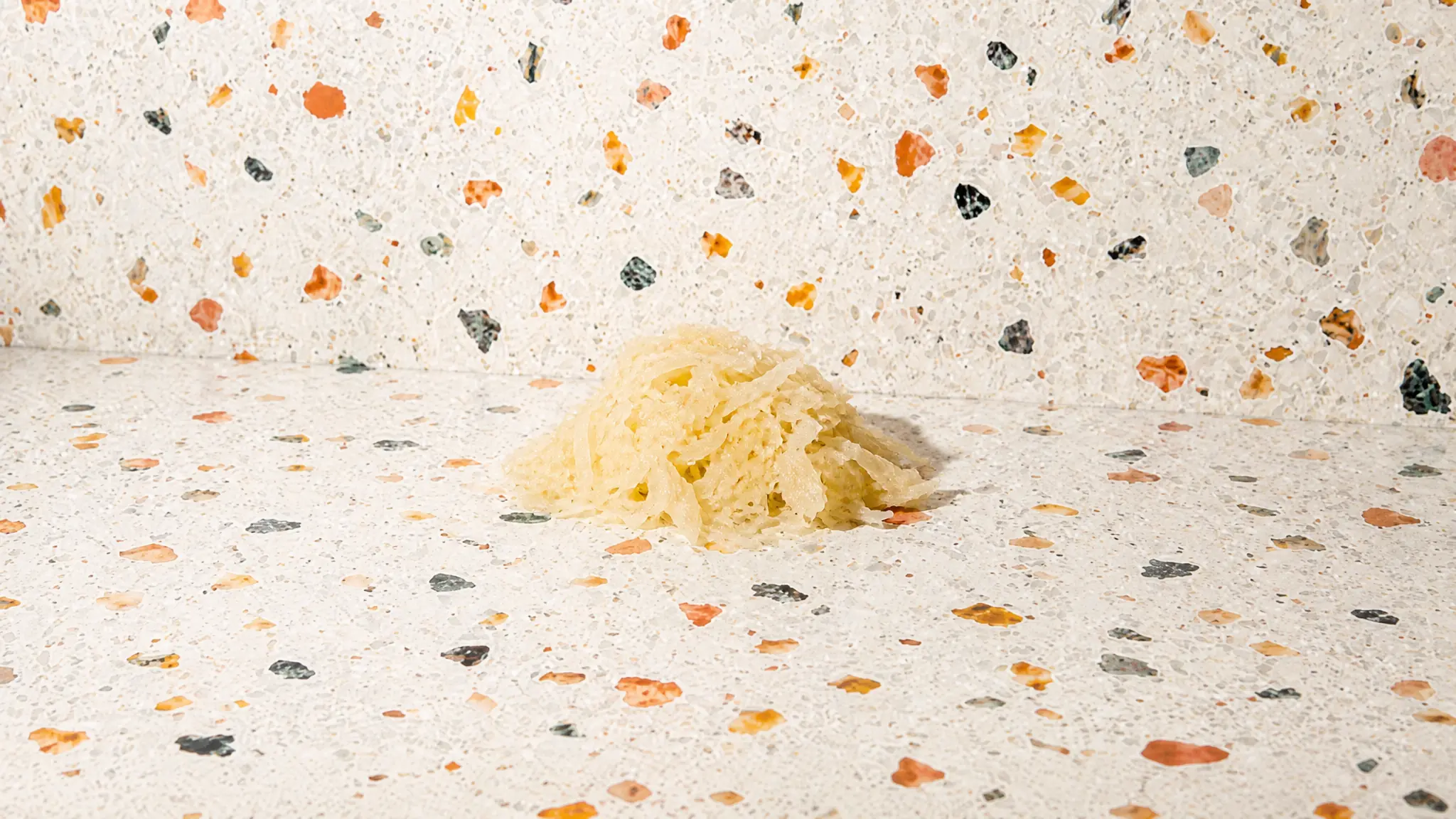
Sauerkraut
Vegetable
Last updated July 5, 2026. The Tummi Food Team maintains this Can I Feed This safety guide guide. Supporting links appear in Sources when available.



Clinically reviewed by Andria Procopio and Arefa Mohamed
Direct answer
Can babies eat Sauerkraut?
Yes, babies can eat small amounts of sauerkraut around 6 months when solids are introduced, due to its probiotic content and sour flavor.
- Serve Age6+months
Most babies start solids around 6 months once they show readiness signs. Match the texture and serving size to your baby's skills.
- No Allergens
Sauerkraut is not flagged as one of the major allergens tracked in this database. Still watch your baby closely when serving any new food.
- Choking Risk123452
Lower choking risk when served in the right texture. Always supervise meals and adjust the shape for your baby.
This guide is for everyday food prep questions. Ask your pediatrician about medical concerns, feeding delays, allergy plans, or serious reactions.
How Do You Serve Sauerkraut?
How to serve Sauerkraut to a 12-month-old baby
- 1Rinse sauerkraut thoroughly under cold running water to remove excess salt, then drain well.
- 2Finely chop or lightly mash the sauerkraut to reduce fibrous texture; mix 1 part sauerkraut with 3–4 parts applesauce, fruit purees, or cooked soft grains to mellow the sour flavor and make swallowing easier.
- 3Offer a tiny taste (about a teaspoon) at first and wait 3–5 days before introducing other new foods to watch for any reaction.
- 4Choose refrigerated, naturally fermented sauerkraut without added sugar or preservatives when possible, as choose refrigerated varieties are more likely to contain live probiotics; note that pasteurized or shelf-stable versions may have fewer live cultures.
How to serve Sauerkraut to a 24-month-old baby
- 1Serve small, soft, bite-sized pieces that your child can chew safely; cut into strips or thin slices to reduce choking risk.
- 2Try sauerkraut plain or mixed into grains, folded into scrambled eggs, or combined with diced apple, shredded carrot, or thinly sliced peppers for extra flavor and texture.
- 3Start with a very small portion—about 1 teaspoon. 1 tablespoon is a reasonable maximum per serving while you assess taste and tolerance.
- 4Choose refrigerated, live-culture (fermented) brands for probiotic benefit, optionally rinse or drain to reduce salt, and introduce only one new variety at a time while watching for any reaction.
Is Sauerkraut a Common Allergen?
Sauerkraut is typically just fermented cabbage (cabbage + salt) and is not a common source of major allergens like milk, eggs, soy, peanuts, tree nuts, shellfish or wheat/gluten—still, always check labels for added ingredients (spices, mustard) or manufacturing cross-contact. Some commercial products may contain sulfites or be processed in facilities that handle allergens. Fermented foods are high in histamine, which can cause allergy-like symptoms in histamine-sensitive people (this is not a classic IgE food allergy). Also note sauerkraut is often high in sodium, so offer cautiously for infants or children on sodium-restricted diets.
Is Sauerkraut a Choking Hazard?
Low Choking Risk
Sauerkraut is not a common choking hazard, but its fibrous, compacted texture can be harder for inexperienced chewers and could increase risk if pieces are swallowed whole. Stay within arm’s reach during meals and watch for signs of choking or prolonged coughing so you can act quickly. If your baby shows persistent distress or cannot breathe, call emergency services immediately.
Have More Questions?
Yes, you can store small amounts of opened baby sauerkraut in the refrigerator for up to a week. Keep it in an airtight container to maintain freshness and prevent bacterial growth.
Yes, you can freeze small portions of baby sauerkraut for up to 2-3 months. Use an ice cube tray or small container to portion it out for easy future servings.
It depends. Organic sauerkraut is typically grown without synthetic pesticides and fertilizers, making it a preferable choice, but conventional sauerkraut is also safe for babies if nutrient content is comparable.
Yes, you can combine small amounts of sauerkraut with other purees or foods to introduce new flavors and textures to your baby. Just ensure the textures are appropriate for their developmental stage.
It depends. Portion sizes for babies depend on their age and appetite, but generally start with a teaspoon and gradually increase as tolerated, ensuring they are not overwhelmed with the sour flavor.
Save Sauerkraut to your food log
Track foods, reactions, and prep notes in Tummi when you want to keep your baby's feeding history in one place.
Sources
- Starting Solid Foods - HealthyChildren.org (American Academy of Pediatrics) healthychildren.org
- When, What, and How to Introduce Solid Foods - CDC cdc.gov
- Salt in your diet - NHS (guidance on salt for babies) nhs.uk
- Probiotics and prebiotics: What you should know - Mayo Clinic (fermented foods and probiotics) mayoclinic.org
- Anaphylaxis to cabbage: detection of allergens - Ann Allergy (1987) pubmed.ncbi.nlm.nih.gov
- Sauerkraut — etymology and meaning - Etymonline etymonline.com
What Other Vegetable Can Babies Eat?
See all →

Source-Linked Guidance
See the evidence behind the guide.
Food guides show direct links to public-health guidance and research when supporting references are available. Source inclusion does not imply endorsement.
 Centers for Disease Control and Prevention
Developmental milestones, nutrition guidelines, and allergen introduction timelines.
 American Academy of Pediatrics
Evidence-based feeding recommendations from the leading pediatric authority.
 National Institutes of Health
Peer-reviewed research on infant nutrition, allergies, and food safety.