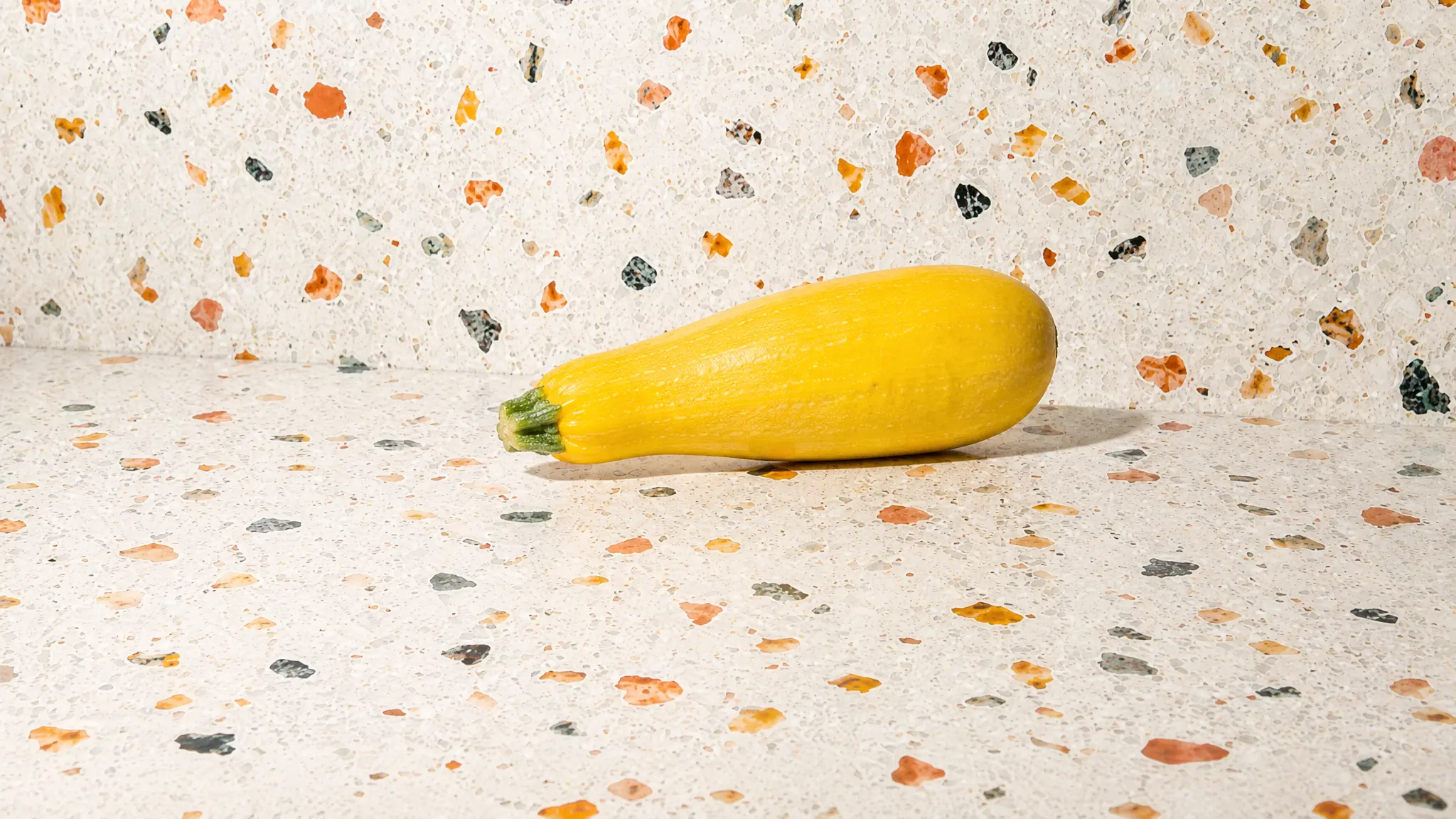
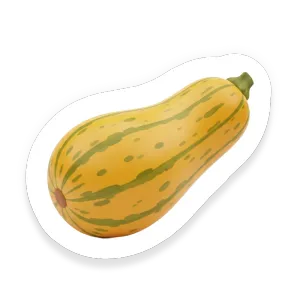
Summer Squash
Vegetable
Last updated July 5, 2026. The Tummi Food Team maintains this Can I Feed This safety guide guide. Supporting links appear in Sources when available.



Clinically reviewed by Andria Procopio and Arefa Mohamed
Direct answer
Can babies eat Summer Squash?
Yes, babies can eat cooked and pureed summer squash beginning around 6 months of age, once they are ready to start solids.
- Serve Age6+months
Most babies start solids around 6 months once they show readiness signs. Match the texture and serving size to your baby's skills.
- No Allergens
Summer Squash is not flagged as one of the major allergens tracked in this database. Still watch your baby closely when serving any new food.
- Choking Risk123453
Some choking risk. Use the prep section to change the size, shape, or texture before serving.
This guide is for everyday food prep questions. Ask your pediatrician about medical concerns, feeding delays, allergy plans, or serious reactions.
How Do You Serve Summer Squash?
How to serve Summer Squash to babies 6 months and older
- 1Cook summer squash until very tender so pieces are soft and easy to mash—steam, boil, or bake for about 8–15 minutes depending on size.
- 2Serve as short spears or halved pieces that a baby can grasp; cut to a holding length and ensure all edges are soft.
- 3If pieces are slippery, add texture by rolling them in finely ground nuts, seeds, or shredded coconut, or mix shredded squash into patties, egg strips, or pancakes.
- 4Keep the skin and seeds—they soften with cooking and add nutrients—but check for any firm bits and remove them.
- 5Always supervise feeding and adjust size and texture to your baby’s chewing ability; cut or mash further if needed.
How to serve Summer Squash to babies 9 months and older
- 1Cook the squash until it is very soft, then cut into small, bite-sized pieces roughly the size of the tip of an adult finger for safer chewing.
- 2Shred or lightly mash the squash to reduce choking risk and make it easier for little mouths to manage.
- 3Offer long 'zoodles' or thin strips for self-feeding practice and provide several pieces so your child can learn portioning and self-regulation.
- 4Always supervise while your child eats and watch how they chew. Cut pieces to match their ability and make sure the squash is very soft before serving.
How to serve Summer Squash to babies 18 months and older
- 1Slice thin rounds or half-moons (about 1/8–1/4 inch) or cut into matchsticks so pieces are easy to bite and chew.
- 2Check texture before serving — soft but not mushy is ideal — and always supervise while your child is eating.
- 3Offer recognizable pieces (raw, steamed, or roasted) rather than only hiding squash in dishes; drizzle with olive oil and a squeeze of citrus or sprinkle mild herbs to boost flavor.
- 4Encourage self-feeding and gradual utensil use by letting your child pick up pieces or try a fork, guiding hand-over-hand when needed while you stay close.
- 5Cut just before serving to preserve texture, and remove any large seeds or tough skin pieces that could pose a choking risk.
Is Summer Squash a Common Allergen?
Summer squash (e.g., zucchini) is not a common food allergen, but rare allergic reactions have been reported. Children with ragweed or birch pollen allergies can get oral allergy (mouth/throat itching) from raw summer squash—cooking often reduces this risk. If your child has a history of pollen allergies or develops hives, swelling, breathing trouble, vomiting, or other allergy symptoms after eating squash, stop feeding it and seek medical care and allergist evaluation.
Is Summer Squash a Choking Hazard?
Moderate Choking Risk
Summer squash is generally not a common choking hazard—its cooked flesh and soft seeds are usually easy for babies to manage. Large raw chunks, however, can be slippery and tougher to chew, and the skin may sometimes trigger gagging even though it’s not typically a true choking risk. As with any food, stay close and watch your baby during meals because any food can pose a choking risk.
Have More Questions?
Yes. Summer squash can be stored in the refrigerator, wrapped loosely in plastic or stored in a breathable bag, for up to a week.
Yes. Summer squash purees can be frozen in airtight containers or freezer bags for up to 3 months, making bulk preparation easy.
Yes. Choosing organic summer squash can reduce exposure to pesticides, but conventionally grown squash is also safe if washed thoroughly.
Yes. Combining summer squash with other veggies or proteins can introduce your baby to a variety of flavors and textures, aiding in diverse palate development.
Yes. Typical portion sizes for babies start with a few teaspoons of pureed squash, gradually increasing as they get older and more accustomed to solids.
Save Summer Squash to your food log
Track foods, reactions, and prep notes in Tummi when you want to keep your baby's feeding history in one place.
Sources
- Carotenoids. Linus Pauling Institute lpi.oregonstate.edu
- Lee HS et al. Dietary Intake of Phytonutrients in Relation to Fruit and Vegetable Consumption in Korea (J Acad Nutr Diet, 2013) doi.org
- Fill up on phytochemicals. Harvard Health (Feb 2019) health.harvard.edu
- Allergy caused by ingestion of zucchini (Reindl et al., 2000). Journal of Allergy and Clinical Immunology pubmed.ncbi.nlm.nih.gov
- Oral Allergy Syndrome (OAS). American Academy of Allergy, Asthma & Immunology aaaai.org
- Food allergy. Mayo Clinic mayoclinic.org
What Other Vegetable Can Babies Eat?
See all →
Source-Linked Guidance
See the evidence behind the guide.
Food guides show direct links to public-health guidance and research when supporting references are available. Source inclusion does not imply endorsement.
 Centers for Disease Control and Prevention
Developmental milestones, nutrition guidelines, and allergen introduction timelines.
 American Academy of Pediatrics
Evidence-based feeding recommendations from the leading pediatric authority.
 National Institutes of Health
Peer-reviewed research on infant nutrition, allergies, and food safety.