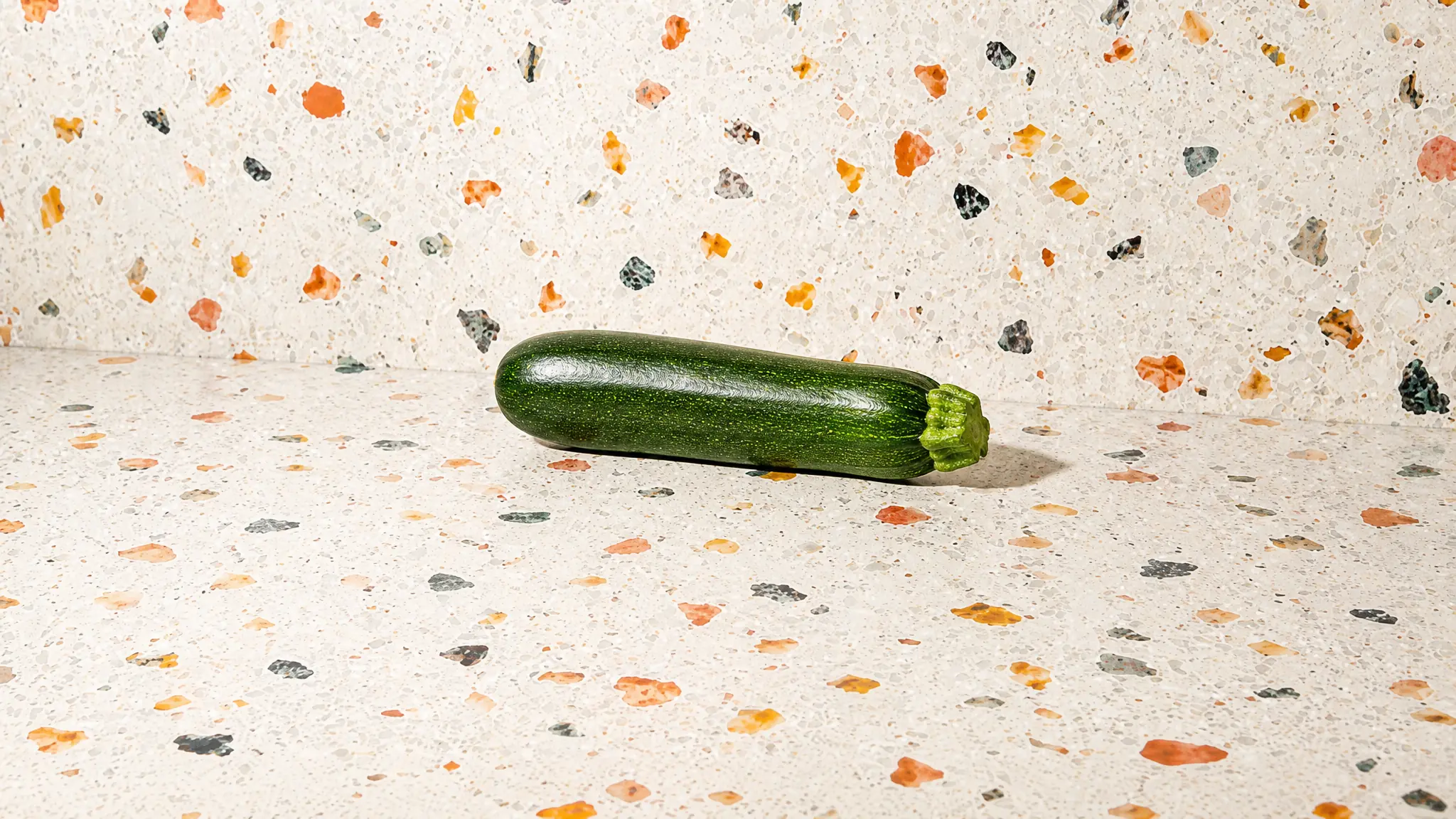
Zucchini
Vegetable
Last updated July 5, 2026. The Tummi Food Team maintains this Can I Feed This safety guide guide. Supporting links appear in Sources when available.



Clinically reviewed by Andria Procopio and Arefa Mohamed
Direct answer
Can babies eat Zucchini?
Yes, babies can eat zucchini as early as 6 months old when it is cooked until soft and pureed.
- Serve Age6+months
Most babies start solids around 6 months once they show readiness signs. Match the texture and serving size to your baby's skills.
- No Allergens
Zucchini is not flagged as one of the major allergens tracked in this database. Still watch your baby closely when serving any new food.
- Choking Risk123453
Some choking risk. Use the prep section to change the size, shape, or texture before serving.
This guide is for everyday food prep questions. Ask your pediatrician about medical concerns, feeding delays, allergy plans, or serious reactions.
How Do You Serve Zucchini?
How to serve Zucchini to babies 6 months and older
- 1Cook zucchini until very soft so it easily mashes with gentle pressure; cut into spears or sticks about the width of two adult fingers pressed together for an easy-to-hold shape.
- 2Leave the skin on to help pieces hold together, or peel if you prefer; trim ends so each piece has a flat, grab-friendly surface.
- 3For raw options, shred zucchini and mix into grains, scrambled eggs, or yogurt, or serve shredded in a small bowl for scooping.
- 4Offer very soft, well-cooked zucchini noodles only if easy to pick up; toss with a little sauce or oil so strands clump for easier handling.
How to serve Zucchini to babies 9 months and older
- 1Cut cooked zucchini into small, soft bite-sized pieces (about 1–1.5 cm) so babies can pick them up and gum them safely.
- 2Leave some pieces as thicker spears for hand-held practice — practice self-feeding by offering spears that are soft enough to squash between fingers but long enough to hold.
- 3For zucchini noodles, cook until very tender and easily mashed between thumb and forefinger before serving.
- 4Always check temperature, remove any stringy bits or seeds, supervise each bite, and refrigerate leftovers within 2 hours for use within 48 hours.
How to serve Zucchini to babies 18 months and older
- 1Slice into thin rounds, sticks, or ribbons and offer raw only if the child can chew well.
- 2Steam or boil 3–5 minutes, sauté 4–6 minutes, or roast 15–20 minutes until tender to make zucchini soft and easy to mash.
- 3Serve with mild dips or fold into fritters, pancakes, casseroles, omelettes, or grain bowls for a quick veggie boost.
- 4Remove large seeds and let cooked zucchini cool before serving. Cut into small, manageable pieces and avoid raw zucchini if the child has difficulty chewing.
Is Zucchini a Common Allergen?
Zucchini is not a common allergen and is usually safe for babies when cooked and introduced per pediatric guidance. Rarely, people with ragweed or pollen allergies can get oral allergy syndrome from raw or lightly cooked zucchini (mouth/throat itching); cooking usually reduces this. True systemic allergic reactions are uncommon but have been reported, so watch for hives, vomiting, swelling, or breathing trouble after first exposures. Introduce zucchini alone in small amounts and contact your pediatrician if you notice concerning symptoms.
Is Zucchini a Choking Hazard?
Moderate Choking Risk
Raw or undercooked zucchini can be firm and difficult for young infants to chew, so it can pose a choking risk. Keep baby seated upright and stay within arm’s reach during meals so you can intervene quickly if needed. Know the signs of choking (silent airway block, inability to cry or cough) and have basic infant first-aid guidance or emergency numbers readily available.
Have More Questions?
Yes. Zucchini can be stored in the refrigerator for up to 1 week when kept in a plastic bag or container. For longer storage, consider freezing cooked or pureed zucchini.
It depends. Freezing pureed zucchini is a convenient way to prepare ahead, but avoid freezing raw zucchini slices as they can become mushy upon thawing, which might not be suitable for babies.
Yes. Choosing organic zucchini can reduce pesticide exposure; however, conventional zucchini is also safe for babies when thoroughly washed and prepared.
It depends. Combining zucchini with other vegetables or fruits can introduce a variety of flavors and nutrients, but always introduce new combinations gradually to monitor for adverse reactions.
Most babies start with small portions, such as 1-2 tablespoons of cooked or pureed zucchini, and gradually increase as their appetite and tolerance develop.
Save Zucchini to your food log
Track foods, reactions, and prep notes in Tummi when you want to keep your baby's feeding history in one place.
Sources
- The Challenge of Meeting Nutrient Needs of Infants and Young Children during the Period of Complementary Feeding: An Evolutionary Perspective (Dewey, 2013) pmc.ncbi.nlm.nih.gov
- Allergy caused by ingestion of zucchini (Cucurbita pepo): Characterization of allergens and cross-reactivity to pollen and other foods (Reindl et al., 2000) pubmed.ncbi.nlm.nih.gov
- Oral Allergy Syndrome (OAS) Defined — American Academy of Allergy, Asthma & Immunology aaaai.org
- Food allergy — Mayo Clinic mayoclinic.org
What Other Vegetable Can Babies Eat?
See all →


Source-Linked Guidance
See the evidence behind the guide.
Food guides show direct links to public-health guidance and research when supporting references are available. Source inclusion does not imply endorsement.
 Centers for Disease Control and Prevention
Developmental milestones, nutrition guidelines, and allergen introduction timelines.
 American Academy of Pediatrics
Evidence-based feeding recommendations from the leading pediatric authority.
 National Institutes of Health
Peer-reviewed research on infant nutrition, allergies, and food safety.