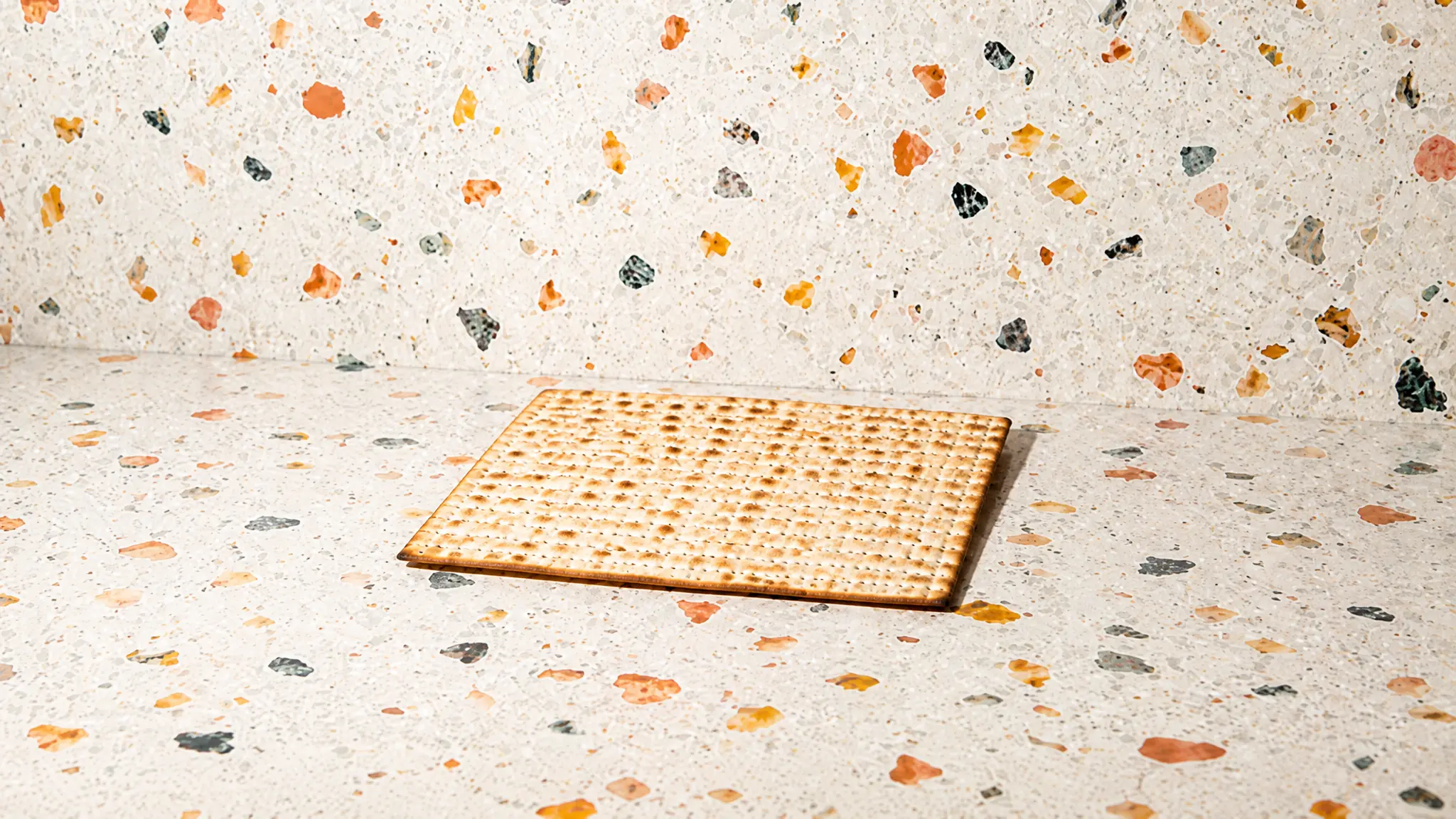
Matzah
Grain
Last updated July 5, 2026. The Tummi Food Team maintains this Can I Feed This safety guide guide. Supporting links appear in Sources when available.



Clinically reviewed by Andria Procopio and Arefa Mohamed
Direct answer
Can babies eat Matzah?
Yes, babies can eat modified, softened matzah around 6 months of age to reduce choking risk.
- Serve Age6+months
Most babies start solids around 6 months once they show readiness signs. Match the texture and serving size to your baby's skills.
- Allergens
Matzah is flagged for wheat or gluten. Introduce common allergens in a baby-safe form and follow your clinician's advice if your baby is higher risk.
- Choking Risk123453
Some choking risk. Use the prep section to change the size, shape, or texture before serving.
This guide is for everyday food prep questions. Ask your pediatrician about medical concerns, feeding delays, allergy plans, or serious reactions.
How Do You Serve Matzah?
How to serve Matzah to babies 6 months and older
- 1Soak a piece of matzah in water or unsweetened applesauce until it becomes soft and flexible; test by gently squashing it between thumb and forefinger to ensure it’s easy to mash.
- 2Cut the softened matzah into strips about the width of two adult fingers pressed together, or form a large, soft matzah ball or thick matzah-brei strips of the same size for easier self-feeding.
- 3Lightly coat slippery foods (for example, avocado) with finely ground matzah meal to give the baby something grippable and reduce slipping.
- 4Never give unmodified crispy matzah—avoid hard, dry pieces because they can choke; always serve only well‑softened, moist pieces and supervise the baby while eating.
How to serve Matzah to babies 9 months and older
- 1Soften matzah thoroughly: soak small pieces, matzah brei, or softened matzah crackers in warm water or applesauce until completely soft and easily mashable with a fingertip. Squeeze out excess liquid before serving.
- 2Serve tiny pieces—about pea-sized—so the child can manage one piece at a time.
- 3Make matzah balls very soft and slightly crumbly so they can be mashed against the palate; avoid dense or firm balls.
- 4Keep the child seated and supervised during all bites, and remove any hard or unmodified matzah edges before serving.
- 5Use only baby-safe liquids (water, applesauce, breastmilk, or formula) for softening and avoid very sticky or thick pastes that could increase choking risk.
How to serve Matzah to babies 24 months and older
- 1Offer a whole piece of matzah only after the child reliably chews well, avoids overstuffing, and can handle firmer foods without coughing.
- 2Always seat the child and supervise every bite; no walking or distracting activities while eating.
- 3Reduce choking risk by serving small, bite-sized pieces or softening matzah — soak briefly in warm liquid or make matzah brei.
- 4Safe alternatives include dishes made with matzah meal (e.g., puddings or soft pancakes) or well-soaked, mashed matzah.
- 5Start with one small piece, watch closely for chewing and swallowing, and remove the food at the first sign of difficulty.
Is Matzah a Common Allergen?
Matzah is traditionally made from wheat (flour and water) and therefore contains gluten, so it is not safe for children with celiac disease or a wheat/gluten allergy. Some communities use egg matzah (contains egg) and manufacturers produce gluten‑free matzah alternatives (potato/tapioca/oat-based), but ingredients and kosher/Passover status vary—always read labels and confirm suitability. Also be mindful of cross‑contamination during Passover preparations; when in doubt choose verified gluten‑free products.
Is Matzah a Choking Hazard?
Moderate Choking Risk
Yes — matzah is a significant choking hazard for infants and toddlers because its thin, crispy texture and sharp edges can break into hard, angular pieces that easily lodge in the throat. Parents should watch for signs of choking such as persistent gagging, noisy or labored breathing, inability to cough or make sounds, or color changes, and be prepared to act quickly. Only offer matzah when a child demonstrates mature chewing and swallowing skills, and keep the child within arm’s reach during meals.
Have More Questions?
Yes. Matzah can be introduced as soon as your baby is ready for solids, generally around 6 months, provided it has been modified to reduce choking risk and is served in an age-appropriate way.
Yes. Matzah offers carbohydrates, some protein, and nutrients like folate and zinc, supporting energy, growth, and development in babies.
Yes. Matzah is usually made from wheat or gluten-containing grains and may include eggs. Always introduce and rule out potential allergens before offering it to your baby.
Yes. Matzah can pose a choking risk for babies due to its cracker-like texture and sharp edges. Serve in an appropriate size and supervise during eating.
No utensils are necessary; serve small pieces of matzah on your baby's tray for exploration. Utensils are not expected to be used until early toddlerhood.
Save Matzah to your food log
Track foods, reactions, and prep notes in Tummi when you want to keep your baby's feeding history in one place.
Sources
- Matzo | Britannica britannica.com
- Foods to avoid giving babies (includes choking hazards) | NHS nhs.uk
- Choking Prevention (young children) | HealthyChildren.org (American Academy of Pediatrics) healthychildren.org
- Food Allergies in Children | HealthyChildren.org (American Academy of Pediatrics) healthychildren.org
- What is Matzah? | Chabad.org chabad.org
What Other Grain Can Babies Eat?
See all →
Source-Linked Guidance
See the evidence behind the guide.
Food guides show direct links to public-health guidance and research when supporting references are available. Source inclusion does not imply endorsement.
 Centers for Disease Control and Prevention
Developmental milestones, nutrition guidelines, and allergen introduction timelines.
 American Academy of Pediatrics
Evidence-based feeding recommendations from the leading pediatric authority.
 National Institutes of Health
Peer-reviewed research on infant nutrition, allergies, and food safety.