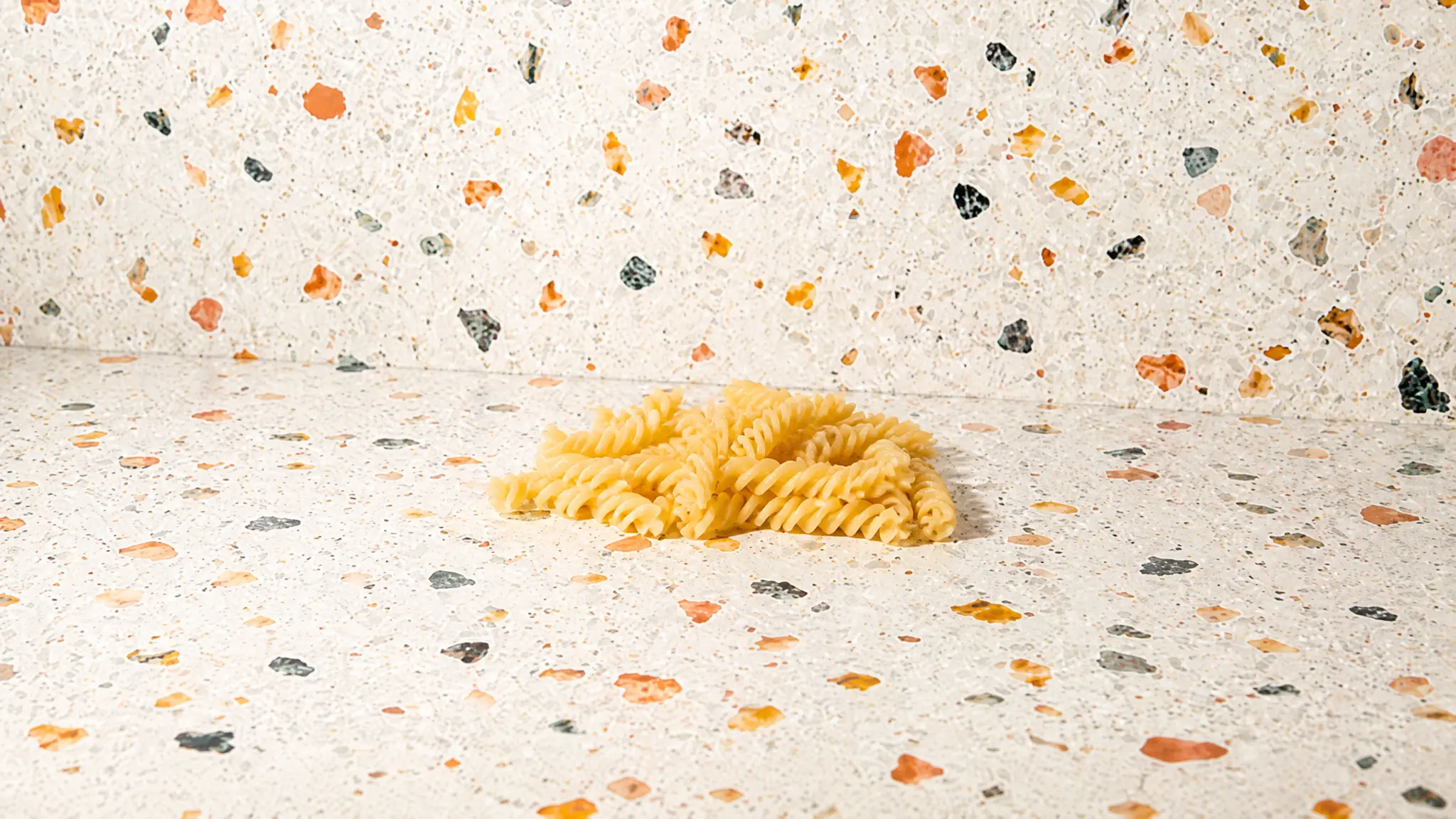
Pasta
Grain
Last updated July 5, 2026. The Tummi Food Team maintains this Can I Feed This safety guide guide. Supporting links appear in Sources when available.


Clinically reviewed by Andria Procopio and Arefa Mohamed
Direct answer
Can babies eat Pasta?
Yes, babies can eat pasta beginning around 6 months, ensuring it's cooked soft and introduced carefully if allergy risks are present.
- Serve Age6+months
Most babies start solids around 6 months once they show readiness signs. Match the texture and serving size to your baby's skills.
- Allergens
Pasta is flagged for egg and wheat or gluten. Introduce common allergens in a baby-safe form and follow your clinician's advice if your baby is higher risk.
- Choking Risk123451
Lower choking risk when served in the right texture. Always supervise meals and adjust the shape for your baby.
This guide is for everyday food prep questions. Ask your pediatrician about medical concerns, feeding delays, allergy plans, or serious reactions.
How Do You Serve Pasta?
How to serve Pasta to babies 6 months and older
- 1Serve large, flat or wide noodles (for example fettuccine or pappardelle) or whole large tubular shapes (penne, rigatoni, ziti) as they are easier for little hands to grip.
- 2For thin strands like spaghetti, cut them into short pieces in the child’s bowl before offering; use kitchen shears at the table if needed to make handling and swallowing safer.
- 3Lightly toss pasta with a thin, mild sauce or a little olive oil to reduce slipperiness and help pieces stick together for easier picking.
- 4Let the pasta cool to a warm (not hot) temperature, arrange pieces so they’re easy to grasp, and supervise closely while the child eats to reduce choking risk.
How to serve Pasta to babies 9 months and older
- 1Cook pasta until very soft so it can be mashed easily with gums; drain and cool to lukewarm before serving.
- 2Cut or break pasta into small, easy-to-grasp pieces — halve tubular shapes, quarter ravioli, or chop long noodles into 2–3 cm lengths.
- 3Offer slightly larger pieces first if your baby struggles with tiny bites so they can practice biting and chewing before moving to pea-sized pieces.
- 4Avoid hard, sticky, or slippery toppings; choose mild sauces or mashed vegetables that help pieces hold together and reduce choking risk.
- 5Always stay close and watch while your baby eats. Remove any uneaten food after the meal.
How to serve Pasta to babies 12 months and older
- 1Offer a variety of noodle shapes and textures (spaghetti, ramen, rice noodles). Cook until soft but not mushy and test doneness by pressing a strand.
- 2Trim long strands to about 1 inch (2–3 cm) or shorter so pieces are easy to pick up and reduce gag risk.
- 3Serve with a light, slightly sticky sauce or a little oil to prevent clumping, and cool to a safe temperature before offering.
- 4Provide appropriate utensils while allowing occasional hand-scooping to build self-feeding skills; always supervise during meals.
Is Pasta a Common Allergen?
Pasta contains egg and gluten allergens per the provided data. No nuts, peanuts, dairy, soy, shellfish, fish, or sesame are reported. Parents of children with egg or gluten allergies should avoid this product and always check ingredient labels and ask about cross-contamination when dining out. Consider gluten-free and egg-free pasta alternatives if needed.
Is Pasta a Choking Hazard?
Low Choking Risk
Pasta is generally low choking risk for babies when offered in a way that matches their developmental abilities, but any food can pose a choking hazard. Plain pasta can trigger gagging for some babies, so stay within an arm’s reach and closely supervise all meals. Caregivers should know the signs of choking and be prepared to deliver infant choking first aid.
Have More Questions?
Yes, pasta can be stored in an airtight container in the refrigerator for 2-3 days. For longer storage, freeze cooked pasta in a sealed container for up to 3 months.
Yes, you can freeze homemade pasta puree in small portions using ice cube trays, then transfer to a freezer bag and store for up to 3 months.
It depends. Organic pasta is made from ingredients grown without synthetic pesticides or fertilizers, but both organic and conventional pasta are safe for babies if they are free of added allergens and prepared appropriately.
Yes, you can combine pasta with various baby-safe foods like pureed vegetables, cooked meats, or beans to create balanced meals tailored to your baby's tastes and nutritional needs.
It varies. Serving sizes depend on your baby's age, appetite, and dietary needs, but generally start with small portions of 1-2 tablespoons of cooked pasta for infants and adjust as they grow.
Save Pasta to your food log
Track foods, reactions, and prep notes in Tummi when you want to keep your baby's feeding history in one place.
Sources
- Food Allergy Research & Education — Egg foodallergy.org
- Food Allergy Research & Education — Wheat foodallergyawareness.org
- United States Food & Drug Administration — Questions and Answers on FDA's Fortification Policy fda.gov
What Other Grain Can Babies Eat?
See all →
Source-Linked Guidance
See the evidence behind the guide.
Food guides show direct links to public-health guidance and research when supporting references are available. Source inclusion does not imply endorsement.
 Centers for Disease Control and Prevention
Developmental milestones, nutrition guidelines, and allergen introduction timelines.
 American Academy of Pediatrics
Evidence-based feeding recommendations from the leading pediatric authority.
 National Institutes of Health
Peer-reviewed research on infant nutrition, allergies, and food safety.