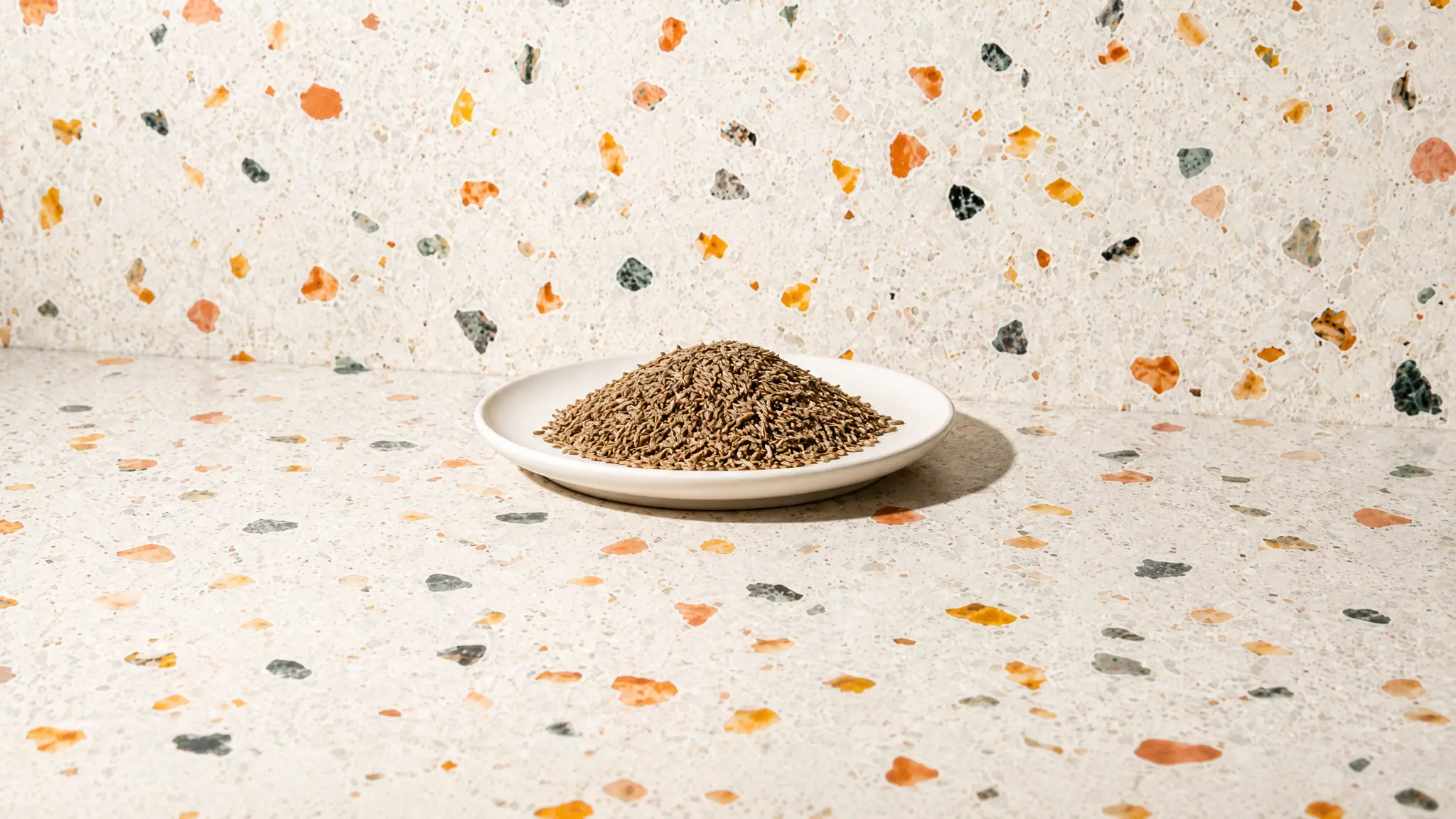
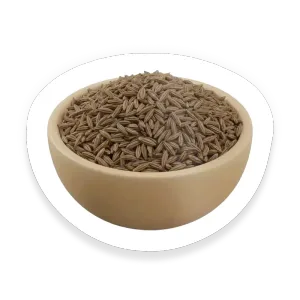
Cumin
Herb/Spice
Last updated July 5, 2026. The Tummi Food Team maintains this Can I Feed This safety guide guide. Supporting links appear in Sources when available.



Clinically reviewed by Andria Procopio and Arefa Mohamed
Direct answer
Can babies eat Cumin?
Yes, cumin can be introduced around 6 months of age when starting solids; serve in small, age-appropriate amounts.
- Serve Age6+months
Most babies start solids around 6 months once they show readiness signs. Match the texture and serving size to your baby's skills.
- No Allergens
Cumin is not flagged as one of the major allergens tracked in this database. Still watch your baby closely when serving any new food.
- Choking Risk123451
Lower choking risk when served in the right texture. Always supervise meals and adjust the shape for your baby.
This guide is for everyday food prep questions. Ask your pediatrician about medical concerns, feeding delays, allergy plans, or serious reactions.
How Do You Serve Cumin?
How to serve Cumin to babies 6 months and older
- 1Sprinkle a very small pinch of ground cumin into soft, cooked foods like mashed vegetables, purees, yogurt, or dal so the spice is blended and seeds aren’t loose in the mouth.
- 2Start with tiny amounts for the first few servings and watch closely for any sensitivity or refusal.
- 3Mix cumin into sauces, stews, or cooked dishes so the flavor is incorporated rather than separate.
- 4Avoid cumin oil and whole seeds for early feedings; prefer ground or well-cooked seeds mixed into appropriate textures to reduce gagging.
How to serve Cumin to babies 12 months and older
- 1Prefer ground cumin or lightly toasted whole seeds mixed into cooked dishes; toasting softens seeds and releases more aroma.
- 2Cook seeds in liquid (sauces, soups, or stews) or grind whole seeds before serving so they become soft and easier to eat.
- 3Introduce cumin gradually in small amounts, mixing it with familiar foods (mashed vegetables, purees, or mild curries) and increase slowly while watching for any reactions.
- 4Avoid concentrated cumin oil and do not give loose dry seeds alone. Avoid concentrated oil to reduce choking risk and irritation; instead add cumin into sauces or mixed dishes.
Is Cumin a Common Allergen?
Cumin itself is not a common allergen and is usually safe for most children. However, spices can trigger allergic reactions in sensitive people, and there have been recalls/FDA advisories for ground cumin contaminated with undeclared peanut—so parents of children with peanut (or other serious) allergies should check labels, avoid unlabeled or bulk cumin, and be cautious with spice blends. If your child has a known food allergy, consult their allergist and choose certified allergen‑free products.
Is Cumin a Choking Hazard?
Very Low Choking Risk
Cumin poses a low choking risk for babies overall, but remember that any food can cause choking. Loose, dry whole cumin seeds may scatter in the mouth and trigger gagging or coughing, so take extra care when they’re present. Always supervise baby at meals within arm’s reach and be prepared to respond with basic choking first aid.
Have More Questions?
It depends. Cumin can be safely introduced around 6 months, but avoid offering cumin oil to prevent gastric upset, as its safety in oil form is not well studied.
It depends. Cumin is safe in small amounts used in cooking, but large quantities or concentrated forms like oil should be avoided, especially for young babies.
It depends. Introduce cumin in small amounts to monitor for any adverse reactions, and consult with your pediatrician if you have concerns about allergies.
It depends. Whole cumin seeds or ground cumin can be served in a dish, but avoid serving cumin oil or very spicy preparations to young babies.
It depends. Cumin is generally safe in culinary amounts, but always watch for allergic reactions when introducing new spices.
Save Cumin to your food log
Track foods, reactions, and prep notes in Tummi when you want to keep your baby's feeding history in one place.
Sources
- Cumin - Drugs and Lactation Database (LactMed) ncbi.nlm.nih.gov
- Enhancement of digestive enzymatic activity by cumin (Food Chemistry, 2008) sciencedirect.com
- Cumin anaphylaxis: a case report (J Allergy Clin Immunol, 1997) pubmed.ncbi.nlm.nih.gov
- Can Spices Cause Allergic Reactions? (AAAAI) aaaai.org
What Other Herb/Spice Can Babies Eat?
See all →


Source-Linked Guidance
See the evidence behind the guide.
Food guides show direct links to public-health guidance and research when supporting references are available. Source inclusion does not imply endorsement.
 Centers for Disease Control and Prevention
Developmental milestones, nutrition guidelines, and allergen introduction timelines.
 American Academy of Pediatrics
Evidence-based feeding recommendations from the leading pediatric authority.
 National Institutes of Health
Peer-reviewed research on infant nutrition, allergies, and food safety.